

Everyone in 1798 believed heat was a finite liquid. Scientists called it caloric, picturing it pooling inside metal like water in a sponge. In 1798 at the Munich Arsenal, Thompson used a deliberately blunt borer to drill a brass cannon for over two hours. He just wanted to watch the hidden fluid leak out, but the numbers told a completely different story.
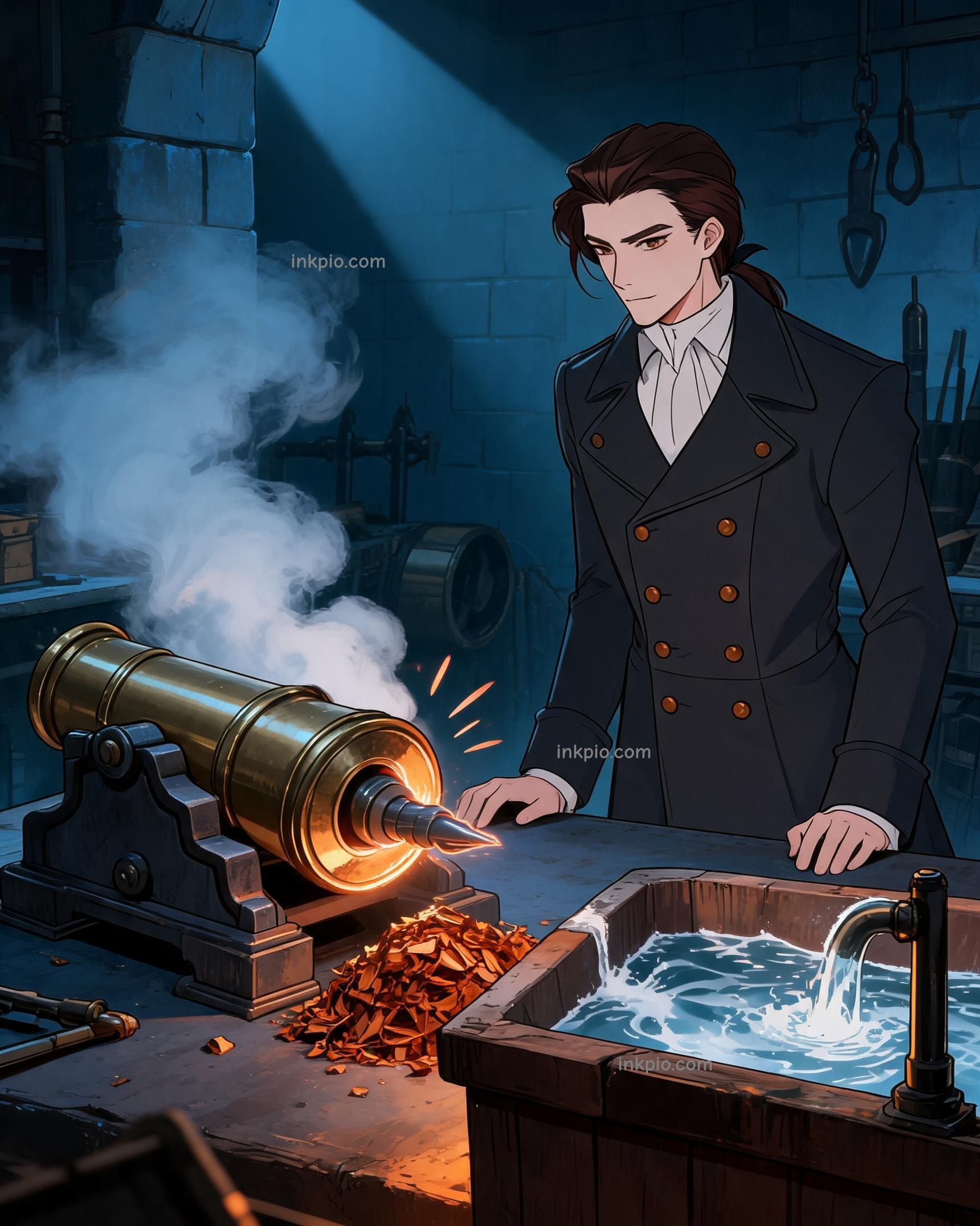
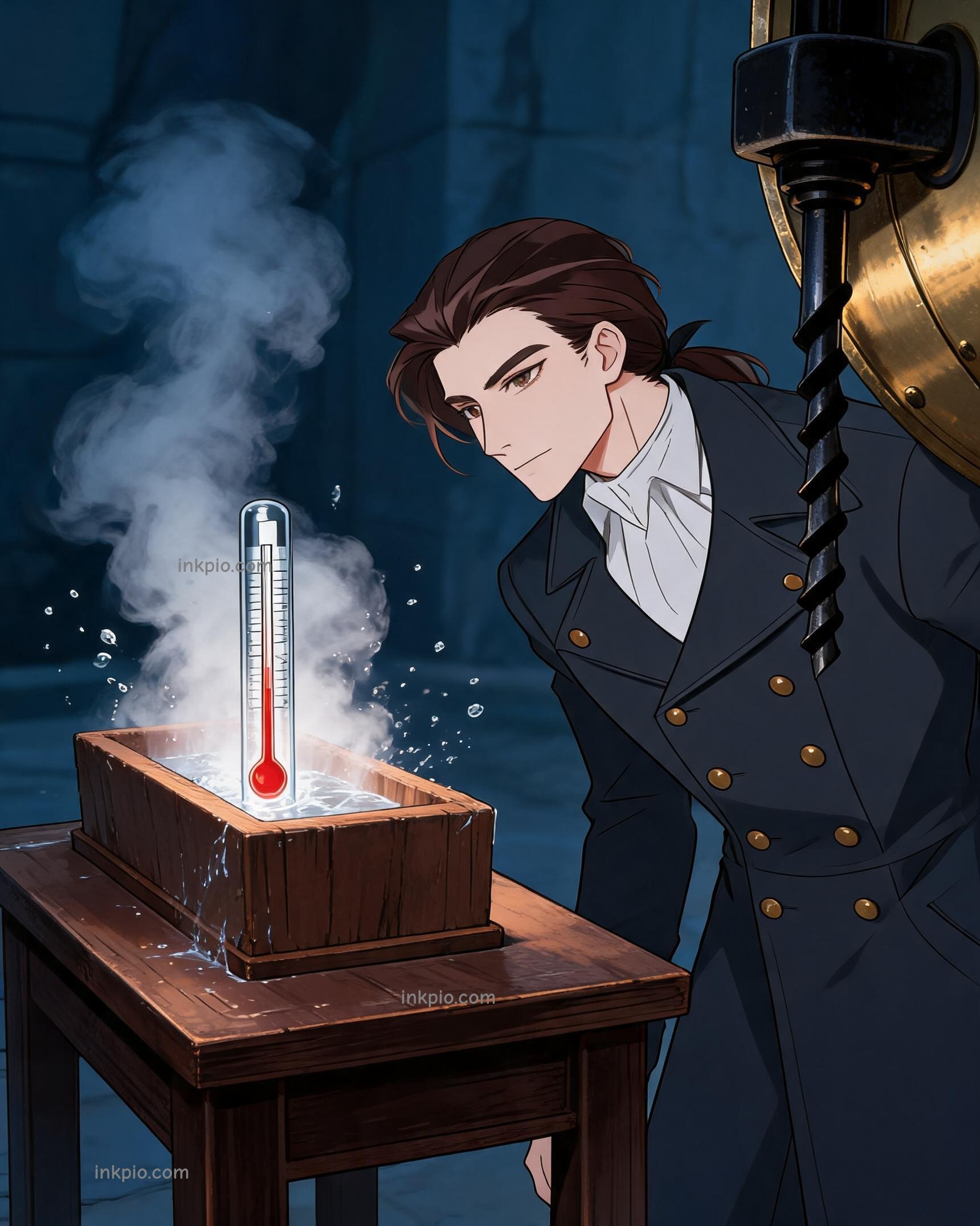
He built a simple setup to catch the escaping heat by placing the heavy cannon block in a wooden trough of cold water. Letting horses turn a heavy crank fed steady motion into the system, while the dull iron grinding against the brass created constant rubbing instead of sharp cuts. Watching the mercury told the whole story. If caloric was real, the metal would empty out and cool. If motion created heat, the water would keep bubbling.
The horses kept turning, and the dull metal scraped against the brass wall. The friction alone boiled 26 pounds of water continuously, with no measurable loss of metal mass or caloric fluid. Thompson stood by the rough workbench and watched the relentless steam pour out. He drained the boiling water, poured in fresh cold liquid, and let the grinding continue. The mercury column kept climbing past the boiling mark while the brass block weighed exactly the same.
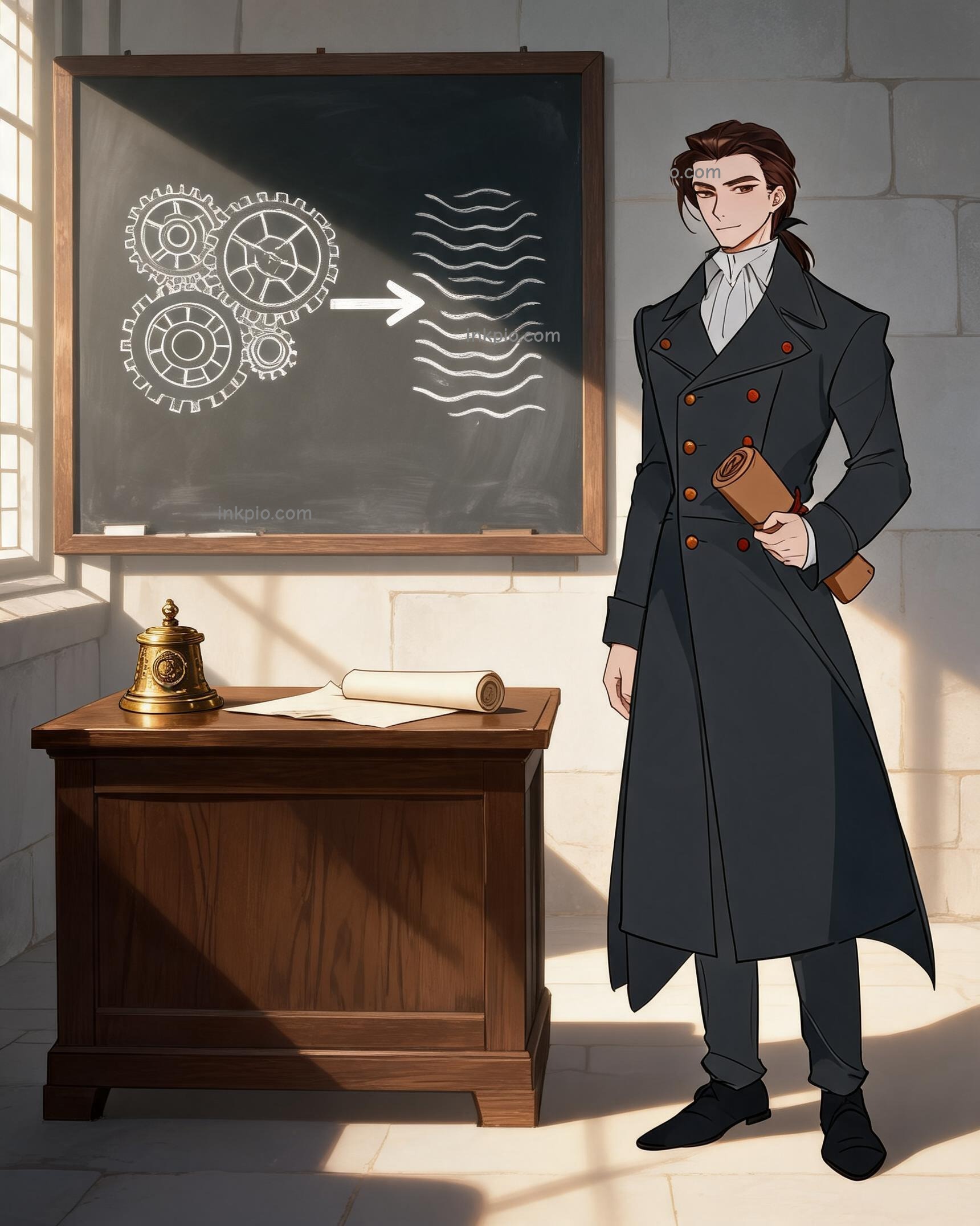
He packed the measurements into a report and sent it straight to London. The heat produced by friction is inexhaustible, he wrote. You do not drain a trapped fluid. You just keep moving things. The old theory cracked while engineers started building steam engines that actually worked. Thompson wiped the workshop grease from his hands, left the spinning drill behind, and knew the rules of energy had changed forever.