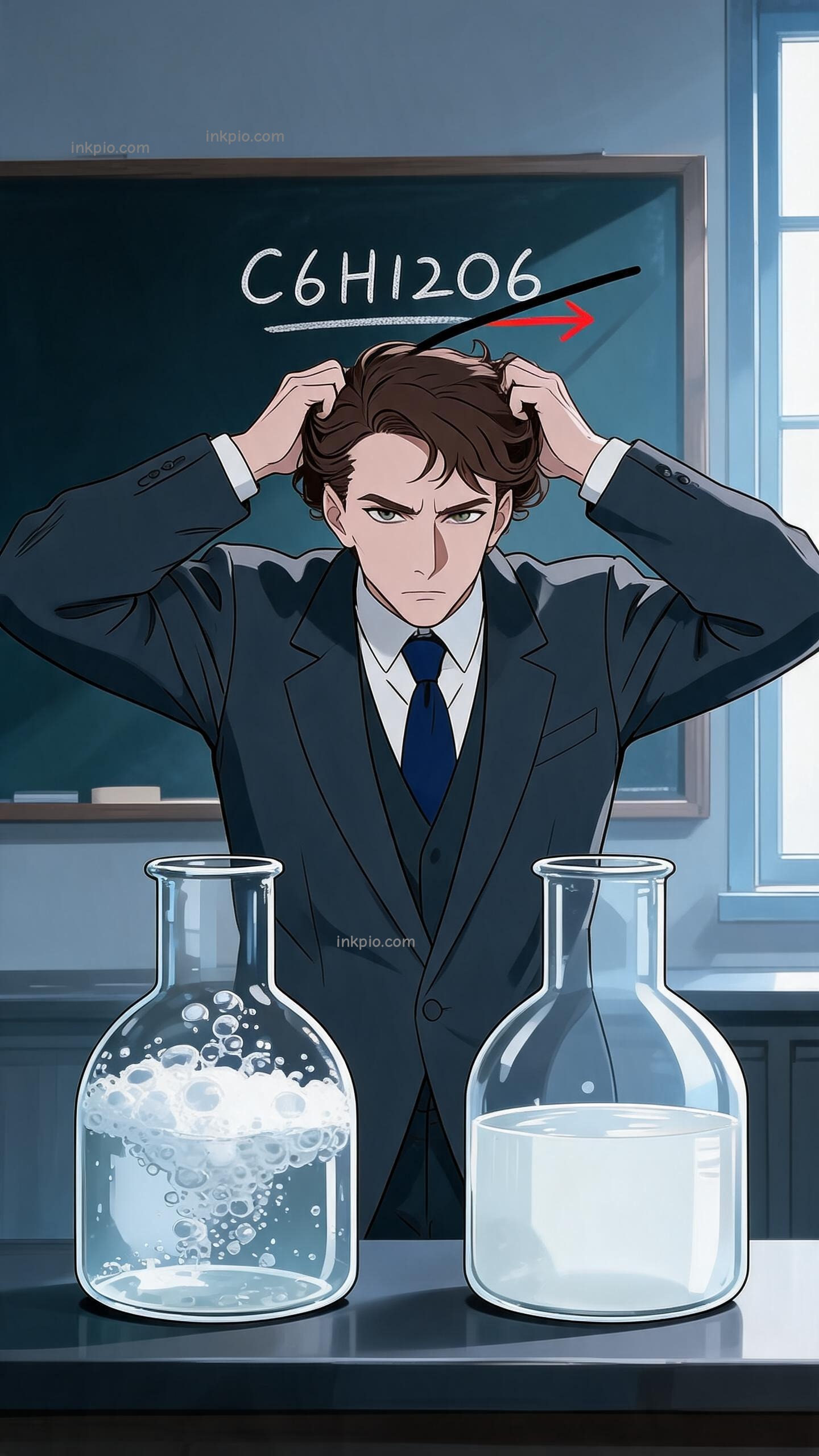
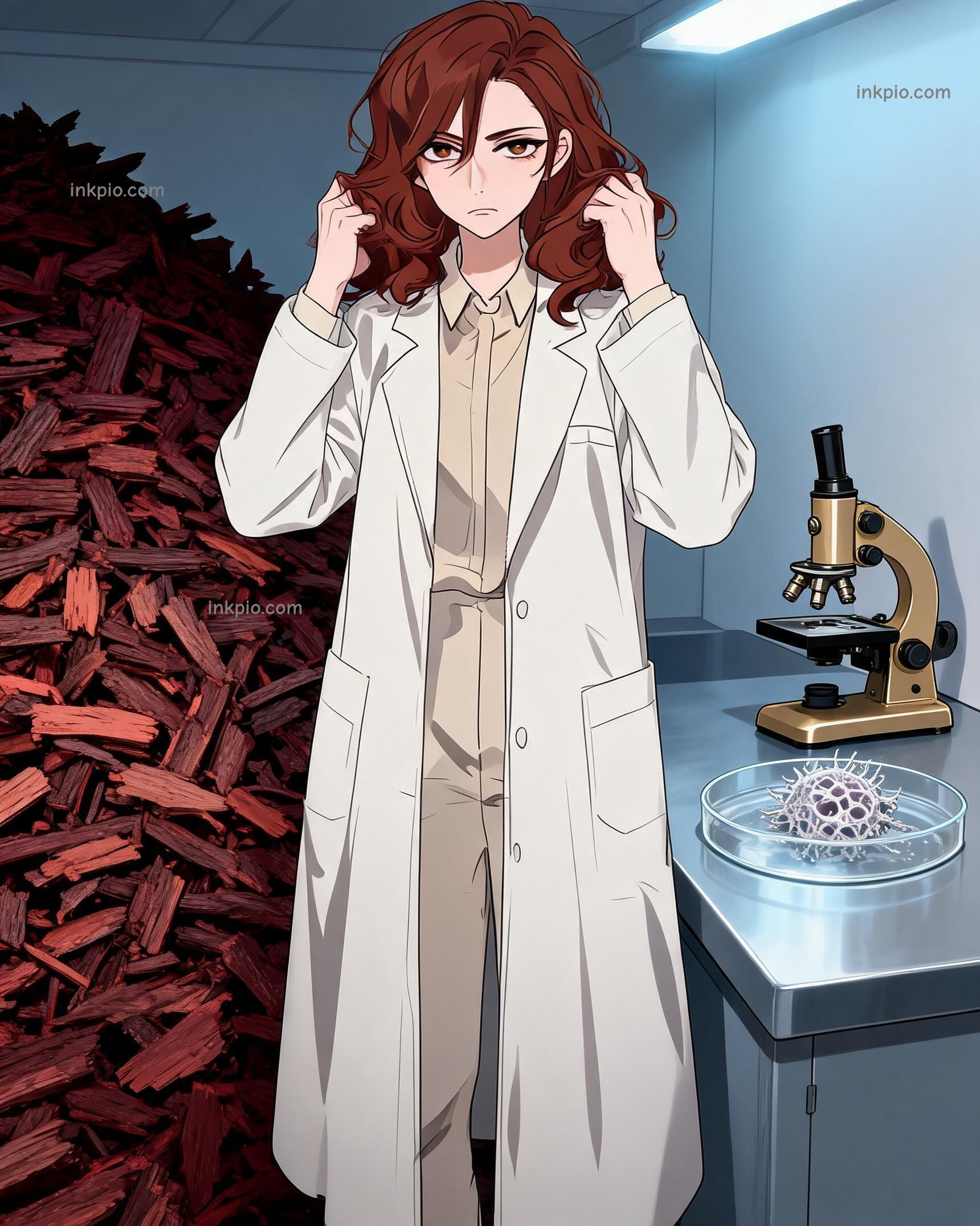
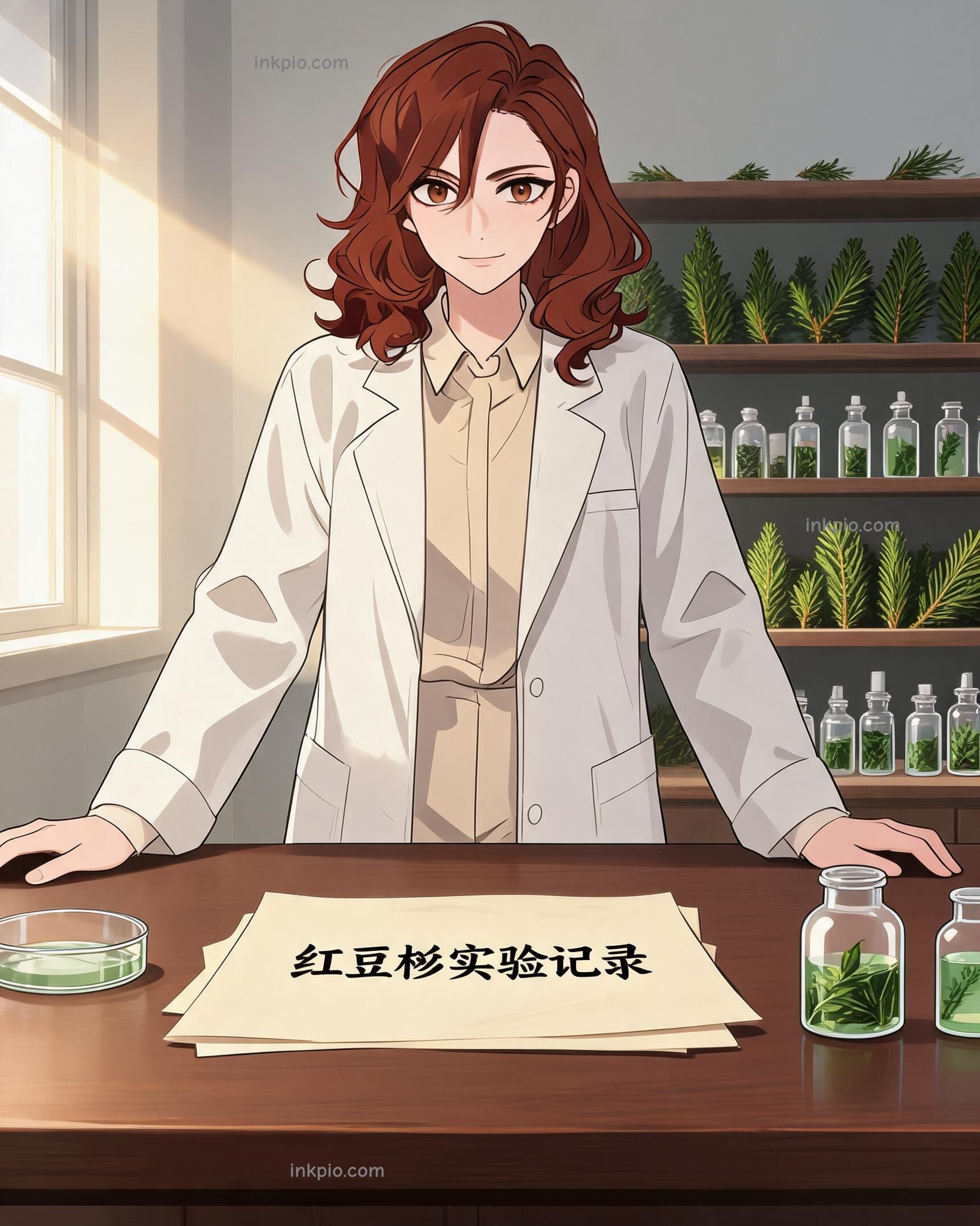

The corner of Susan Band Horwitz’s lab smelled of damp earth and desperation. A massive pile of shredded Pacific yew bark sat there, a graveyard of slow-growing trees. Each strip represented a life ended to feed the machine of cancer research. The supply was vanishing, and with it, the hope for thousands of patients. But the deeper anxiety gnawing at Susan wasn’t just logistical. It was intellectual isolation. Everyone in the field assumed Taxol worked like vinblastine—tearing down the cell’s internal scaffolding. Yet under her microscope, the cells didn’t crumble. They froze. This contradiction kept her awake, a silent itch that refused to be scratched.
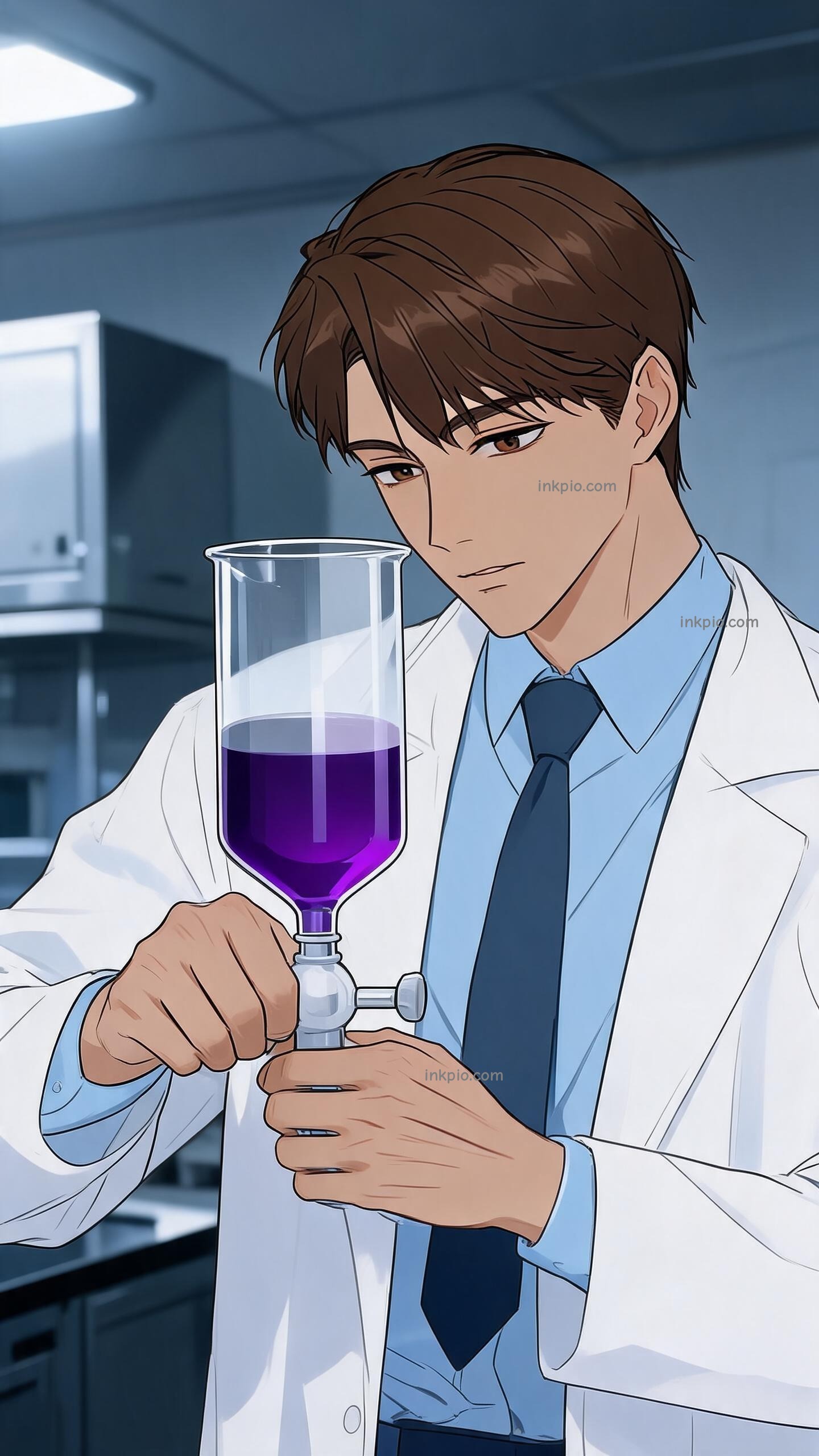
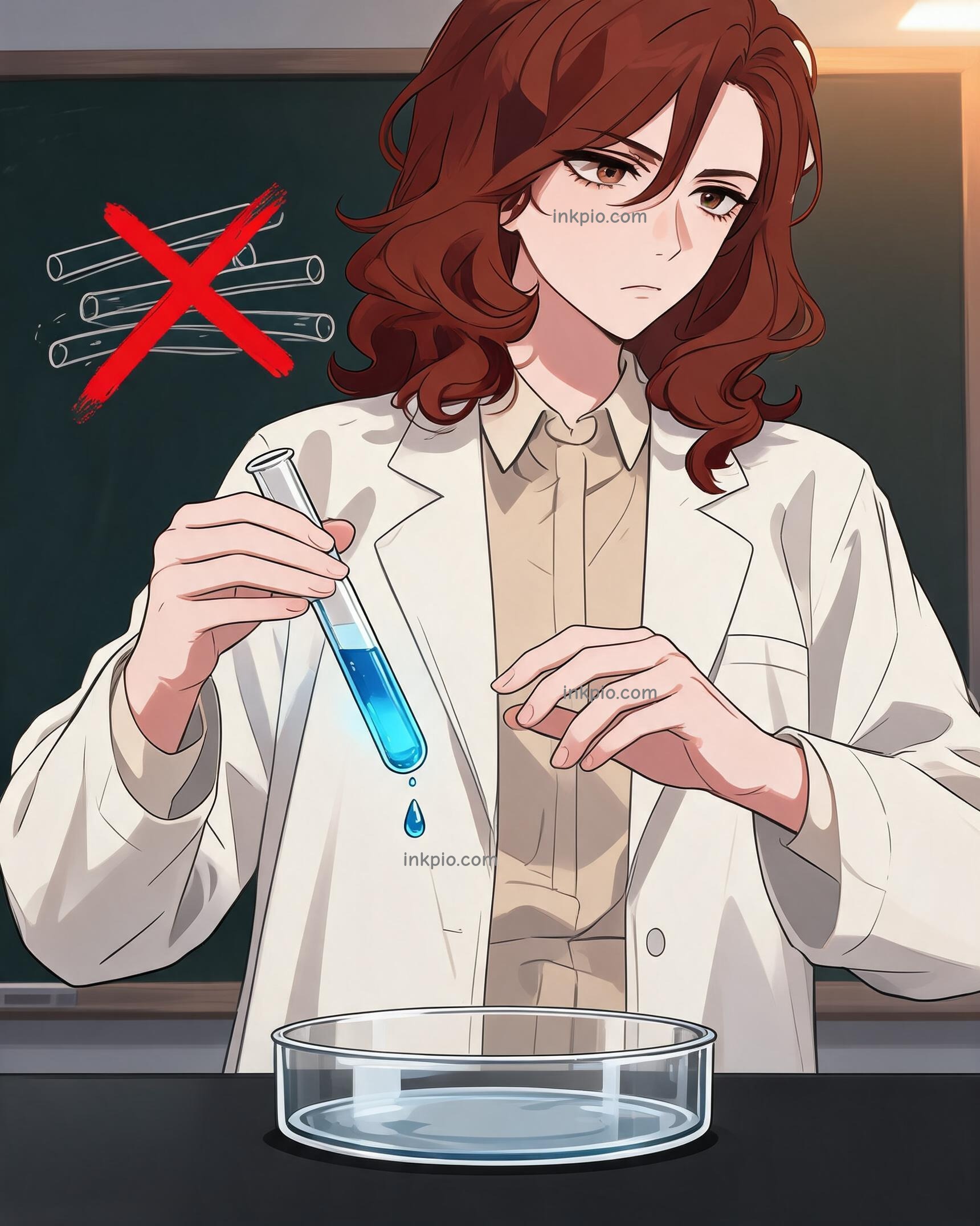
Susan needed to see the invisible. She turned to radiolabeling, a technique that required patience and precision. Her laboratory assistant prepared the purified tubulin, the protein bricks that built the cell’s skeleton. These microtubules were dynamic structures, constantly assembling and disassembling to allow cell division. Other drugs acted like dynamite, blasting these structures apart. Susan dropped glowing radioactive Taxol into the mix, watching the liquid swirl. She wasn’t just looking for binding; she was looking for betrayal. If the prevailing theory was right, the glow would scatter among the debris. If it was wrong, the pattern would tell a different story.
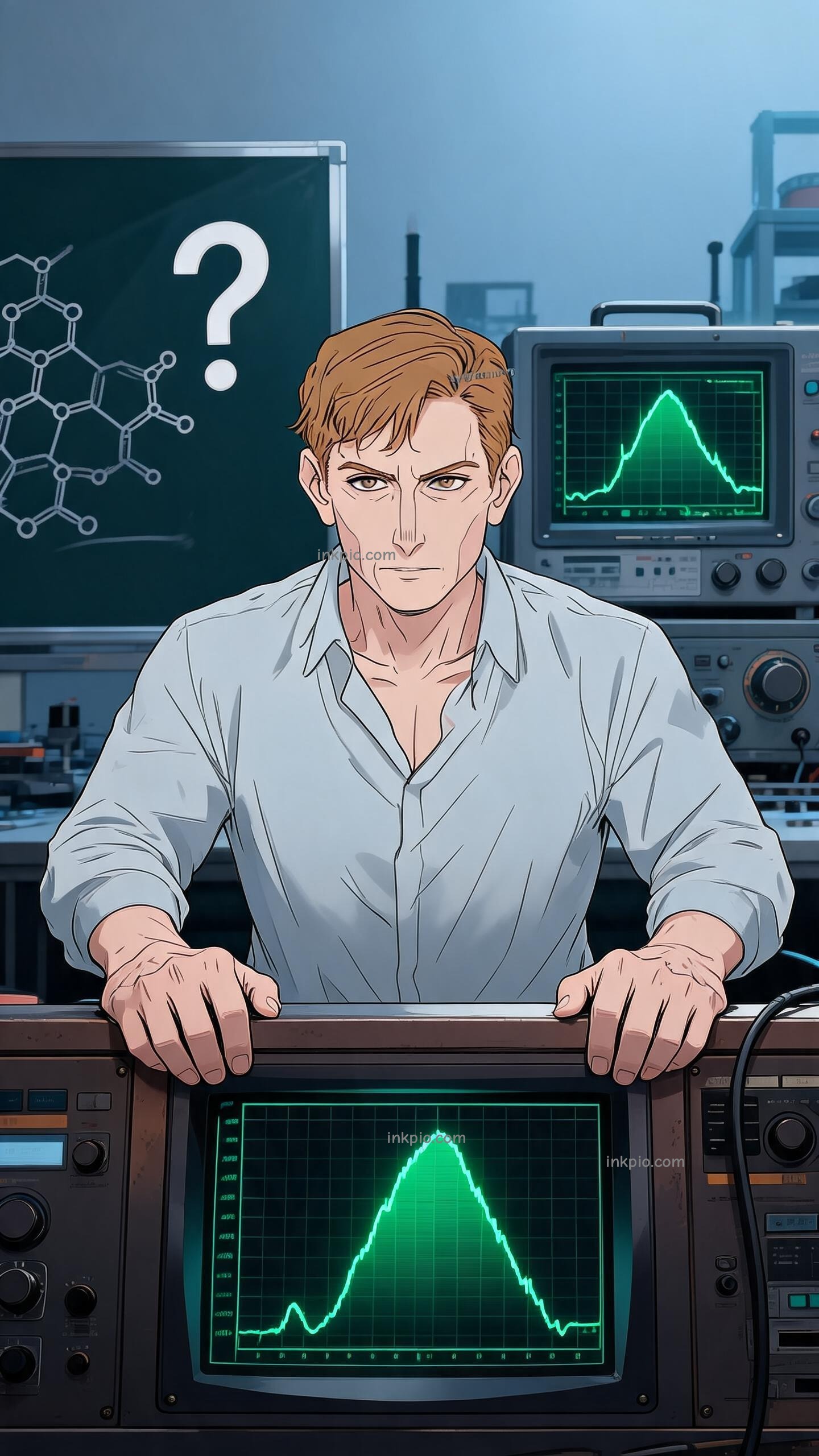
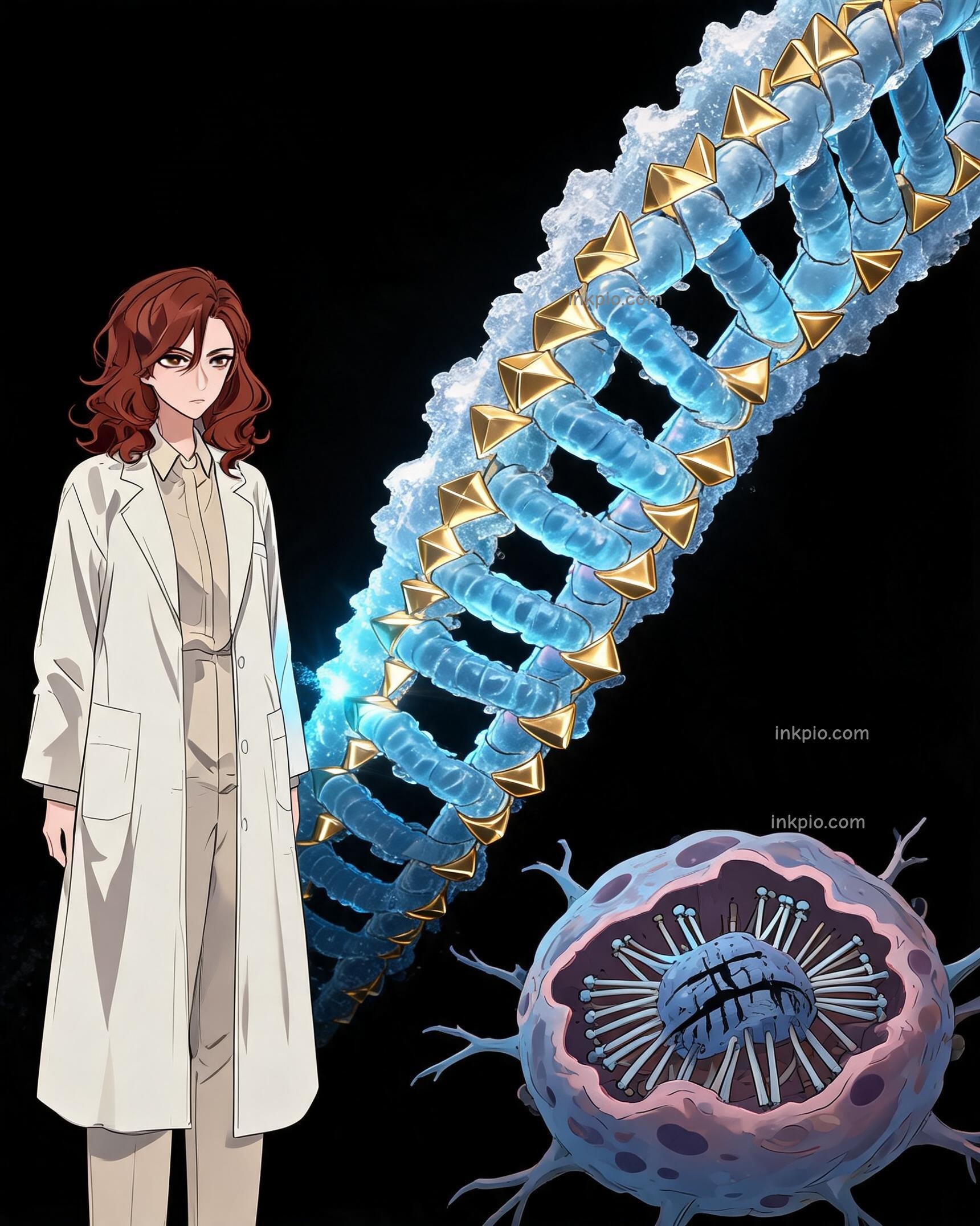
The assistant held his breath as they placed the samples in the detector. The wait was heavy, filled with the hum of machinery and the weight of failed hypotheses. When the results emerged, the room went quiet. The glowing Taxol hadn’t scattered. It had clustered. It hadn’t destroyed the scaffold; it had invaded it. The radioactive markers wedged themselves tightly between the tubulin blocks, acting less like a bomb and more like superglue. Susan stared at the data, her mind racing to reconstruct the image. It was as if someone had poured quick-dry cement into the joints of a metal scaffold. The structure remained intact, rigid and unyielding.
This was the moment the narrative flipped. The cell’s skeleton wasn’t broken; it was paralyzed. Microtubules need flexibility to pull chromosomes apart during division. By locking them in a frozen state, Taxol halted the process entirely. The cancer cells couldn’t divide because their internal machinery was stuck in place. Susan felt a surge of clarity that bordered on relief. The mystery wasn’t that the drug was weak; it was that it was too strong, too stable. It didn’t dismantle the house; it locked the doors from the inside.
The implications rippled outward, far beyond the petri dish. If Taxol didn’t need to destroy the bark’s complex structure to work, maybe the source didn’t have to be destroyed either. Researchers realized they could extract the compound from the needles of the European yew, a renewable resource. The Pacific yew, stripped bare and dying in forests, could finally rest. The pressure to harvest bark lifted, replaced by a sustainable path forward. Susan looked at the neat rows of green needles on her bench, then at the vials of clear liquid. The trees would keep their skin. The patients would keep their lives.
Late that night, the lab was empty save for the hum of the freezer. Susan packed up her notes, her hands steady. The pile of shredded bark in the corner no longer looked like a graveyard. It looked like a lesson learned. Outside, the city slept, unaware that a single molecular insight had shifted the balance between death and survival. She turned off the light, leaving the glowing data behind, knowing that somewhere, a cell had stopped dividing, and a tree had begun to grow.