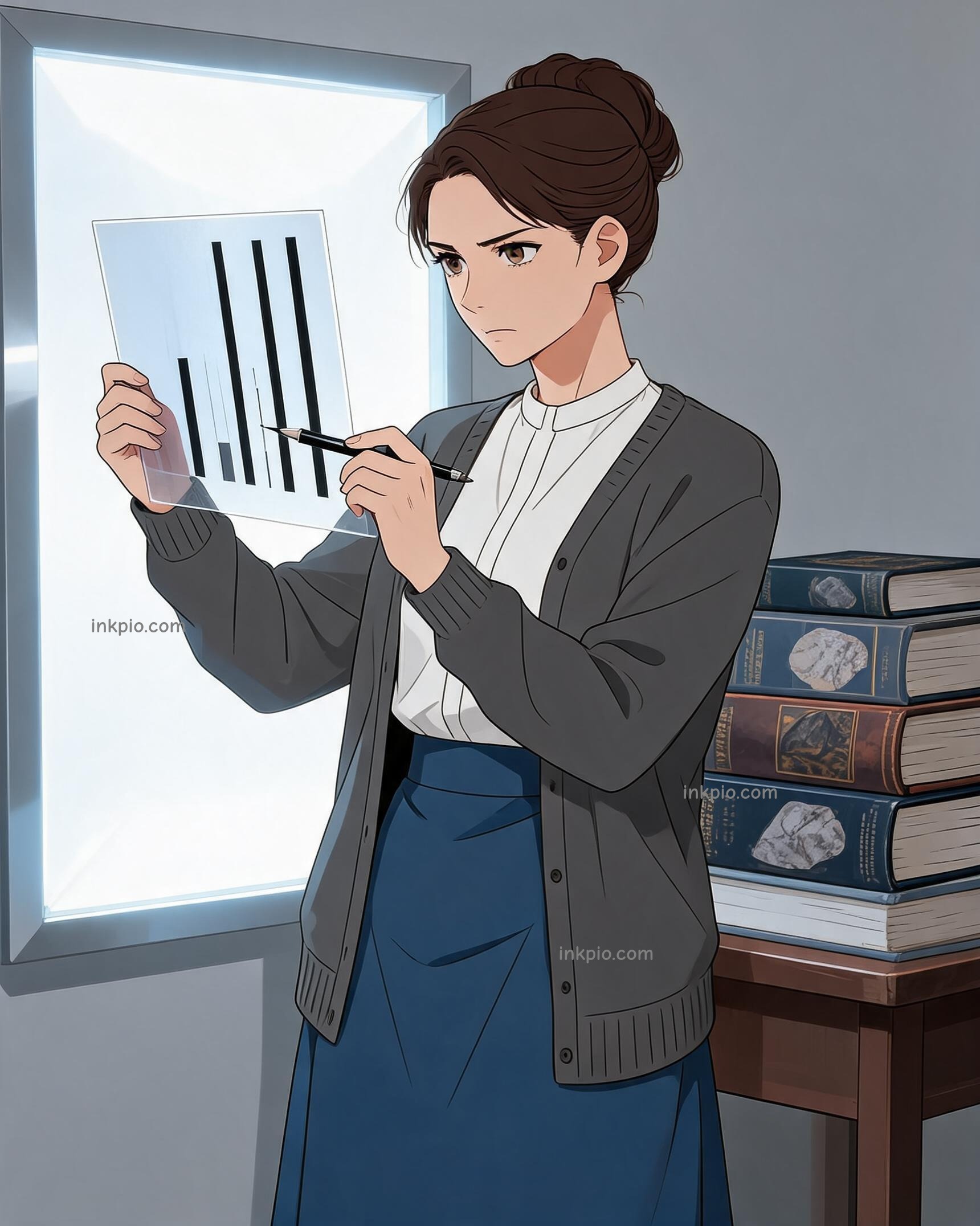
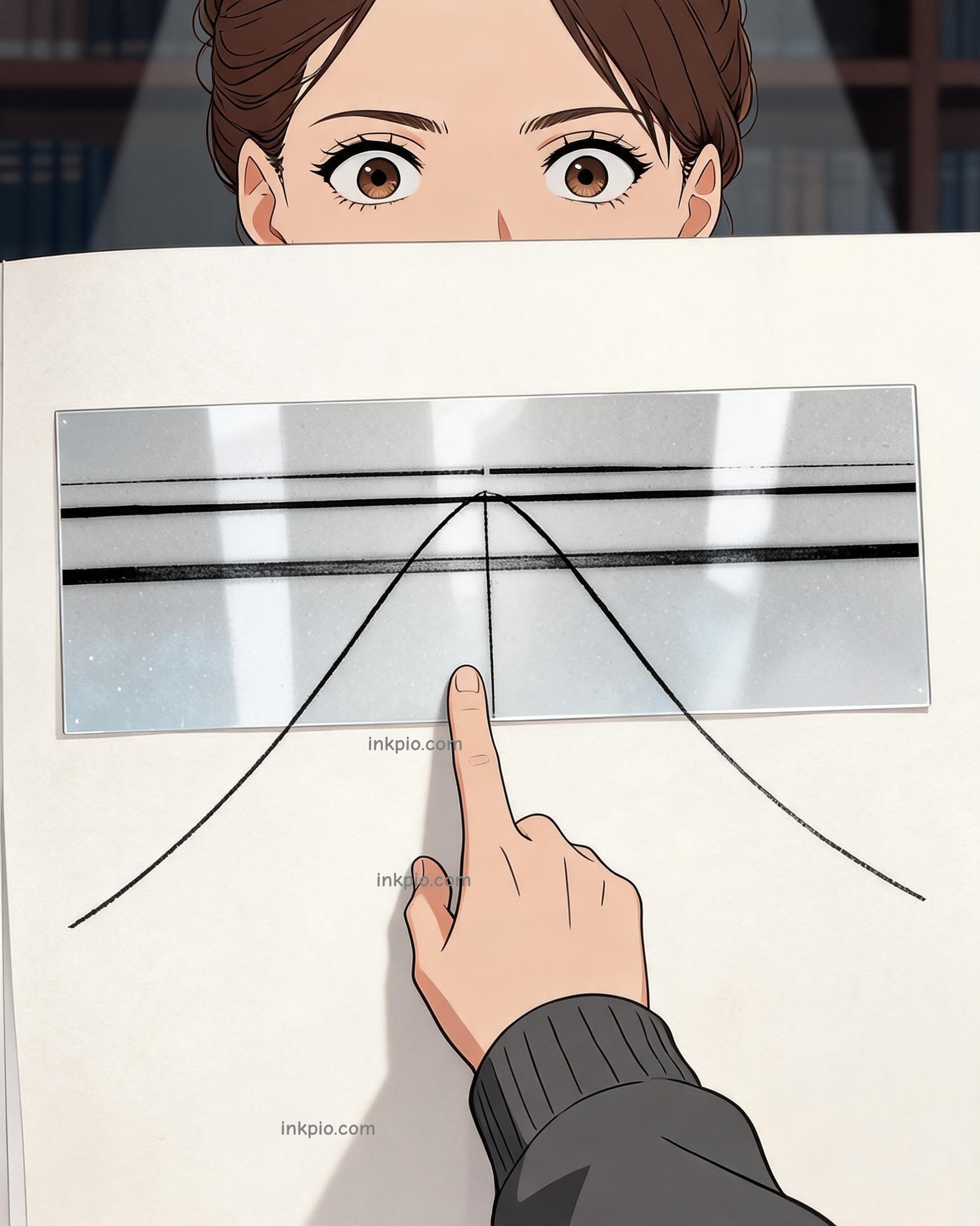

The glass plate felt cold against Cecilia Payne’s fingertips, a fragile rectangle holding the secrets of distant suns. She tapped the thickest black line with her pencil, her breath fogging slightly in the chill of the Harvard observatory. The heavy textbooks stacked on her desk were absolute in their authority: stars were made of rock and iron, identical to the Earth beneath their feet. But the hydrogen lines on this plate were not whispering; they were screaming. The old model, built on the comfort of familiarity, simply could not explain such intensity.
Payne knew she was walking a tightrope. To accept the data meant rejecting the foundation of modern astronomy. She turned to Meghnad Saha’s ionization theory, a new and untested lens for viewing the cosmos. She imagined atoms as a choir. In the cool depths of a star, singers wear heavy coats, their voices muffled, creating thick dark lines on the spectrum. But as heat rises, those coats are stripped away. The singers change their tune. The thick lines were not a measure of abundance, but a thermometer of stellar fury.
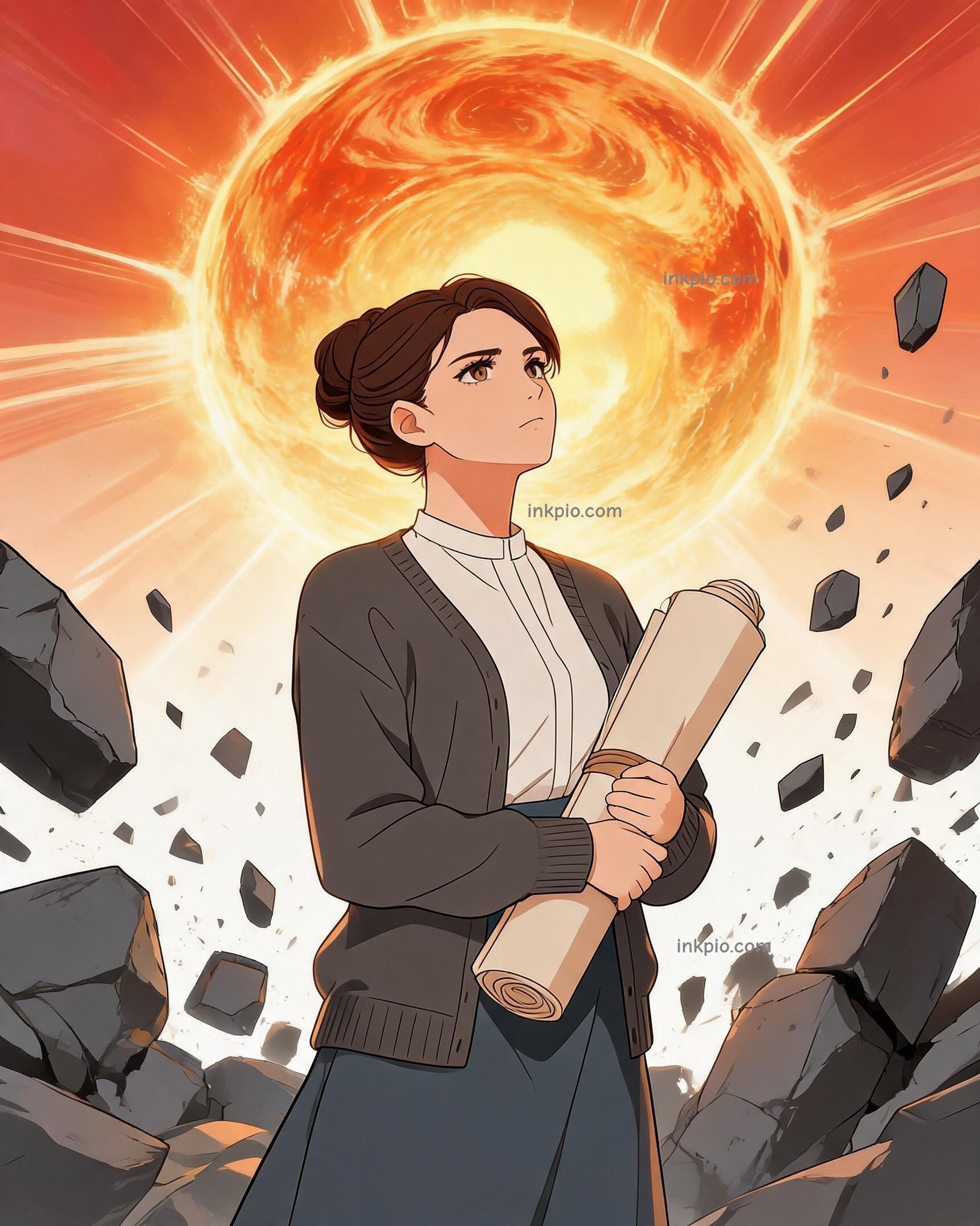
She plugged the temperature variable into her equations, her hand steady despite the tremor in her chest. The messy curves on her graph paper suddenly snapped into alignment with the glass plates. The realization hit her not with joy, but with a profound, isolating clarity. Hydrogen was not a trace impurity hiding in the mix. It constituted over ninety percent of the star, with helium taking up most of the rest. The universe was not a giant rocky planet writ large; it was a vast, terrifying sea of gas.
Carrying this truth felt like carrying a live wire. She brought her findings to Henry Norris Russell, the titan of astronomy whose approval was currency in their world. He did not look at the math first; he looked at the conclusion. His face hardened. He called the idea that a star differed from Earth’s rocky makeup 'impossible.' It was not just a scientific disagreement; it was a dismissal of her reality. He pressured her to bury the result, to call it an error in her 1925 PhD thesis.
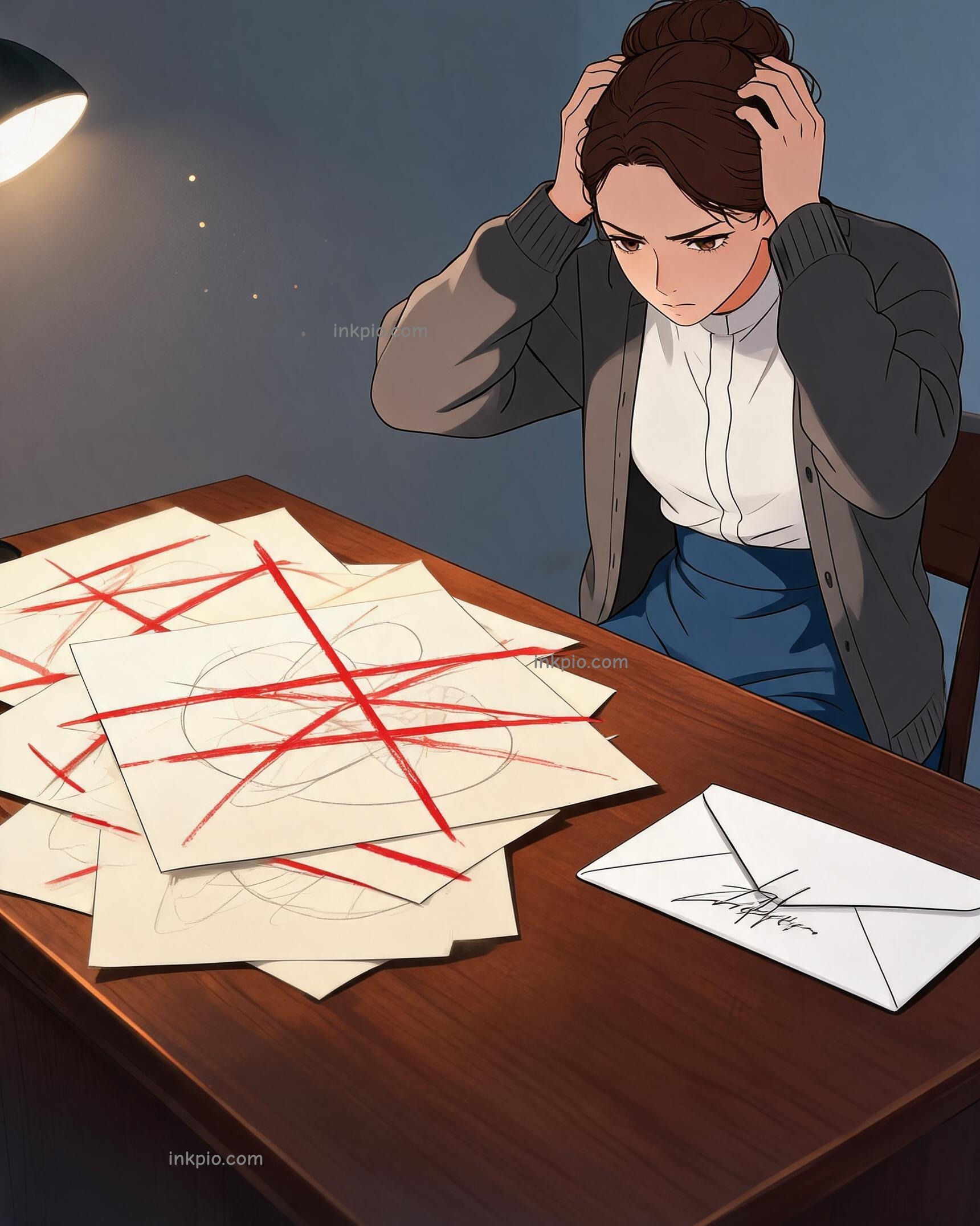
Payne stood in his office, the weight of his reputation pressing down on her shoulders. She was a woman in a room of men who defined what was real. To fight him was to risk her entire career before it began. So she backed down. She wrote the words he wanted to hear, labeling her own brilliant deduction a mere 'anomaly.' She signed her name to a lie, feeling the truth rot inside her as she walked out into the Cambridge air.
Four years passed. The silence from Russell was deafening. Then, he ran the exact same math. He hit the same impossible wall, the same undeniable truth that Payne had found. Quietly, without fanfare or apology, he retracted his objection. He published the discovery as his own, the scientific community nodding in agreement at the great man’s insight. Payne watched from the sidelines, her name footnoted, her voice silenced.
She had weighed the cosmos, revealing its true gaseous heart. But the men in the room kept the scale. The universe had changed forever, but for Cecilia Payne, the cold light of the observatory remained just as distant, and just as indifferent, as the stars she had decoded.