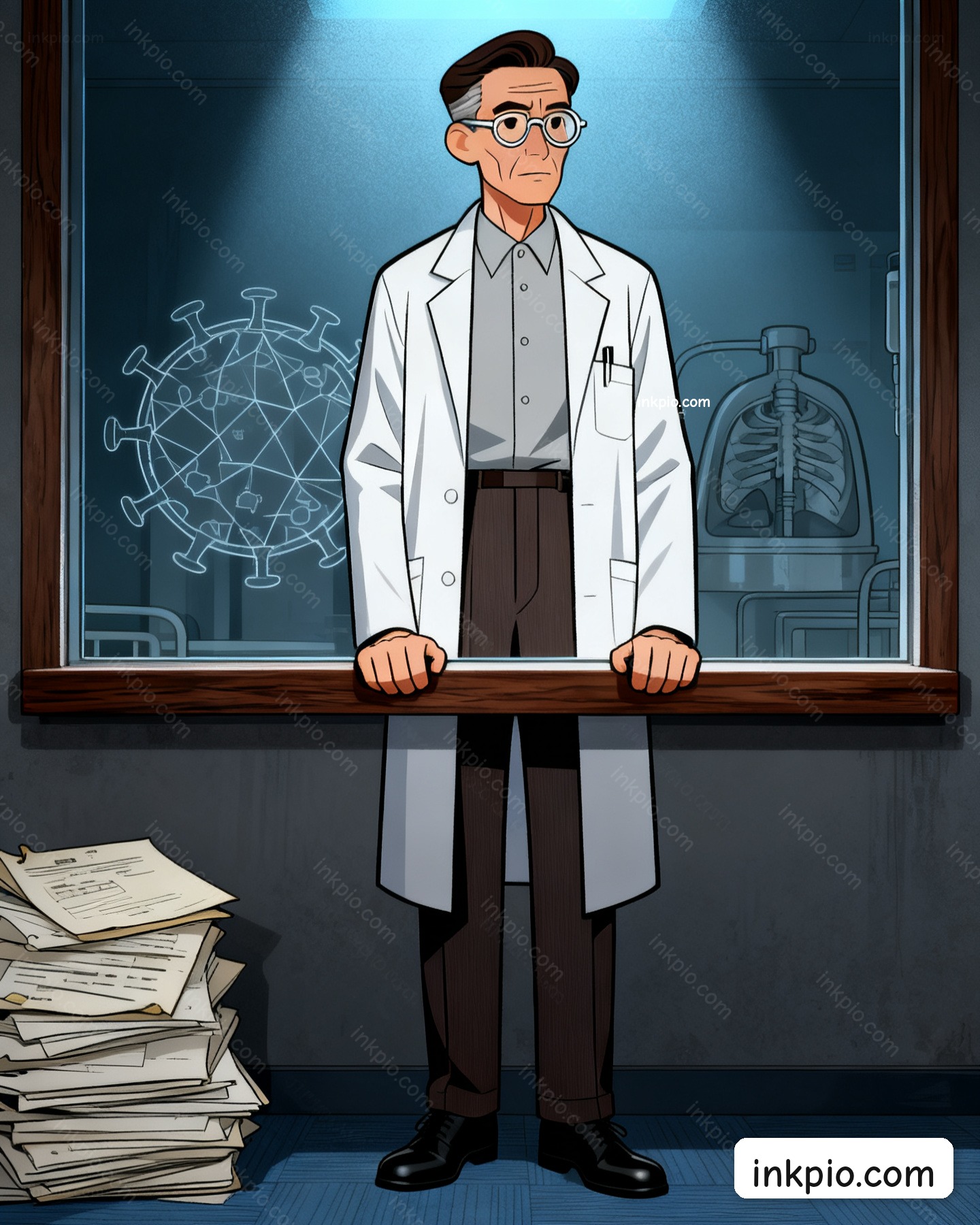
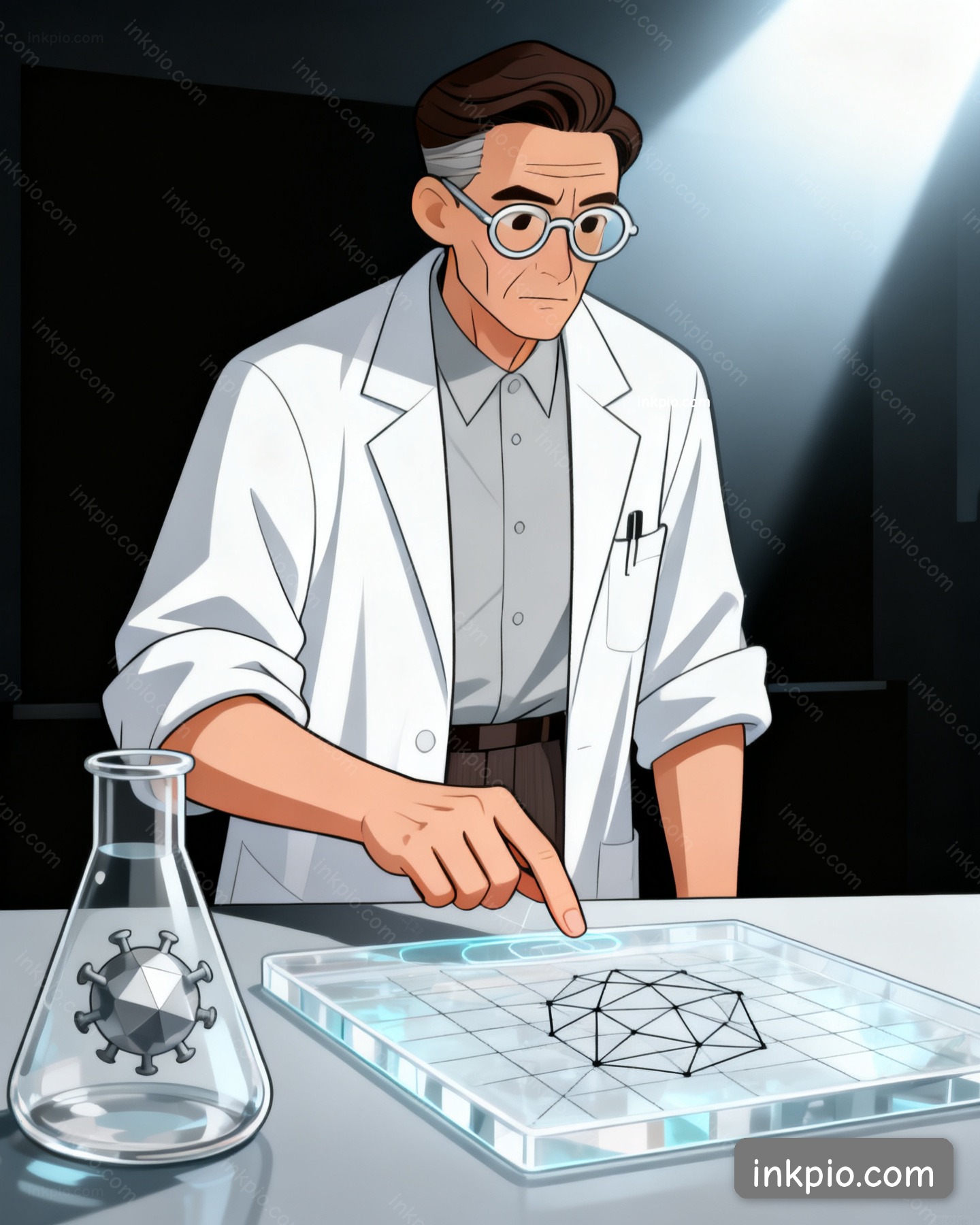
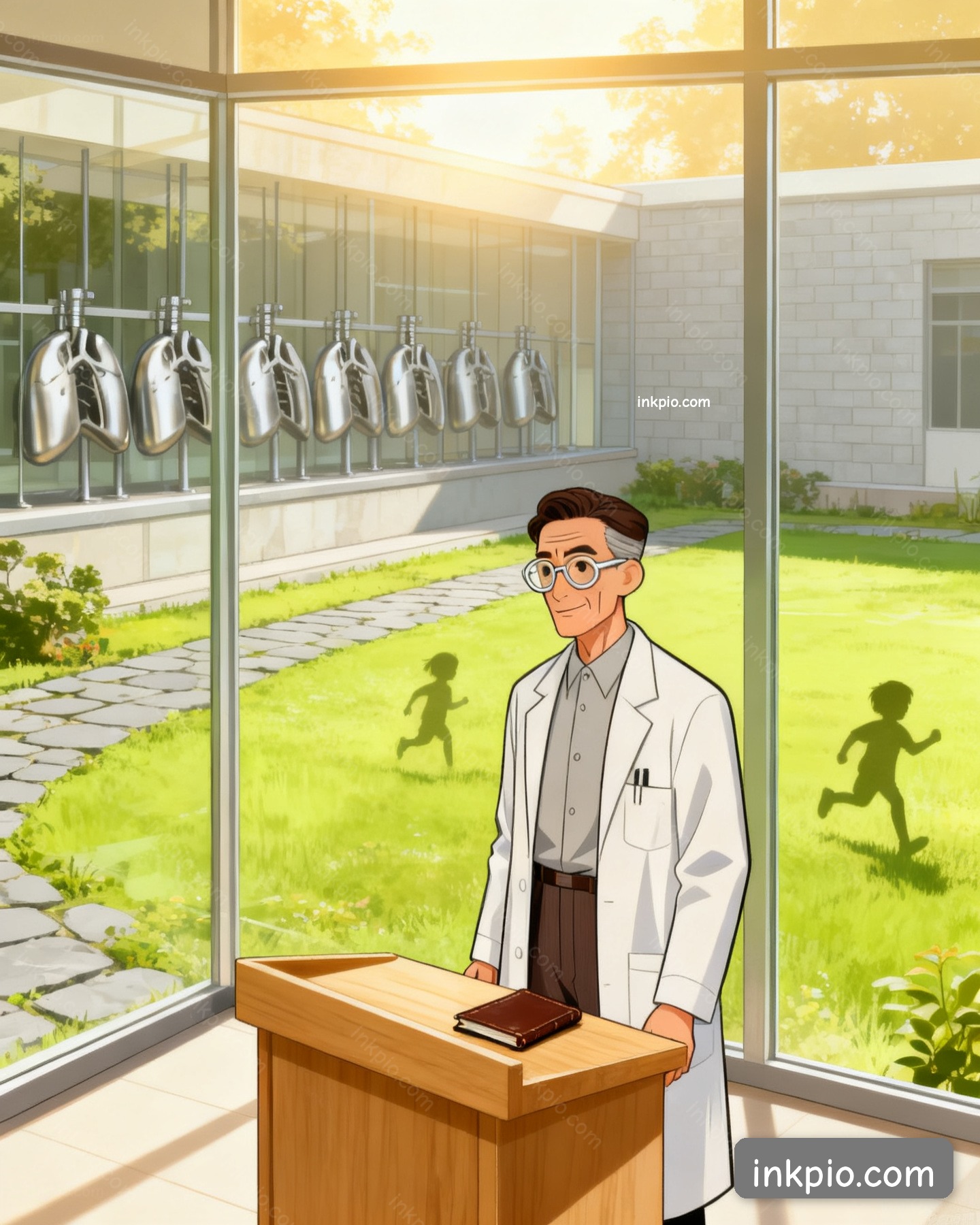

Jonas Salk stared through the hospital window at rows of heavy metal cylinders breathing for children who couldn’t. Polio had stolen their muscle control, and every summer brought more paralyzed kids to the ward. Back in the cramped lab, his usual approach kept failing. He tried weakening live viruses to train animal immune systems, but the weakened bugs kept waking up and causing disease. The old playbook wasn’t working, and time was running out.
He switched tactics and soaked the virus in formaldehyde. Under the microscope lens, something unexpected happened. The chemical slipped into the culture and locked the viral shells completely still. They didn’t crack open. They just sat there like frozen glass beads. Salk realized the human body didn’t need a living enemy to learn how to fight. The body only needed the outline. Think of a wax key blank. You don’t need the original metal key to cut a working copy. The wax shape holds every necessary ridge. The treatment preserved every bump and spike on the viral coat while stripping away the infection machinery. The immune system saw the shape, memorized it, and built defenses without risking a single real attack.
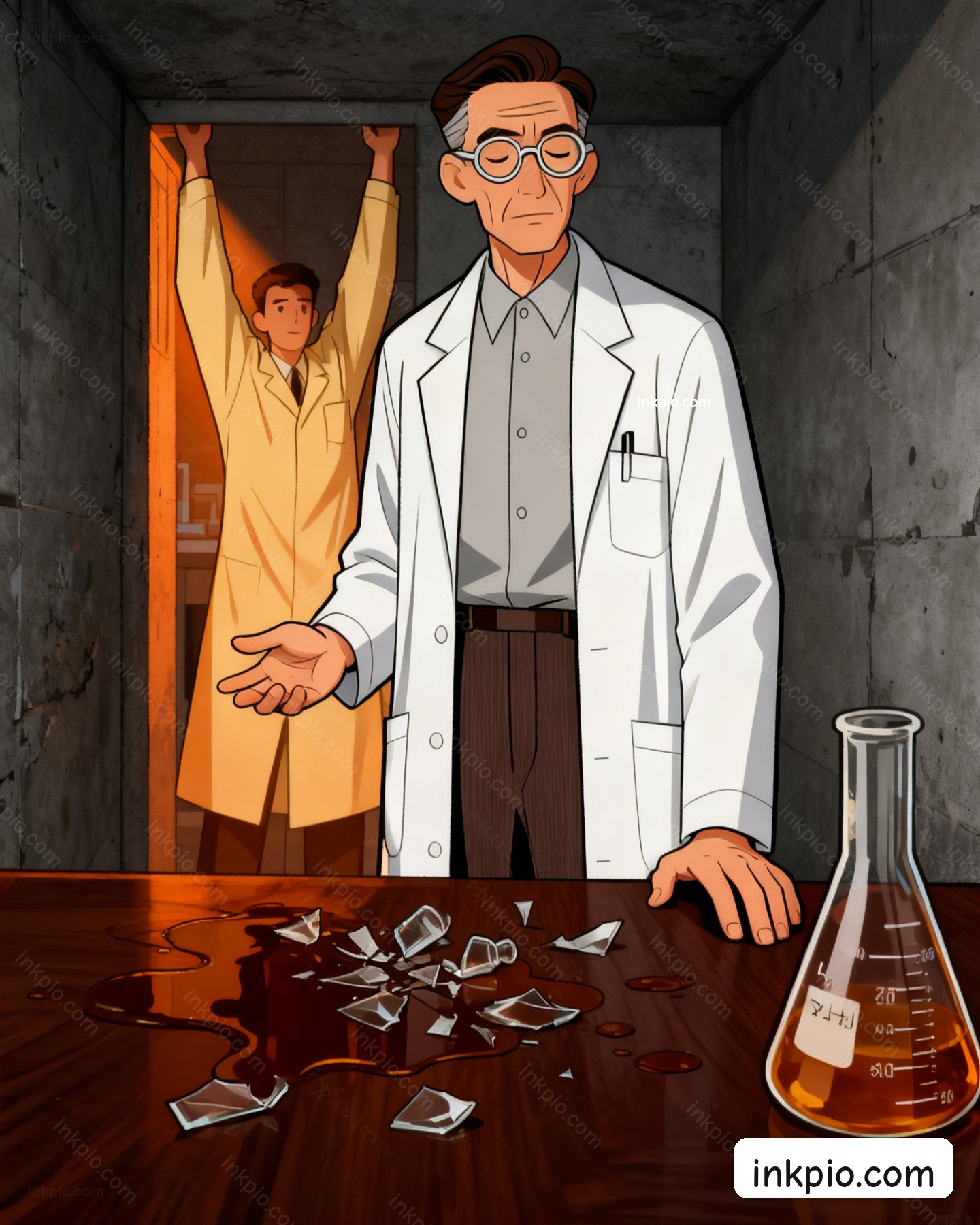
The theory needed proof on a massive scale. In 1954, the largest clinical trial in history enrolled 1.8 million children to test Salk's inactivated polio vaccine. Parents signed consent forms while researchers tracked blood samples across dozens of states. The waiting game stretched through winter until the final data finally cleared the last hurdle. On April 12, 1955, Dr. Thomas Francis publicly declared the vaccine safe, effective, and potent at the University of Michigan. The announcement crackled through radio speakers nationwide.
Salk sat quietly in the back row and let out a long breath. He dropped his heavy leather notebook onto the wooden bench and finally relaxed his shoulders. Outside the glass doors, the hospital courtyard looked like an ordinary playground again. Kids sprinted across the green lawn without leg braces, their voices drowning out the quiet hum of storage rooms. The outline had done the work.