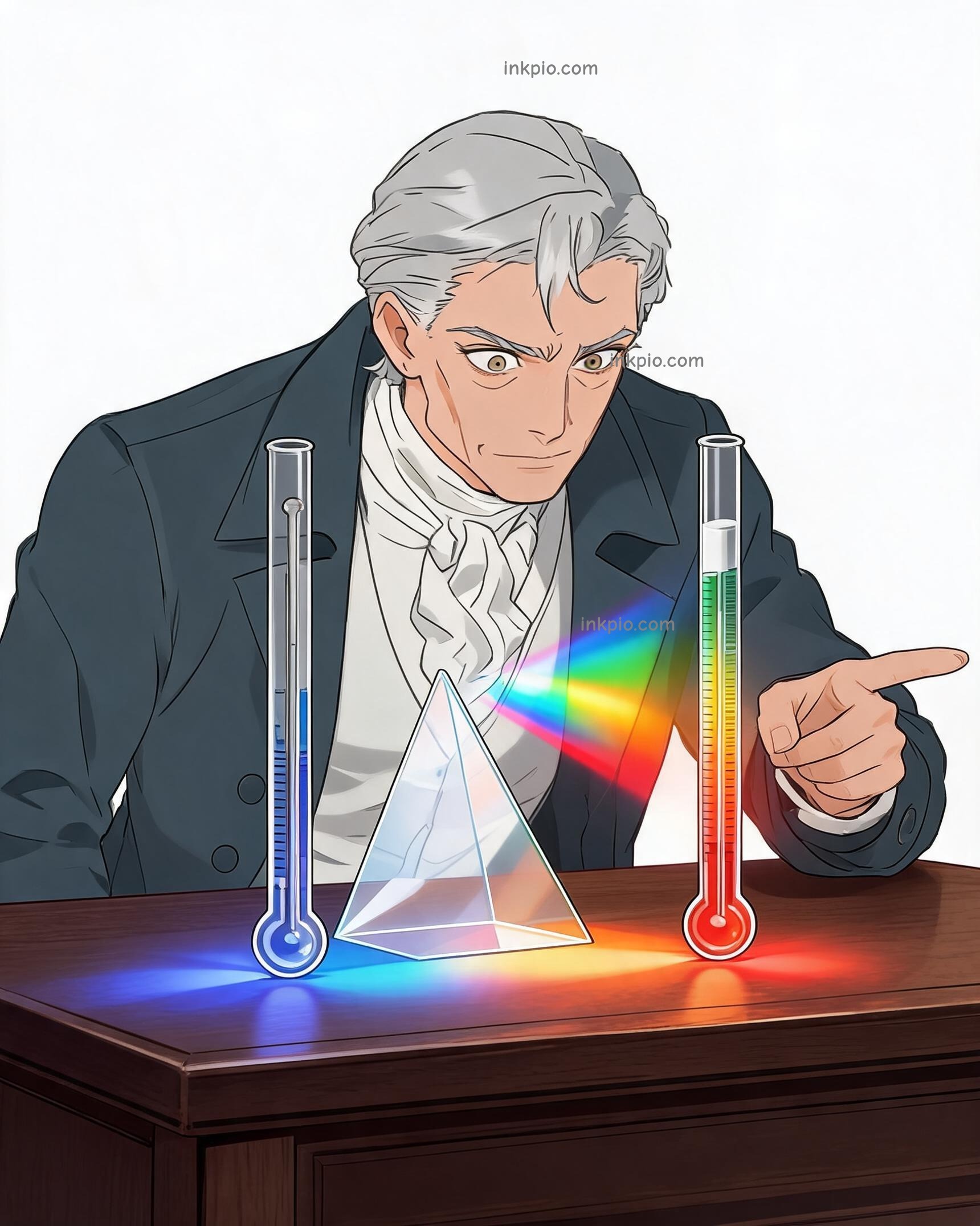

William Herschel did not trust his eyes. By 1800, the aging astronomer had learned that vision was a fragile sense, easily fooled by brightness and bias. He sat in his dim study, the air thick with dust and silence, watching a single beam of sunlight pierce the gloom. It struck a glass prism on his desk, scattering into a vivid rainbow across a wooden board. To most, this was beauty. To Herschel, it was a puzzle that refused to solve itself.
The prevailing wisdom claimed violet light carried the most heat. It made intuitive sense; violet was sharp, aggressive, energetic. Red was dull, lazy, warm but weak. Herschel wanted to prove this hierarchy wrong, or perhaps just confirm it so he could sleep at night. He placed thermometers in the blue and red bands, his hands steady despite the tremor of anticipation in his chest. The mercury in the blue barely moved. The red rose, modestly. But it wasn't enough. Data without context was just noise.
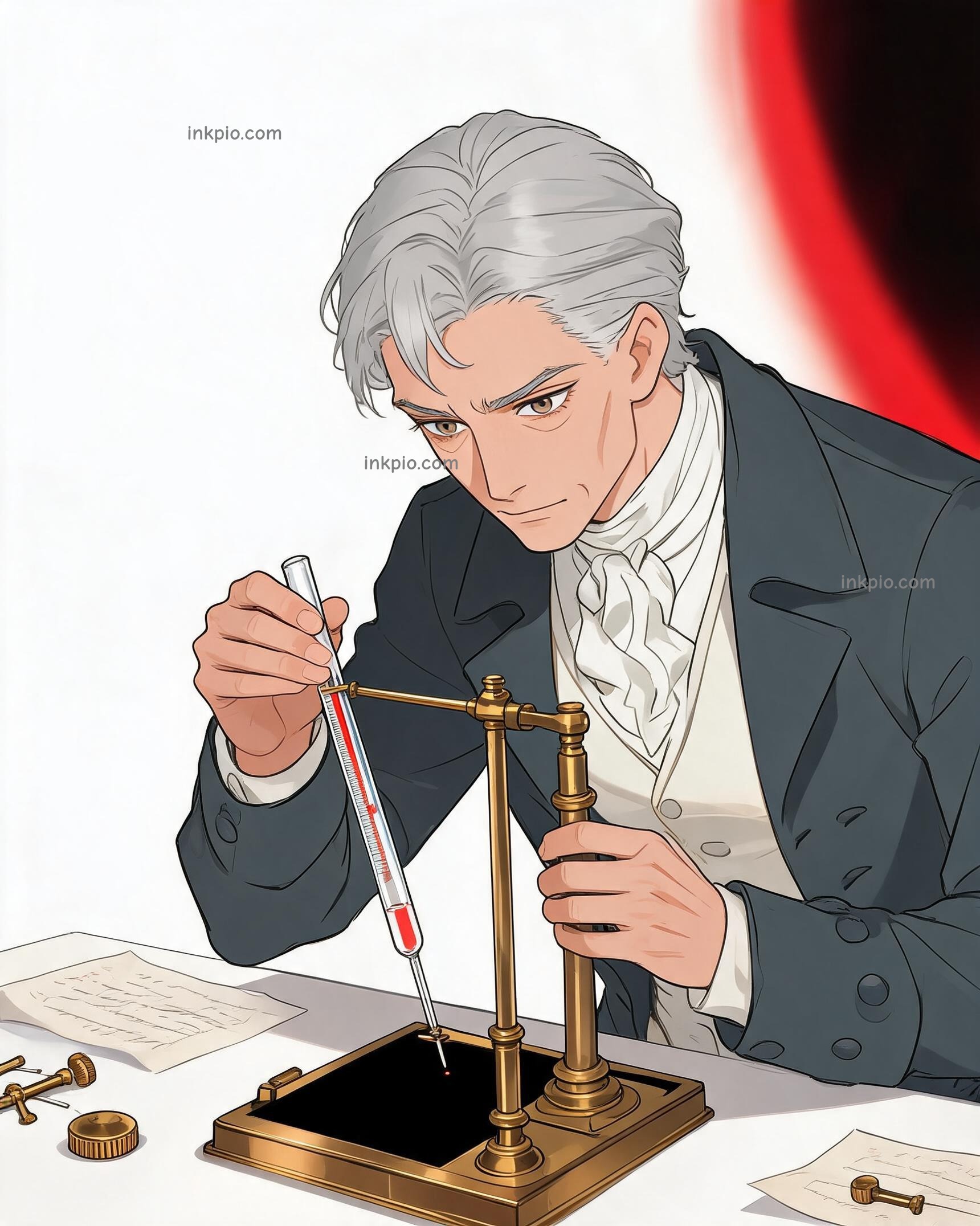
He needed a baseline. A place where no light existed, a control to prove his instruments weren't hallucinating. He picked up a third thermometer, its glass cold against his fingertips. With deliberate care, he slid it past the red edge of the spectrum. Into the shadow. The area beyond the rainbow was pitch black, empty of color, seemingly empty of everything. He expected the mercury to stay flat, a silent testament to the absence of energy.
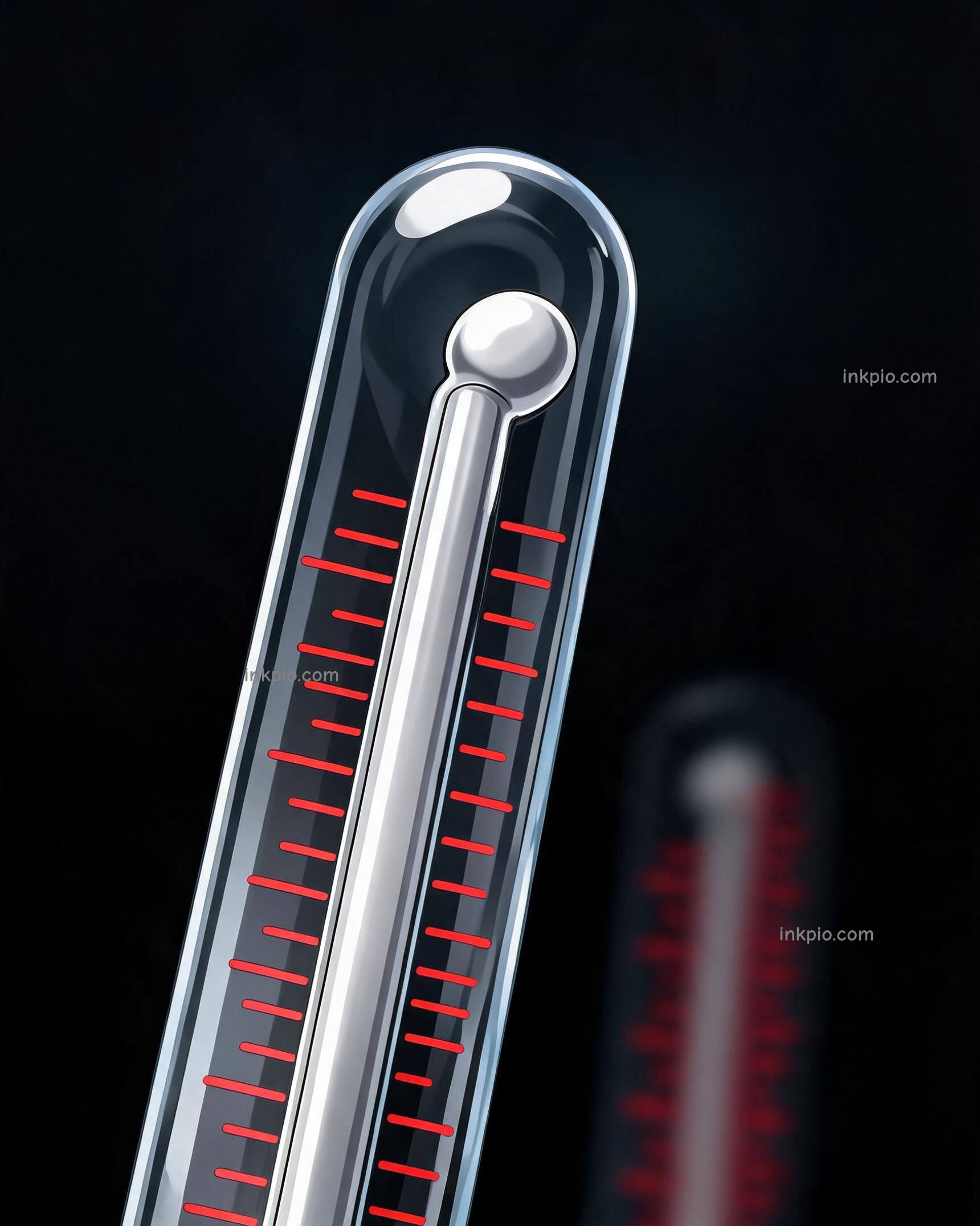
Minutes passed. The room grew quieter, the only sound the ticking of a clock on the wall. Herschel leaned in, squinting at the glass tube in the dark. He waited for the stillness. Instead, the silver column began to climb. It didn't just rise; it surged. It climbed past the reading of the red light, higher than any color in the visible spectrum. The darkness was not empty. It was burning.
A chill ran down his spine, unrelated to the temperature in the room. His eyes had lied to him again. The sun was screaming energy into that void, a roar of heat that human biology had evolved to ignore. He called them 'calorific rays,' a clumsy name for something so profound. The prism hadn't just sorted light; it had revealed a hidden layer of reality, heavy and potent, slipping past the finish line of human perception.
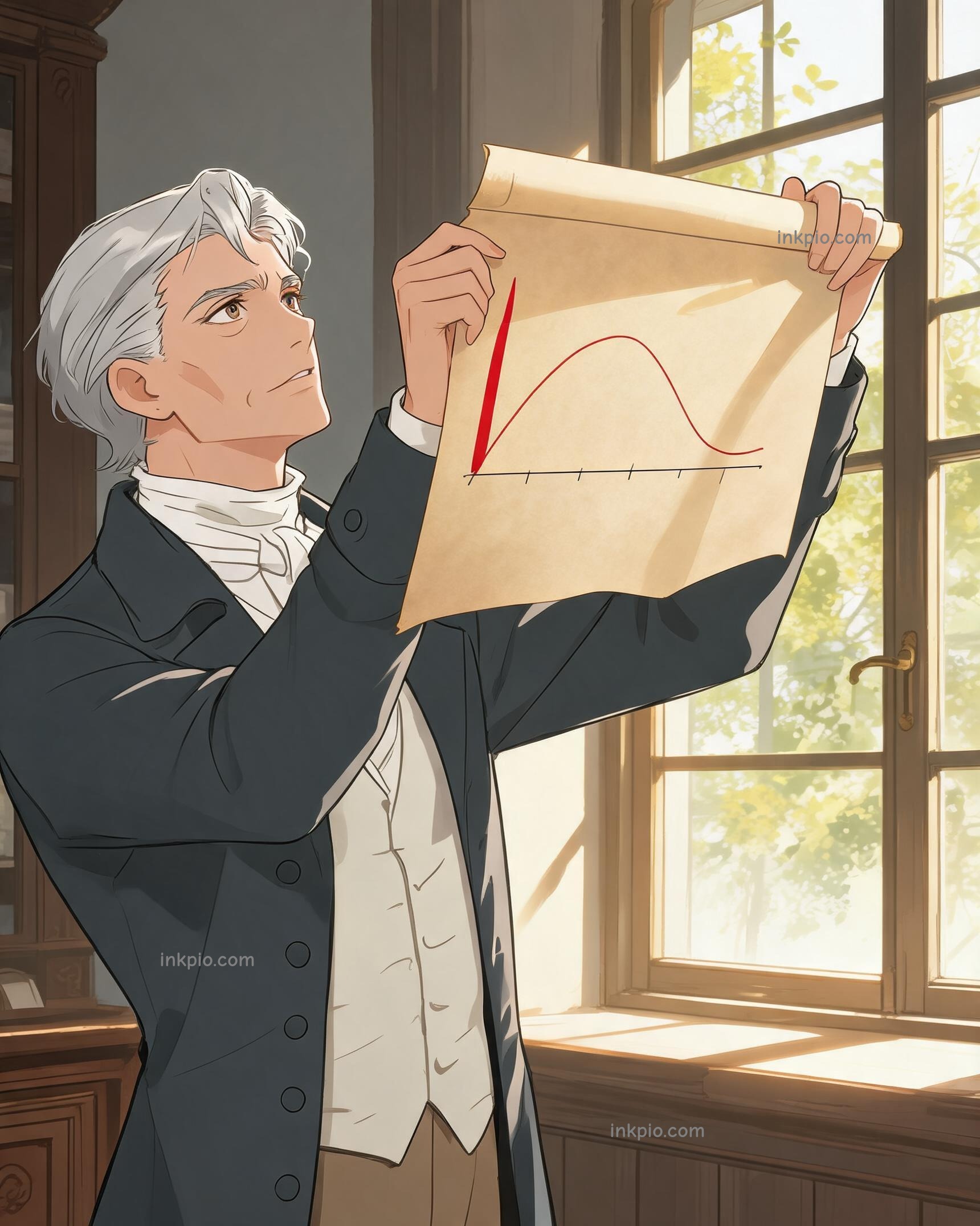
He looked at the rainbow on the board. It looked unchanged, innocent in its spectral order. But the universe had shifted beneath his feet. He realized then that what we see is only a fraction of what exists. The void next to the light was not nothing; it was everything we were blind to. He picked up his pen, his hand shaking slightly, and wrote: "I found that the red rays still continued to heat, and that the maximum of heat fell somewhere beyond the visible spectrum."
The words felt inadequate. They captured the measurement but missed the terror of the realization. Herschel sat back, staring into the shadow beyond the red. It was no longer just an absence of light. It was a presence. A hot, invisible hand reaching out from the unknown, touching him where his eyes could not follow. He left the thermometer there, watching the mercury hold its high ground, afraid to move it, afraid to break the connection with the unseen.