

The silence in the Paris laboratory was heavy, broken only by the sharp crash of glass hitting wood. Édouard Bénédictus froze, his hand still hovering in the air where the flask had been a second before. He waited for the sting of shrapnel, the familiar bite of shards against his skin. But there was no pain. No spray of deadly fragments.
He lowered his guard and looked down. The flask lay on the floor, a spiderweb of cracks radiating from the impact point. Yet it held its shape. It stood upright, a fragile cylinder refusing to collapse into a pile of jagged ruins. Bénédictus knelt, his heart pounding not with fear, but with a strange, unsettling recognition. He picked up the vessel. It felt light, hollow, yet intact. A thin, invisible skin clung to the inside, binding the million broken pieces together like a secret promise.
His mind raced back through the days of neglect. This specific flask had not been cleaned. It had once held cellulose nitrate, a volatile liquid plastic used for collodion. The solvent had evaporated long ago, leaving behind a dried, transparent film. It was a mistake, a lapse in protocol that should have ruined an experiment. Instead, it had saved his face.
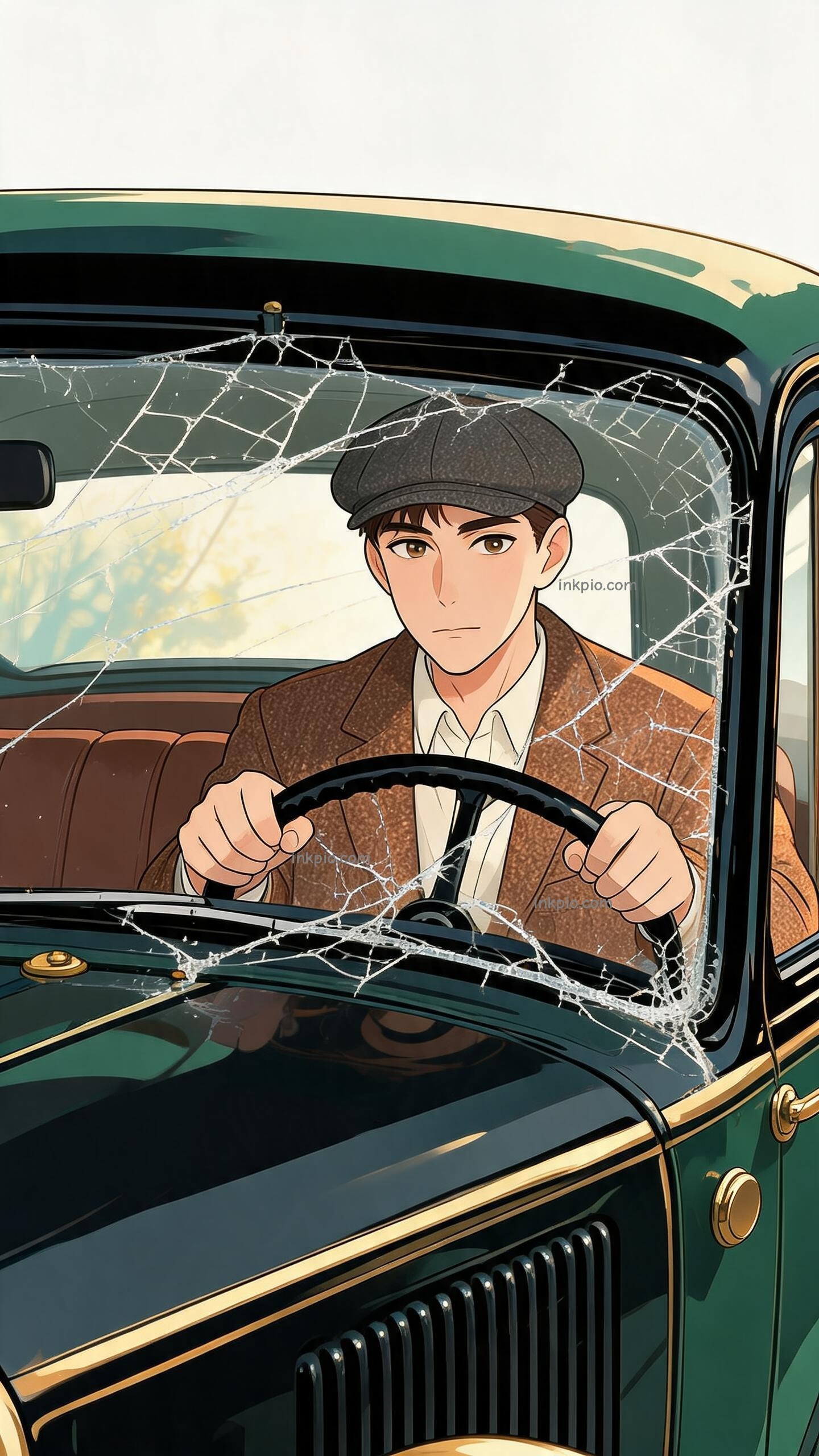
Bénédictus did not celebrate. He stared at the cracked glass, seeing not just a chemical anomaly, but a solution to a horror he had read about too often. Automobiles were becoming common, and so were their casualties. Windshields were simple sheets of plate glass. In a collision, they did not protect; they executed. They turned drivers’ faces into maps of lacerations. He thought of the news reports, the silent victims of modern speed. His clumsiness had revealed a way to stop the bleeding before it started.
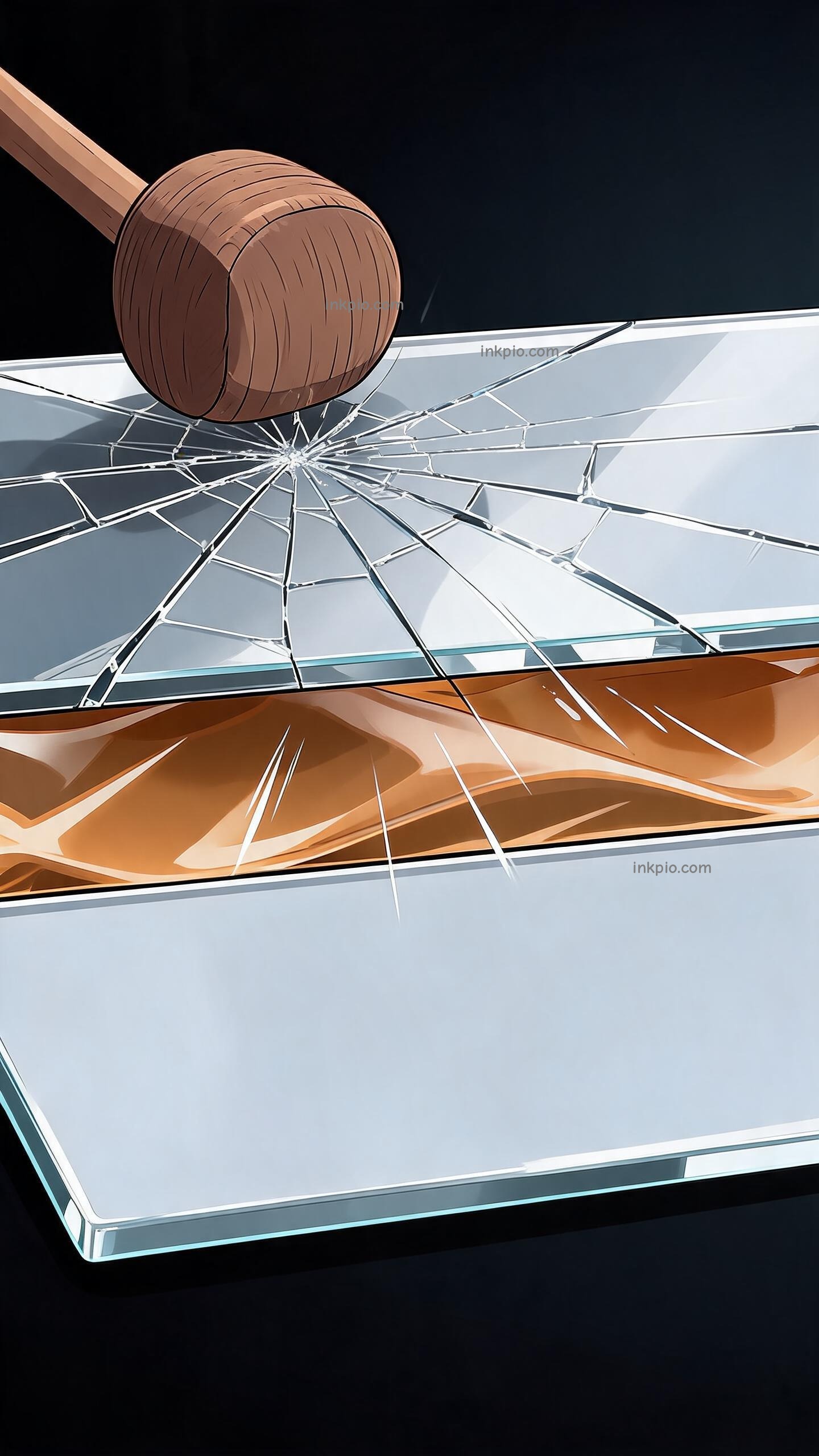
He moved to his workbench, driven by a compulsion deeper than curiosity. He needed to know if this was luck or law. He poured fresh cellulose nitrate into a mold, waiting for the solvent to vanish, leaving only the tough, clear polymer. He placed this sheet between two panes of ordinary glass, pressing them until they bonded. The result was ugly, thick, and imperfect. It was also hopeful.
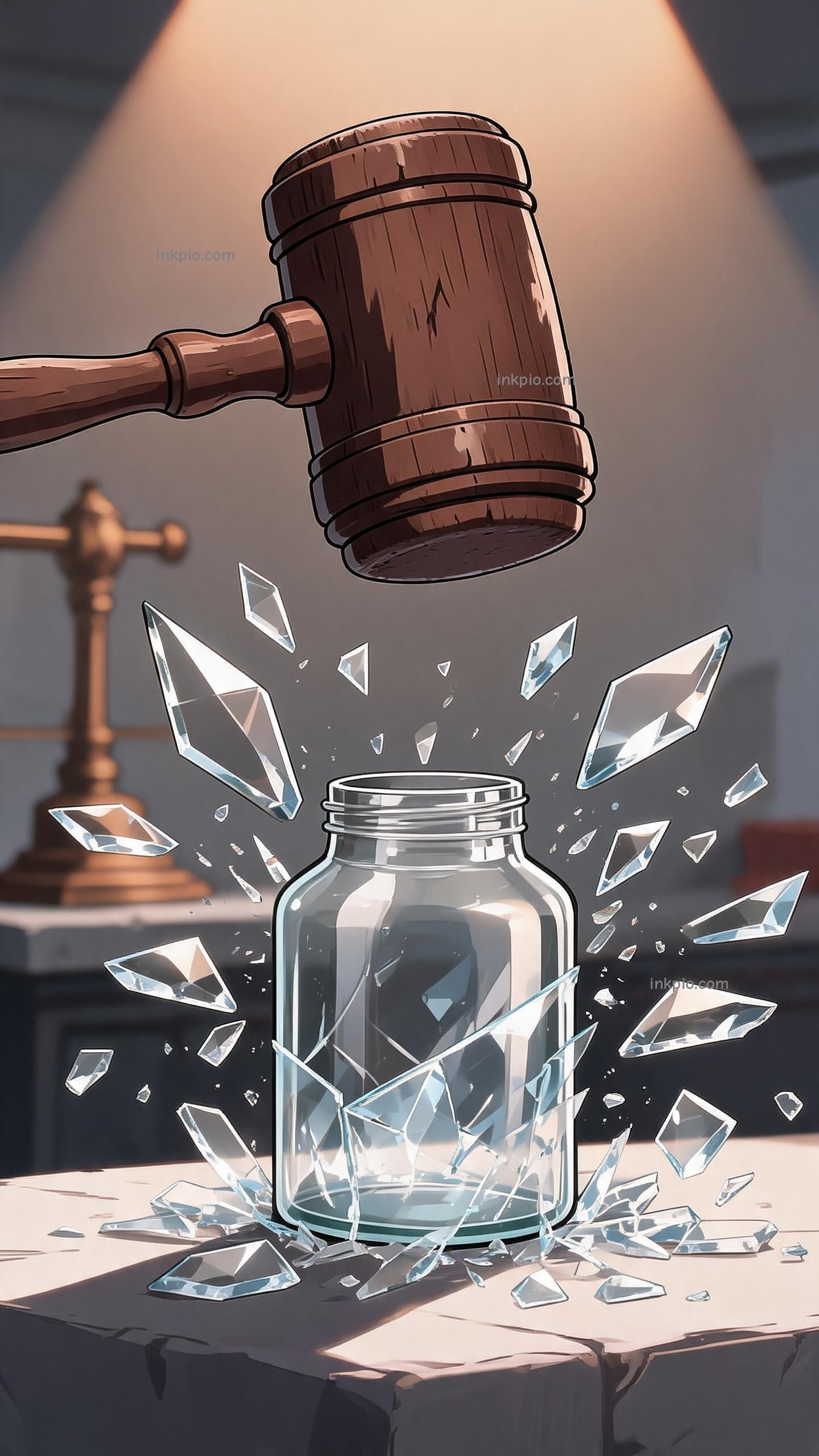
He lifted a heavy wooden mallet. His assistant stepped back, eyes wide, expecting the usual explosion of shards. Bénédictus swung. The sound was dull, a thud rather than a crash. The top layer of glass fractured, white lines spreading across the surface. But the bottom layer remained clear. The plastic film stretched, taut and resilient, absorbing the kinetic energy like thick honey catching falling crumbs. The shards stayed trapped, held in place by the adhesive grip of the polymer. The violence of the impact had nowhere to go but into the middle layer.
In 1909, he patented the "triplex" design. The automotive industry initially hesitated, accustomed to cheap, disposable glass. But as accidents mounted, the cost of human flesh became too high to ignore. Manufacturers began replacing their glass guillotines with Bénédictus’s laminated shield. The change was quiet but absolute. Drivers no longer feared the windshield as much as the road.
Years later, a stone strikes your car’s window. A starburst pattern appears, white and stark against the dark road ahead. You flinch, waiting for the shower of glass. But nothing falls. The crack remains, a scar on the view, but the barrier holds. You keep driving, unaware that your safety rests on the memory of a clumsy moment in a Paris lab, where a broken thing refused to break apart.