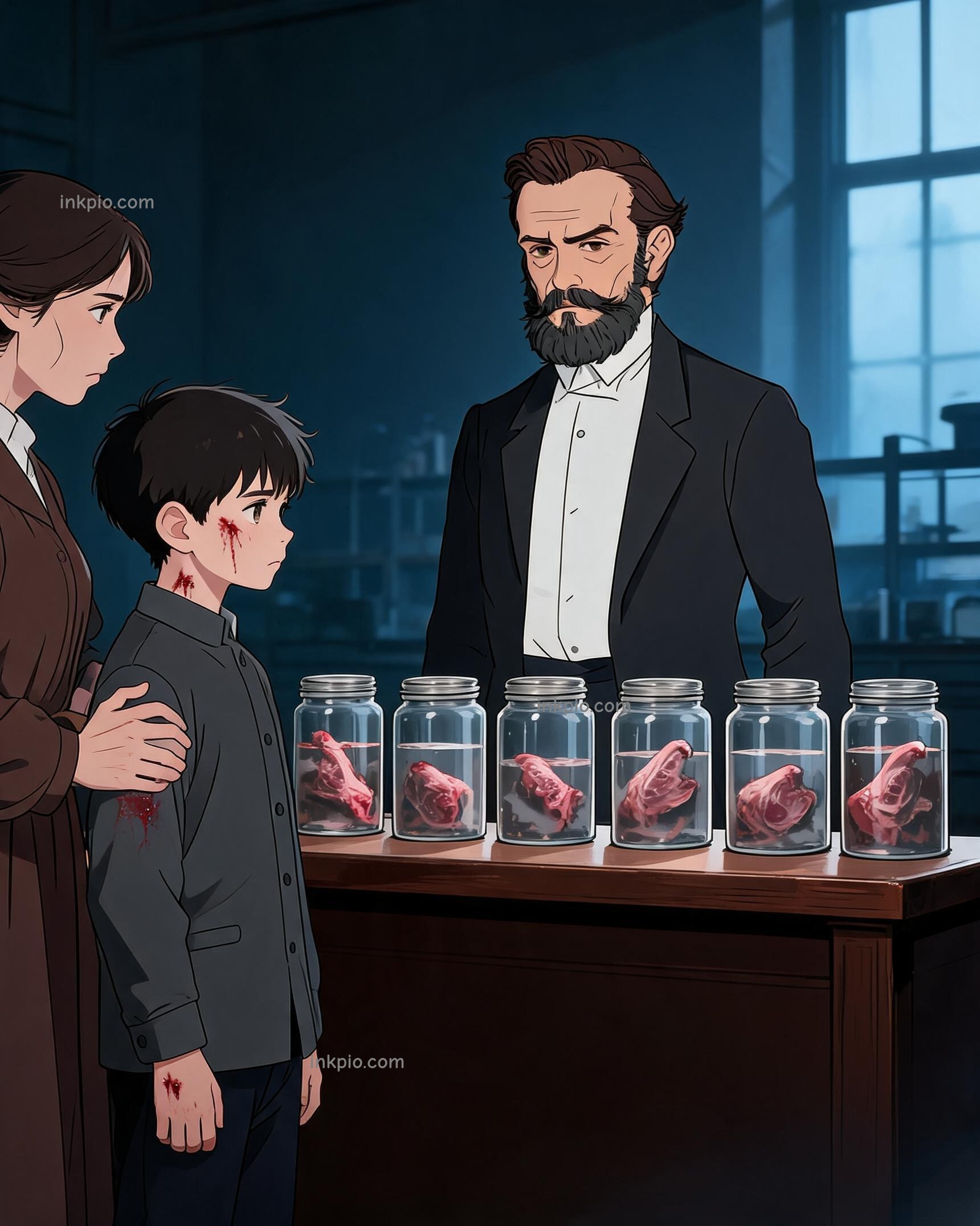
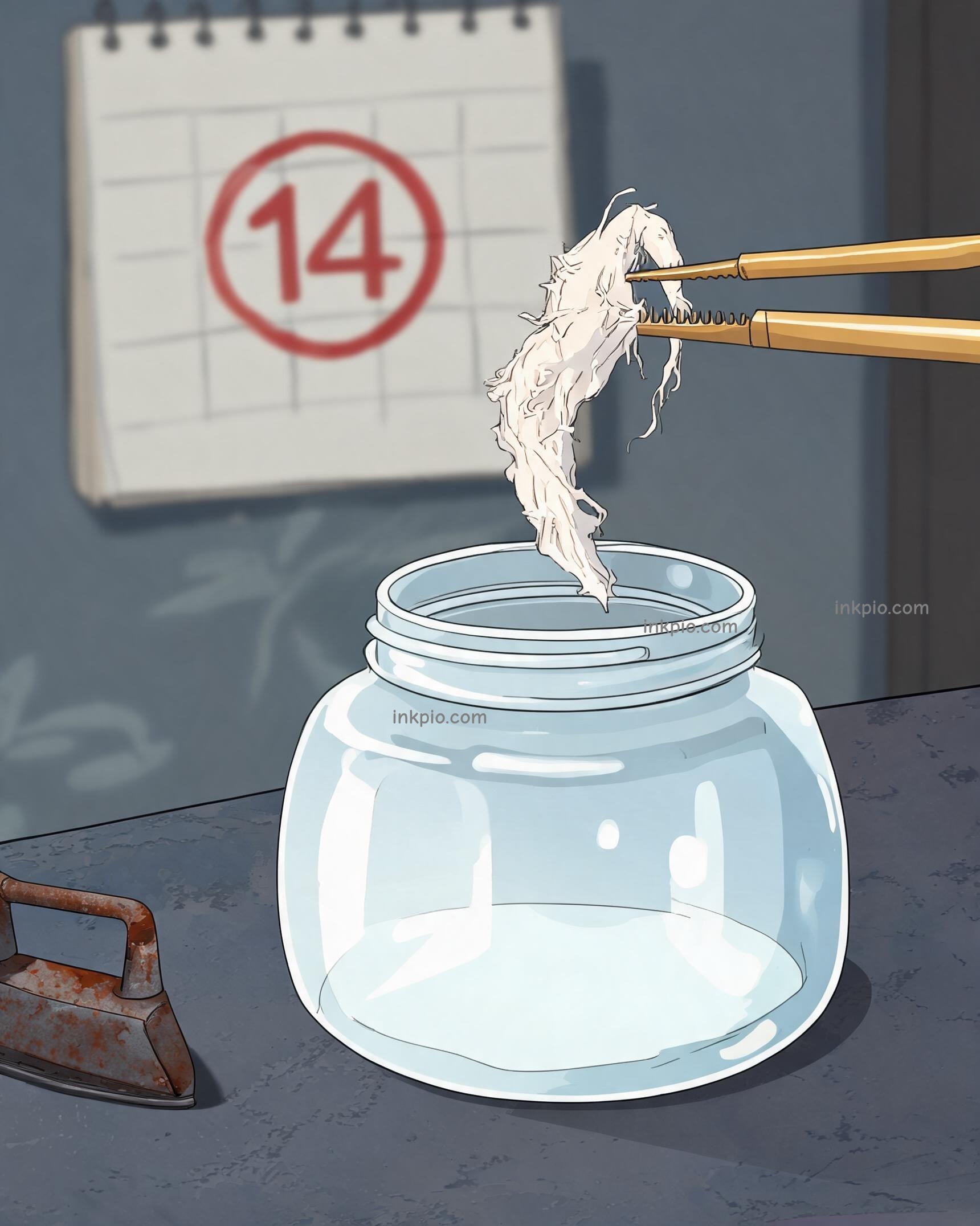

The door to Louis Pasteur’s laboratory did not open; it burst inward. On July 6, 1885, the air in the room shifted from the sterile quiet of science to the raw panic of a mother’s desperation. She clutched nine-year-old Joseph Meister, his arms and hands torn into ragged flesh by the teeth of a mad dog. The village doctor had already washed his hands of them, offering only the grim certainty that rabies was a death sentence. In that era, the standard remedy was cauterization—burning the wounds with red-hot iron to sear the poison out. But Pasteur looked at the boy’s trembling form and knew the invisible enemy had already slipped past the skin, racing toward the brain. Fire would only add agony to an inevitable end.
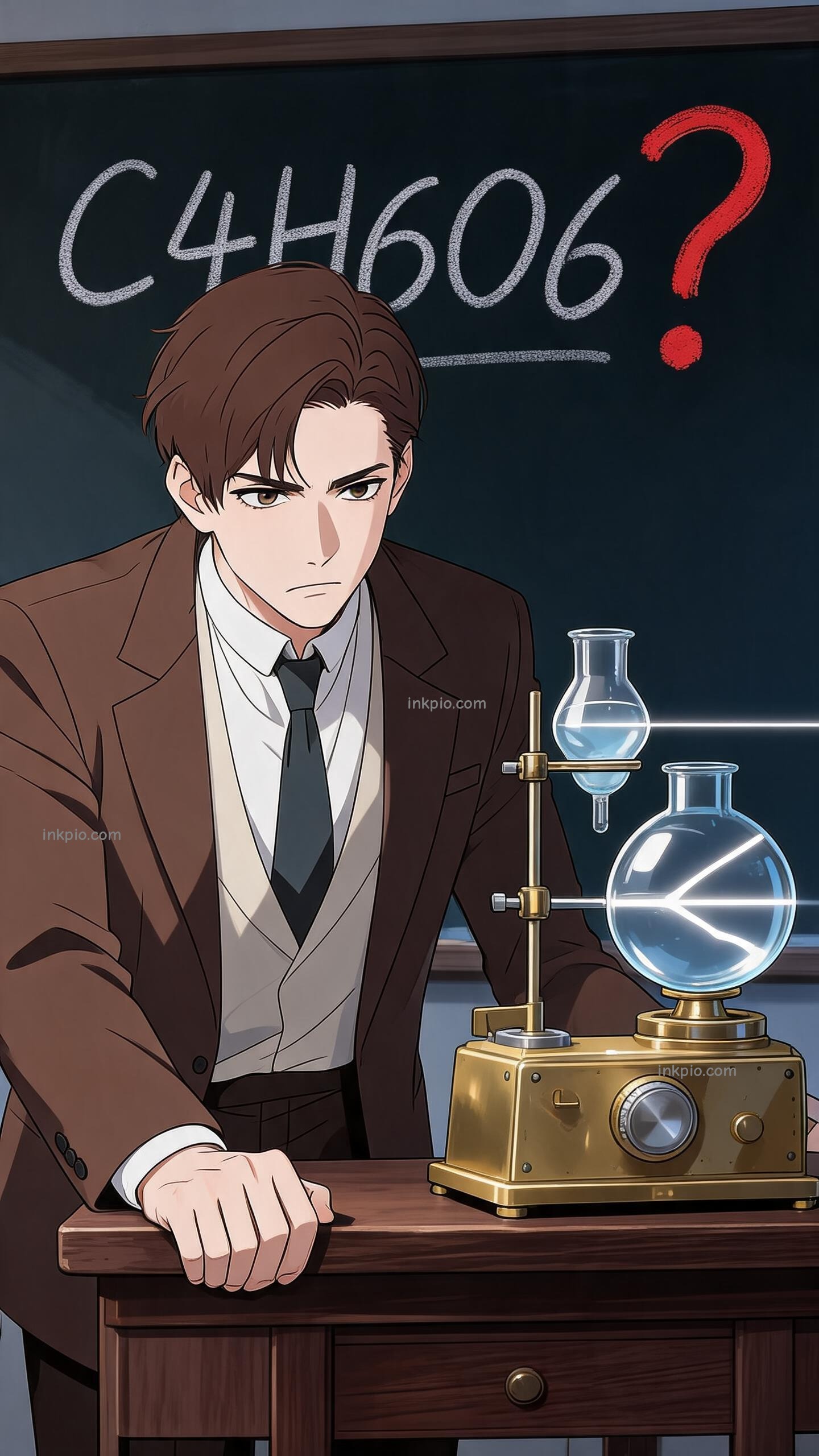
Pasteur felt the weight of his own reputation pressing against his ribs. He was a chemist, not a physician. To treat a human subject with an untested vaccine was to risk not just the boy’s life, but his entire career and the trust of the scientific community. Yet, looking at the mother’s hollow eyes, he realized that doing nothing was the greater sin. He turned away from the surgical tools and toward a row of glass jars sitting on a shelf. Inside lay infected rabbit spinal cords, suspended in dry air. This was his gamble: let time weaken the enemy.
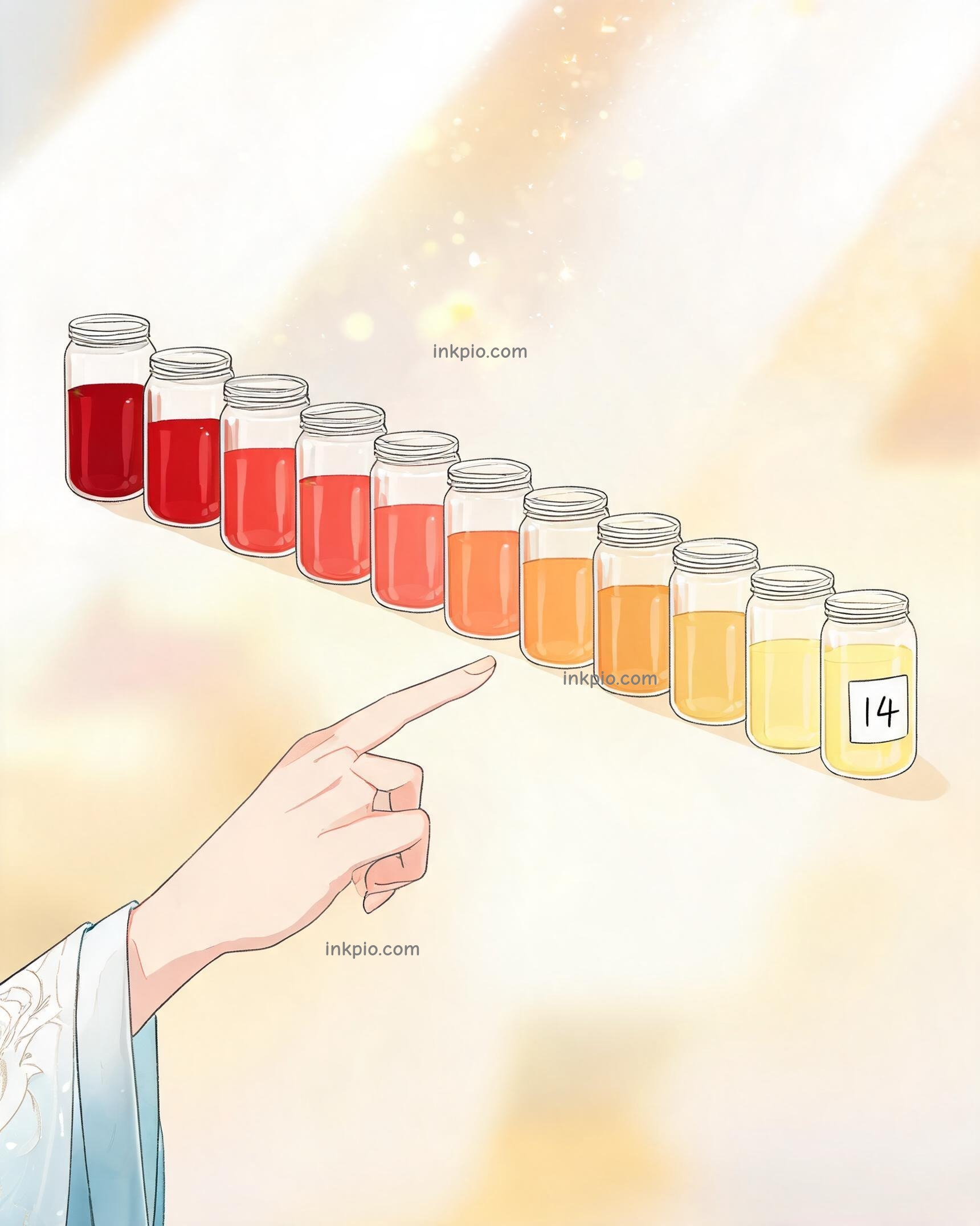
For fourteen days, the drying air had stripped the virus of its lethal bite while leaving its outer shell intact. Pasteur imagined the process as a silent lesson. It was like showing a guard dog the silhouette of an intruder before the real thief arrived. By day fourteen, the material was harmless to touch, yet it carried the exact shape the body needed to memorize. He had to teach Joseph’s blood to recognize a killer it had never seen.
The treatment began with a terrifying precision. Pasteur selected the oldest, driest cord from the back of the shelf—the one weakened by two weeks of decay. He injected this attenuated material into Joseph. Then, he waited. The silence in the lab was heavy, broken only by the scratch of his pen recording the boy’s vitals. Day by day, Pasteur moved forward along the timeline. He injected material from day twelve, then day ten, gradually introducing stronger doses. Each shot was a calculated risk, handing the boy’s immune system more information, training it to spot the pathogen before it could lock onto the nervous system.
Pasteur trusted the calendar more than his own nerves. He watched for every fever, every shiver, knowing a single miscalculation in the dosage or timing could turn the cure into a catalyst for the disease. The mother sat in the corner, her hands clasped so tightly her knuckles turned white. She did not speak; she only watched the rise and fall of her son’s chest. For thirteen days, the tension in the room was a physical thing, thick and suffocating. Would the spasms come? Would the hydrophobia set in?
But the terrible convulsions never arrived. Joseph’s blood had learned the lesson. It recognized the invader’s shape, locked onto it, and swept it away while the nervous system remained untouched. The virus, once a guaranteed executioner, was neutralized by the very defenses it had triggered. When the final injection was given, the danger had passed.
Pasteur capped his inkwell. The sound was small, but in the quiet room, it felt like a period at the end of a long, frightening sentence. He leaned back in his chair, listening to the steady, rhythmic breathing of the boy who should have been dead. There was no applause, no immediate acclaim. Just the profound relief of a disaster averted. A week later, Joseph walked home, his scars healing. In the lab, the row of glass jars stood silent on the shelf. They were simple vessels, yet they had quietly taught the human body how to fight back against the dark.