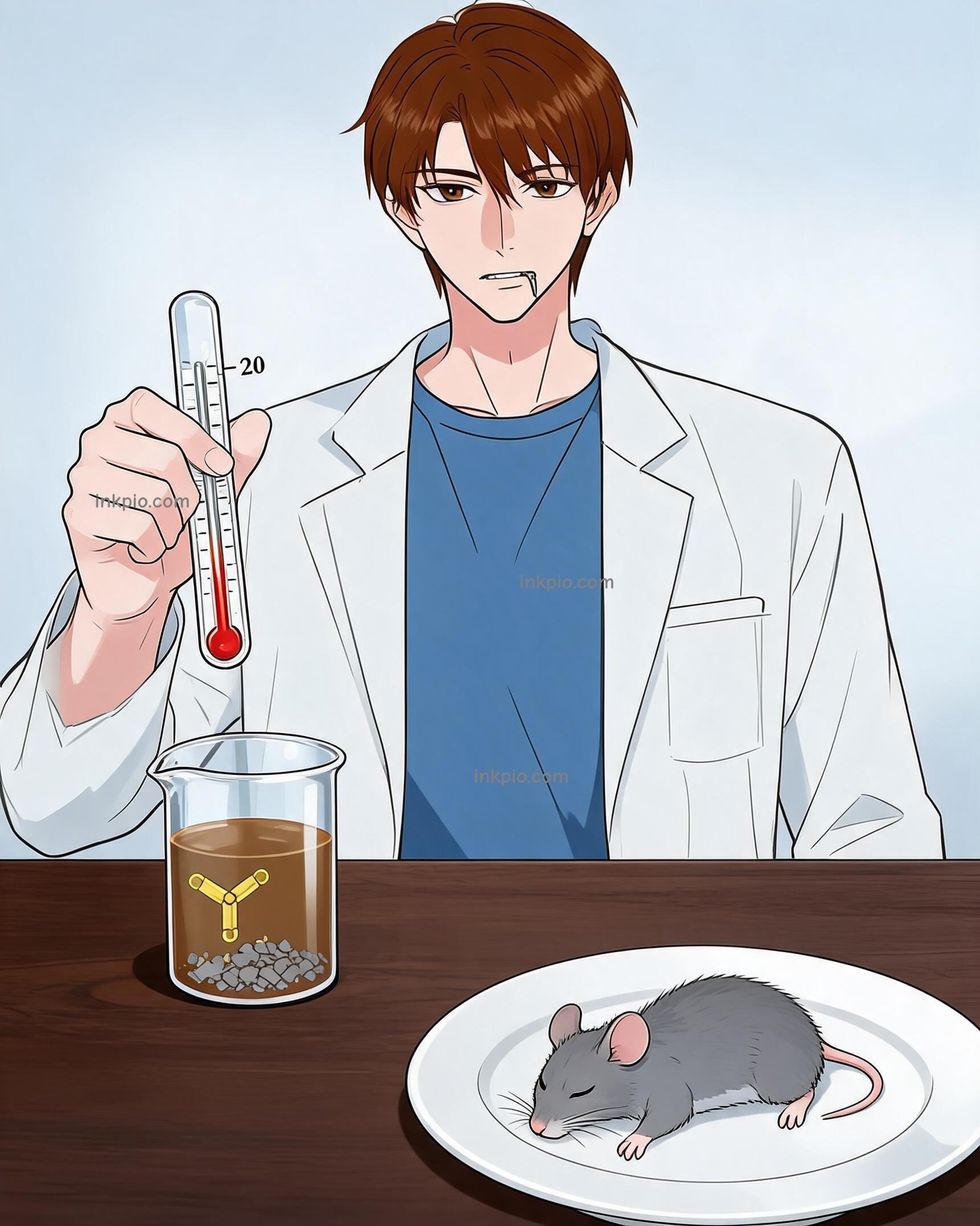

Penicillin could save lives, yet it refused to exist in a form that doctors could use. In 1940, the air in Howard Florey’s Oxford laboratory hung heavy with the scent of failure. Florey stared at a dead mouse on his desk, its body still warm from the infection that had killed it despite the treatment. Next to the carcass sat a jar of murky brown broth, the crude mold extract that held the cure but also carried enough toxic impurities to poison a human. The team had proven the concept worked, but the molecule was too fragile for standard purification. Heat would destroy it; harsh chemicals would break it. They were holding a miracle that dissolved in their hands.
Norman Heatley watched the ruined batches pile up, feeling the weight of every wasted hour. He wasn't just looking at chemical formulas; he was looking at a personality. Penicillin acted like a weak acid, a shy creature that changed its hiding spot based on its surroundings. Heatley realized this temperamental behavior was not a flaw, but a key. In an acidic environment, the molecule would shed its affinity for water and jump into an organic solvent like amyl acetate. In a basic environment, it would reject the solvent and return to the water. It was a molecular game of hide-and-seek, and Heatley decided to play along.
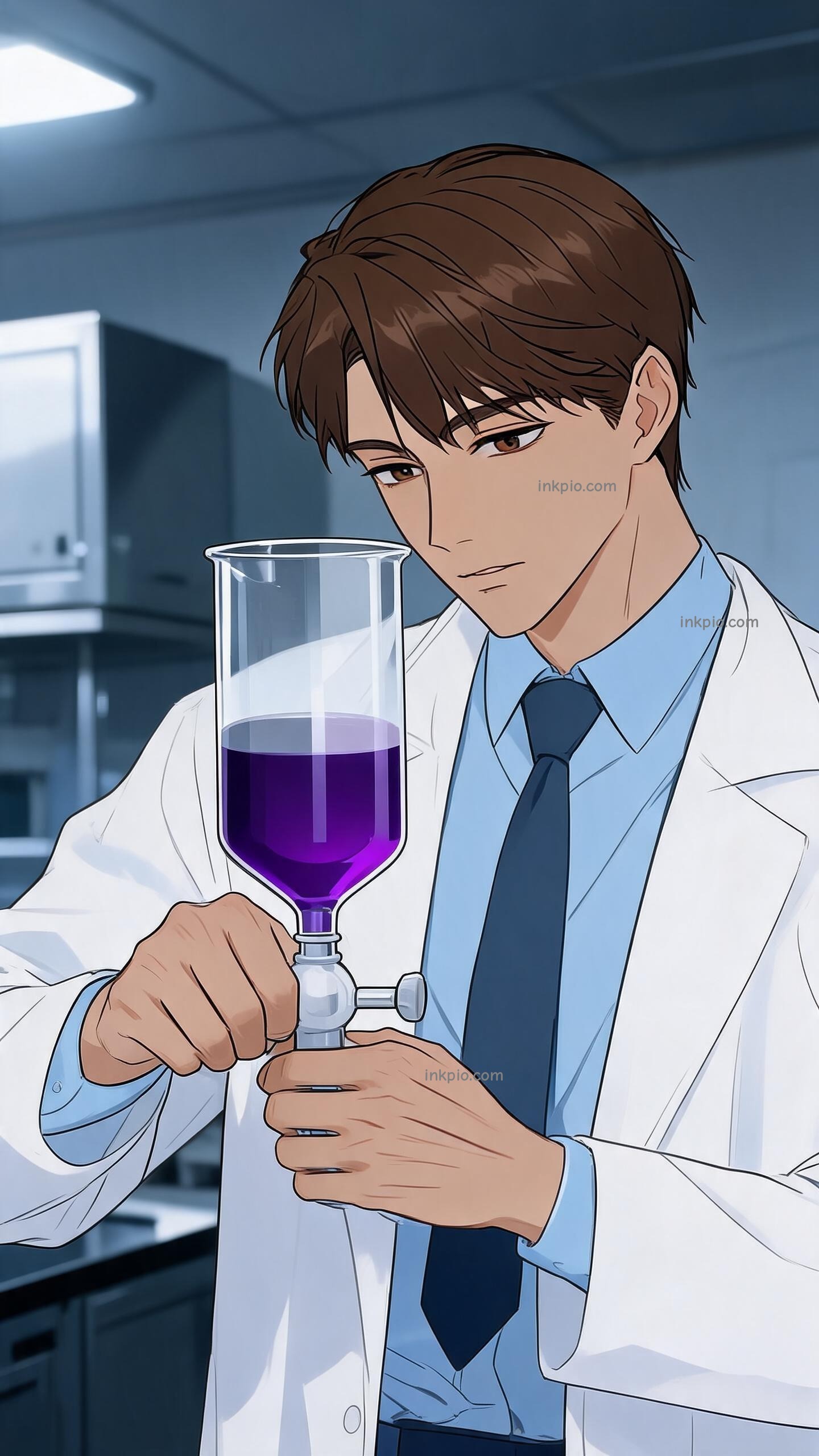
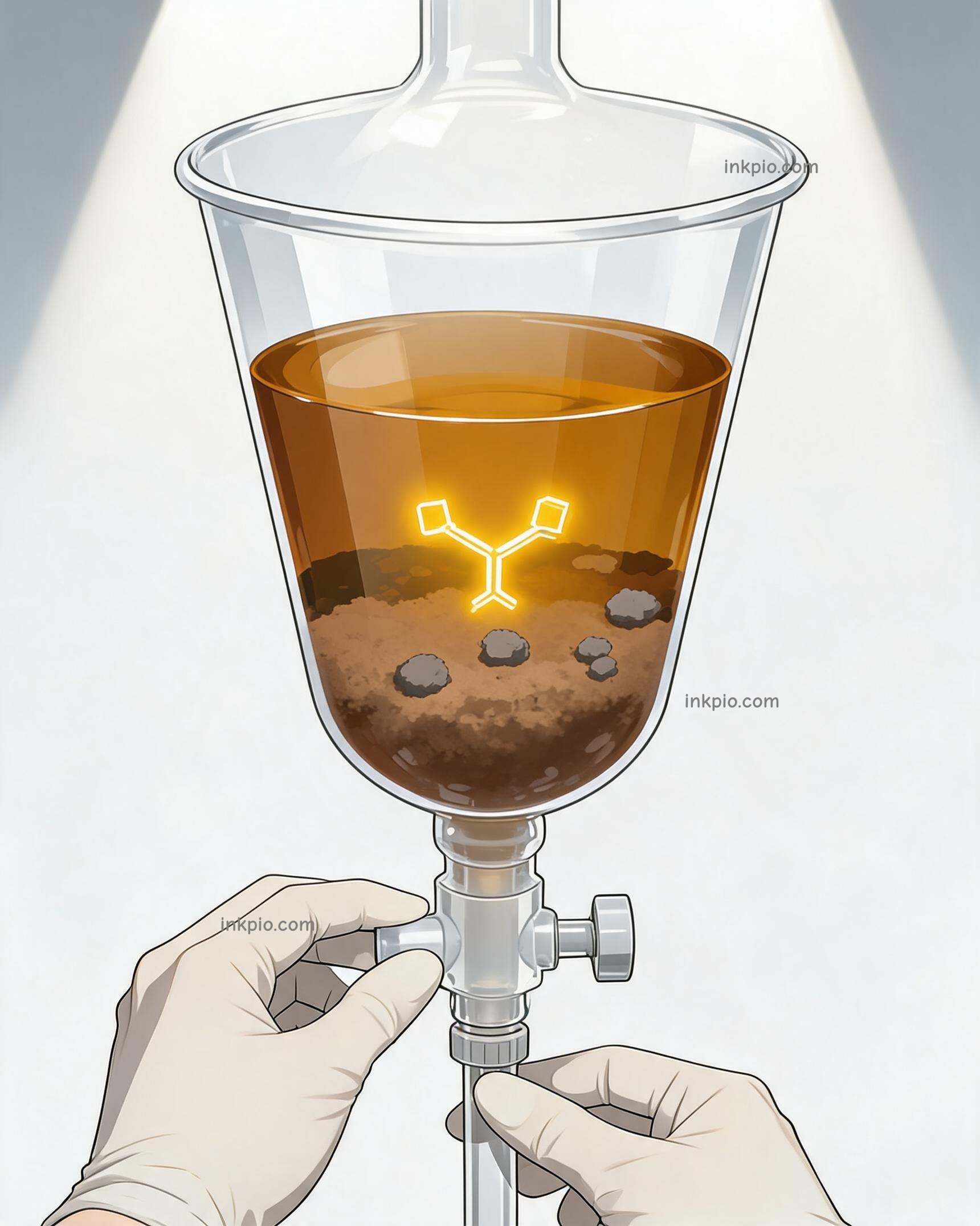
The solution required a cold room, a place so chilling that breath misted in the air. Heatley dragged a heavy glass separatory funnel into the freeze, his fingers numb against the slick glass. He poured the brown sludge into the vessel, lowered the pH, and began to shake. The motion was rhythmic, almost desperate. Inside the glass, the penicillin migrated, leaving the dirty water and solid waste behind to settle at the bottom. He opened the valve, draining the toxic junk away, keeping only the solvent layer that now held the precious, invisible drug.
But the work wasn't done. Heatley raised the pH of the solvent and added fresh, pure water. He shook the funnel again, watching the layers swirl. This time, the penicillin abandoned the organic solvent, jumping back into the clean water. It left the chemical trash behind for good. This back-extraction dance was delicate; one wrong move, one temperature spike, and the molecule would shatter. Heatley worked in silence, guided only by the knowledge that this fragile shift in acidity was the only thing standing between life and death.
The next morning, the cold room felt different. Howard Florey walked in, his boots echoing on the metal floor. He stopped at the bench where Heatley had left the final product. Sitting there was a small glass vial, pristine and clear. The liquid inside held no trace of the original brown sludge, no hint of the toxicity that had plagued them for months. It looked like ordinary water, but they knew it was concentrated hope.
Florey rested his heavy hands on Heatley’s shoulders. Neither man spoke. There was no need for celebration or grand declarations. They simply stood in the freezing air, staring at the tiny bottle. For the first time, the magic had a home. It was stable. It was pure. And as the condensation formed on the outside of the vial, they both understood that the long, dark winter of infection might finally be ending.