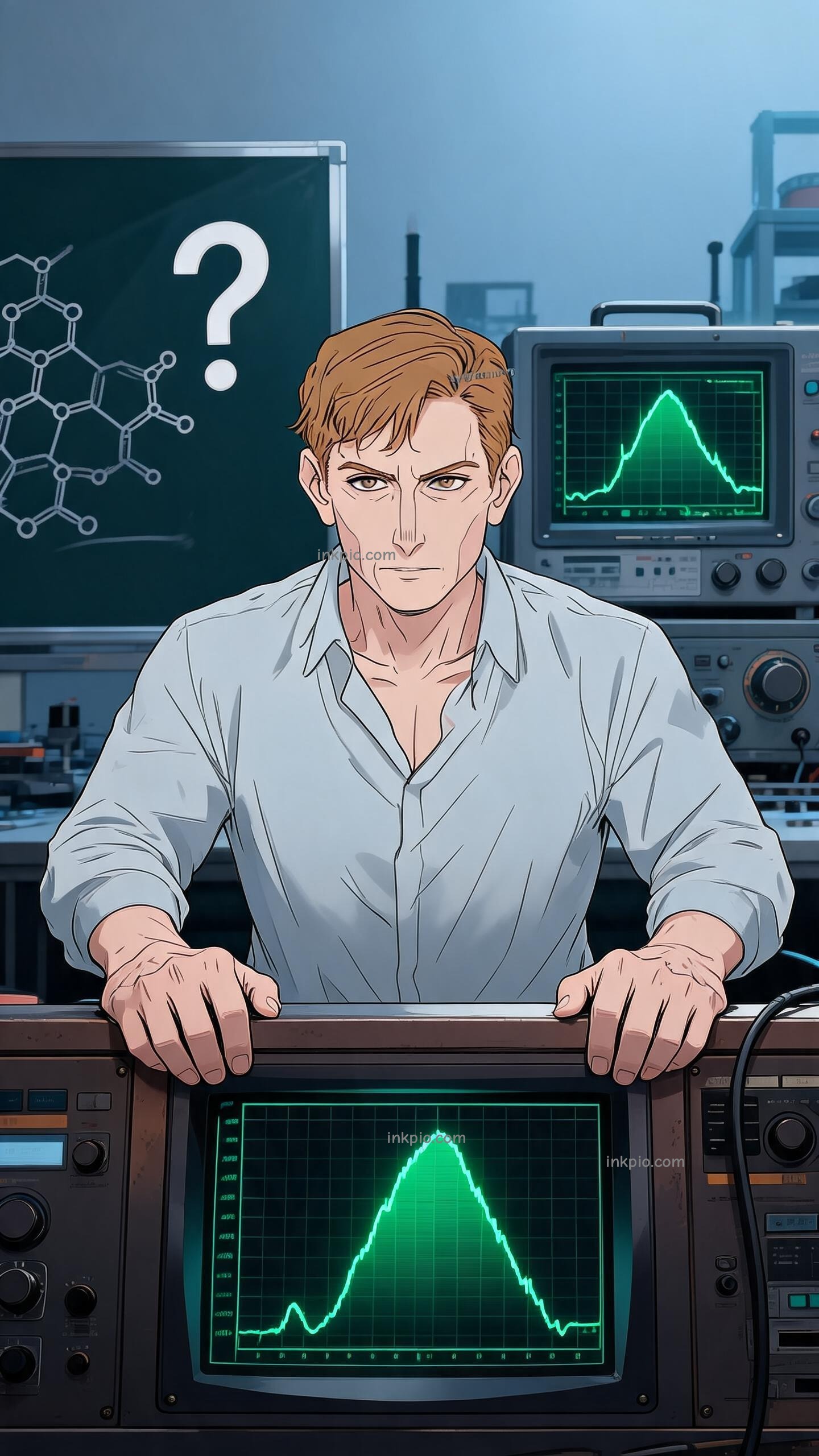
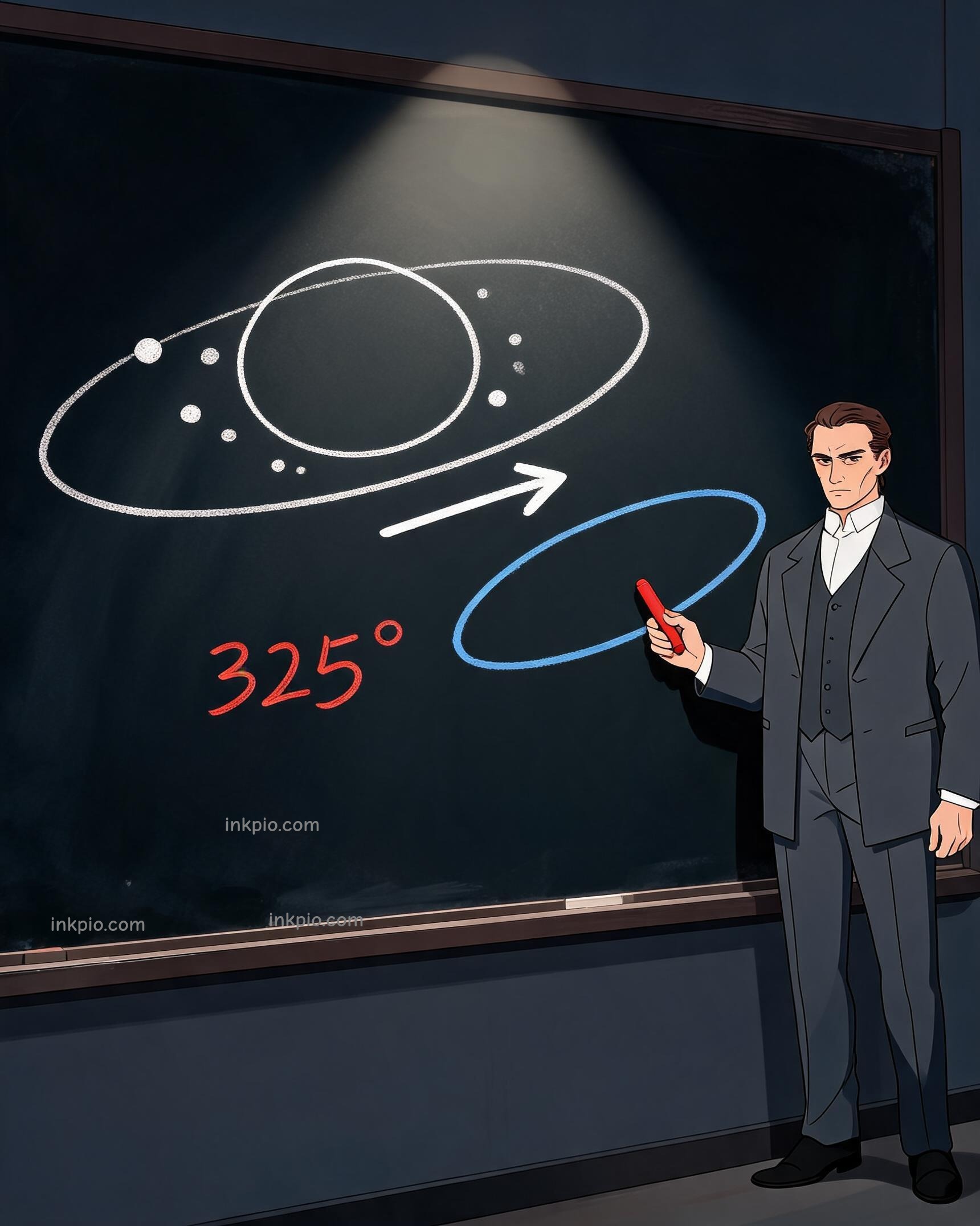

Uranus was a rebel. It drifted away from its predicted path, treating Isaac Newton’s laws of gravity like suggestions rather than rules. For decades, astronomers watched this celestial disobedience with growing unease. Some blamed their instruments, claiming the telescopes were too flawed to capture the truth. Others whispered that gravity itself might weaken at the solar system’s edge, a terrifying thought that threatened to unravel the fabric of known physics.
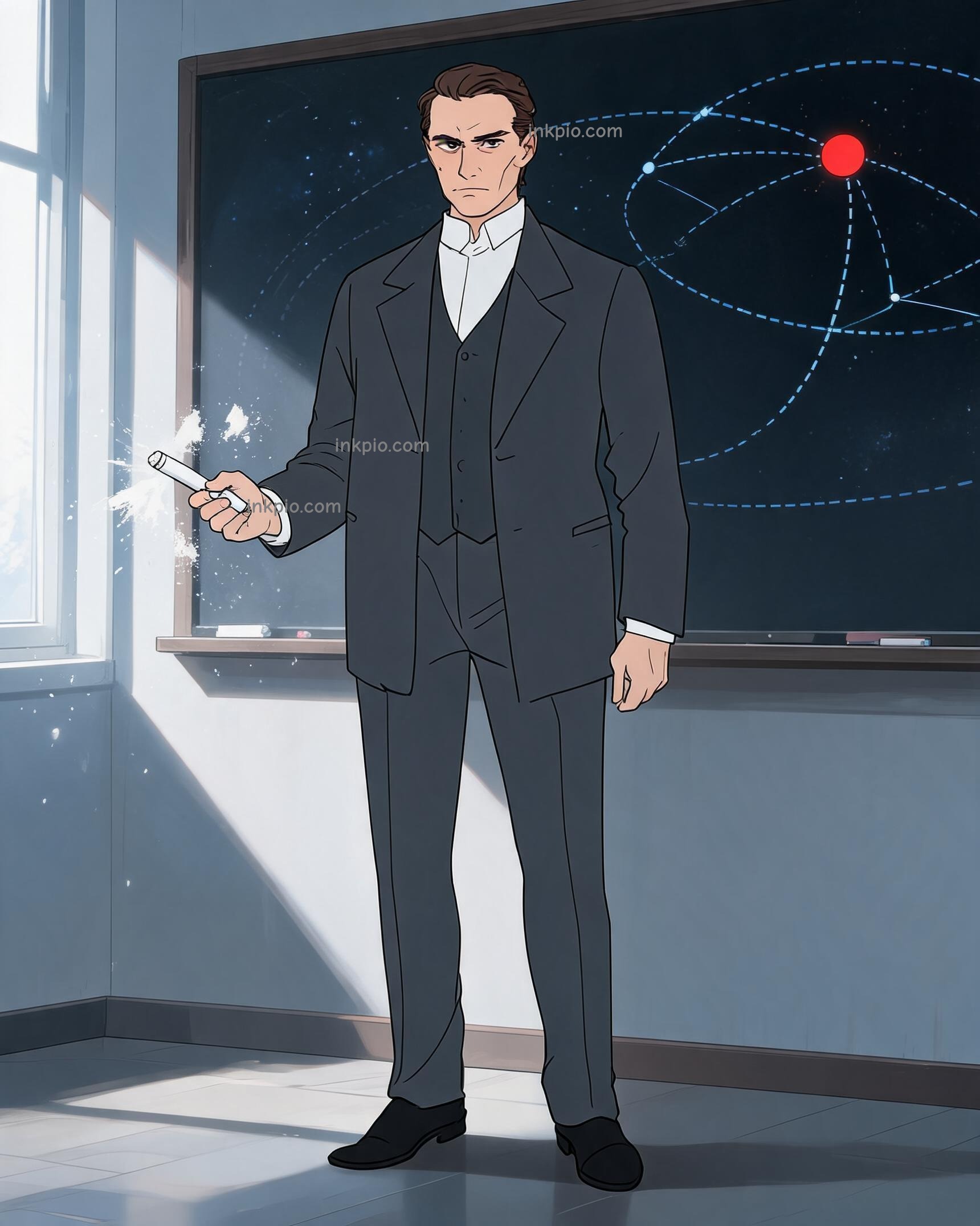
Urbain Le Verrier refused to accept such chaos. To him, the universe was not a place of random whims but a clockwork mechanism governed by absolute logic. If the math said Uranus should be here, and it was there, then something unseen was interfering. He felt a cold, obsessive need to prove that order still existed. He suspected a ghost—a massive, invisible body pulling the strings from the dark.
Think of walking a dog in a park. If the leash suddenly jerks hard to the left, you do not assume the laws of physics have broken. You assume another dog, hidden in the bushes, is tugging on the collar. Le Verrier applied this same intuition to the heavens. He took the known mass of the sun and the precise, stubborn deviations of Uranus as his only clues. Then, he began the grueling work of reverse-engineering the invisible tug.
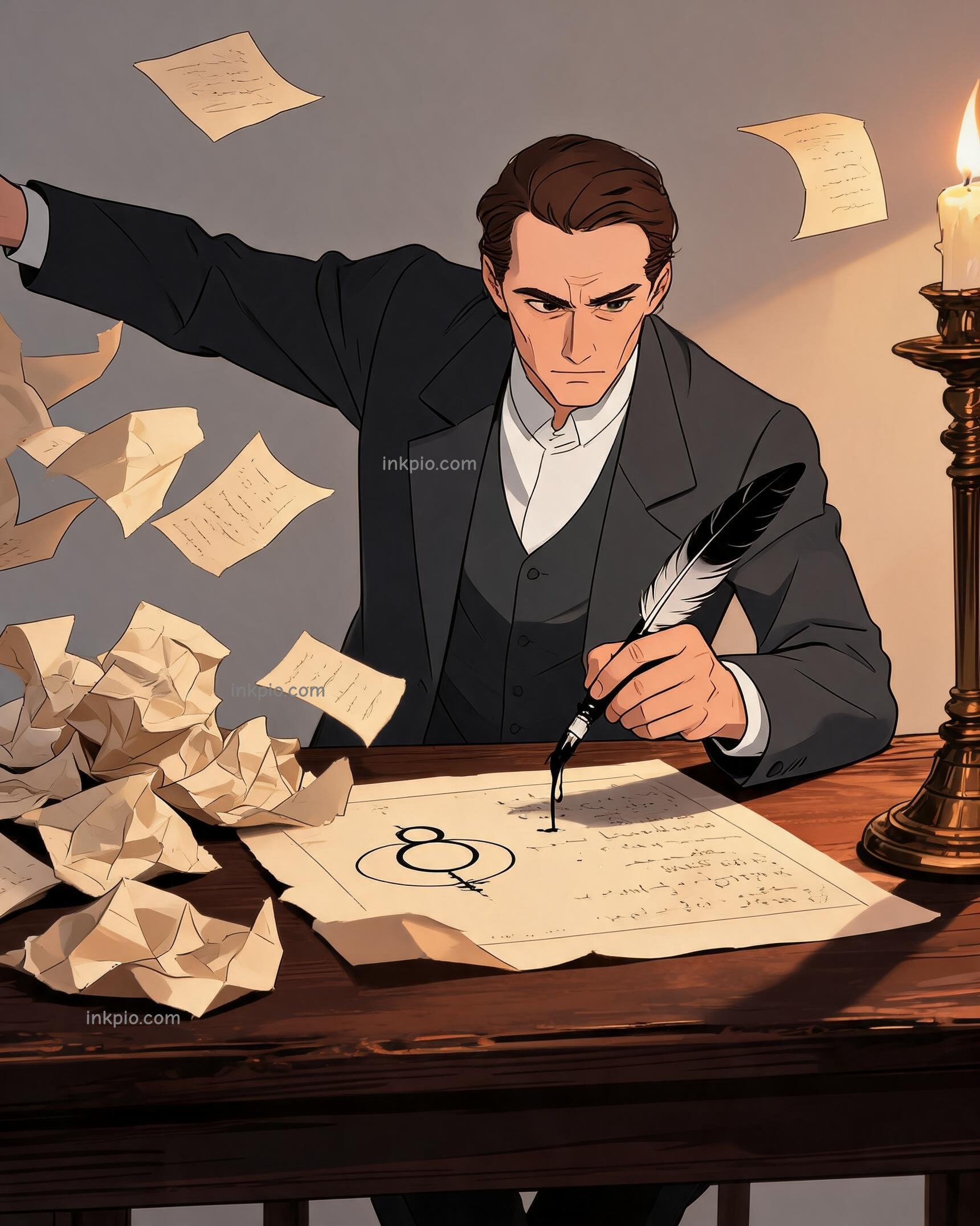
The mathematics were a nightmare. Perturbation equations demanded endless corrections for every tiny wobble in Uranus’s orbit. For months, Le Verrier isolated himself in a cold Parisian room. His desk became a landscape of crumpled paper and ink-stained fingers. The silence in the room was heavy, broken only by the scratch of his pen. He was not just calculating; he was fighting for the validity of human reason against the void.
Doubt was a constant companion. Every calculation carried the risk of being another dead end, another proof of his own folly. Yet, he pressed on, driven by a quiet desperation to find the source of the disturbance. He needed to know that the universe made sense. Finally, after countless nights of exhaustion, the numbers aligned. He derived the exact coordinates where the phantom planet had to be hiding.
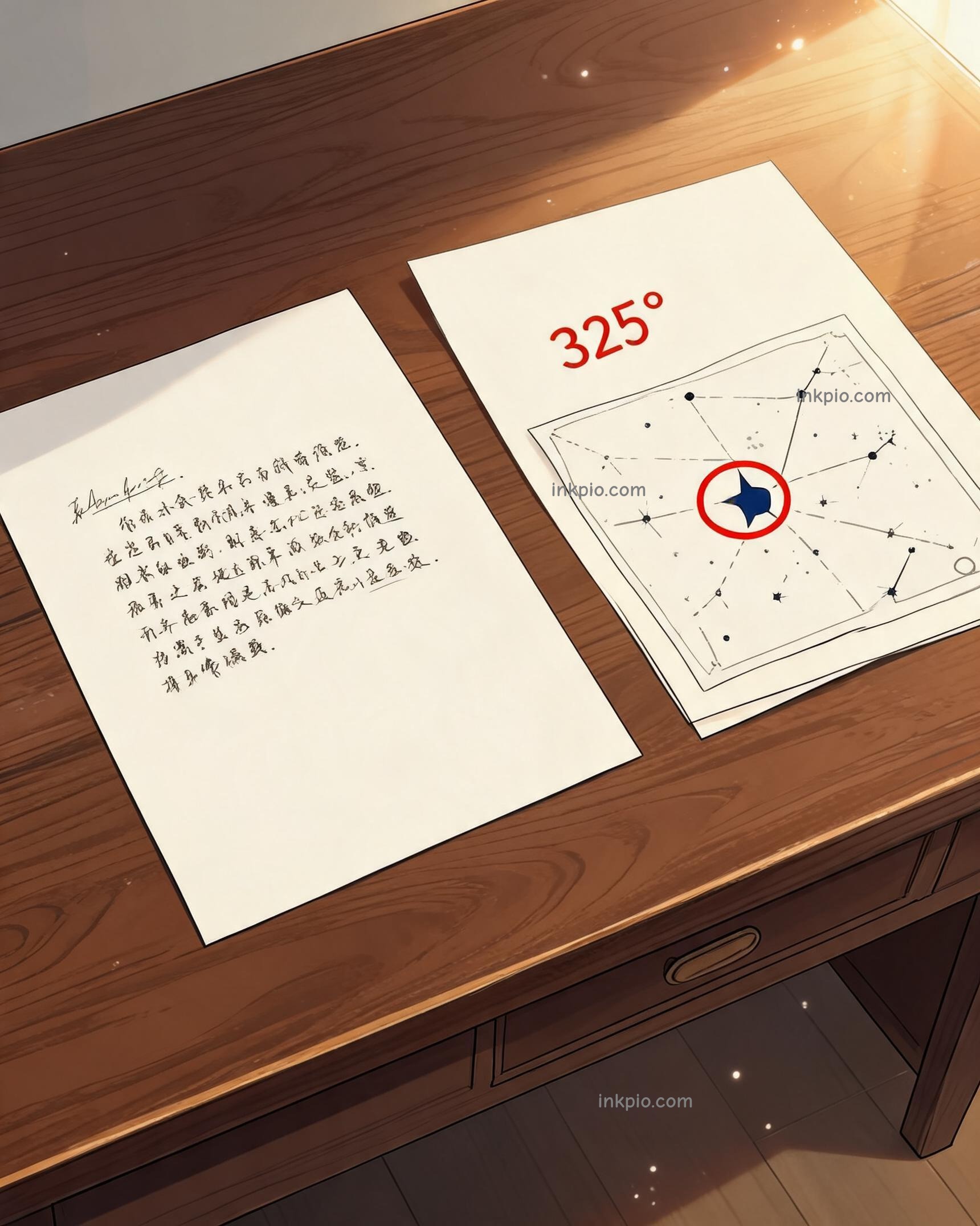
With trembling hands, he packaged his prediction and sent it across the border to Johann Gottfried Galle at the Berlin Observatory. The letter contained no plea for belief, only a set of coordinates and a challenge. Le Verrier could do no more. He had to wait, alone in Paris, while strangers in Berlin pointed their eyes toward the dark.
Weeks passed. The silence from Berlin was deafening. Then, a letter arrived. Galle had pointed his telescope at the exact spot Le Verrier specified. Within a single degree of the prediction, a bright blue dot stared back through the lens. It was not a star. It was a world.
Galle’s reply was brief, stripping away any drama to reveal the stark magnitude of the achievement: "Monsieur, the planet pointed out by you was observed on the same day." In that moment, the invisible became visible. Le Verrier sat in his quiet room, the crumpled papers still surrounding him. He had not looked through a telescope. He had not traveled to the stars. He had simply trusted the logic of a pencil tip to hook a wandering world.