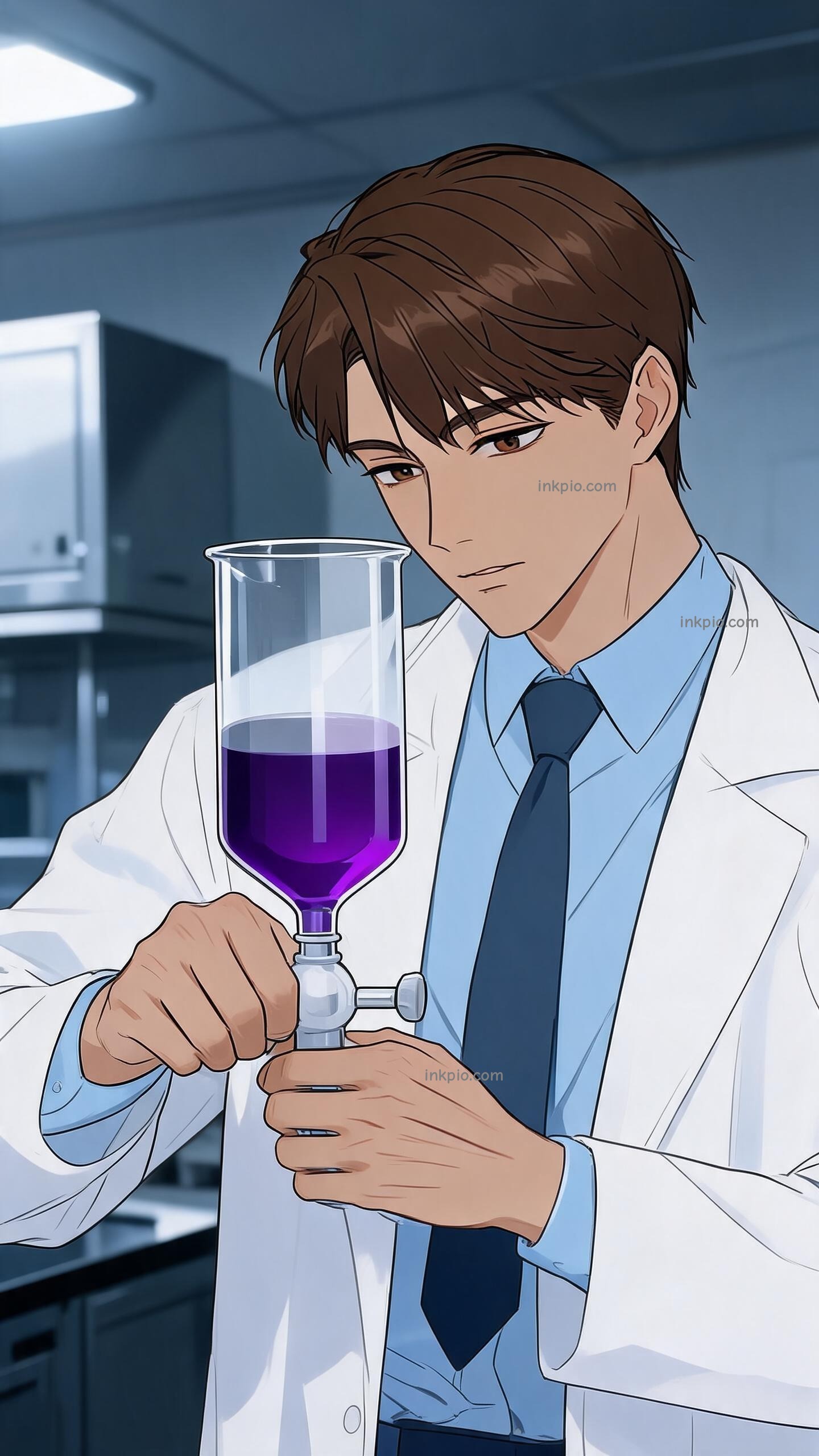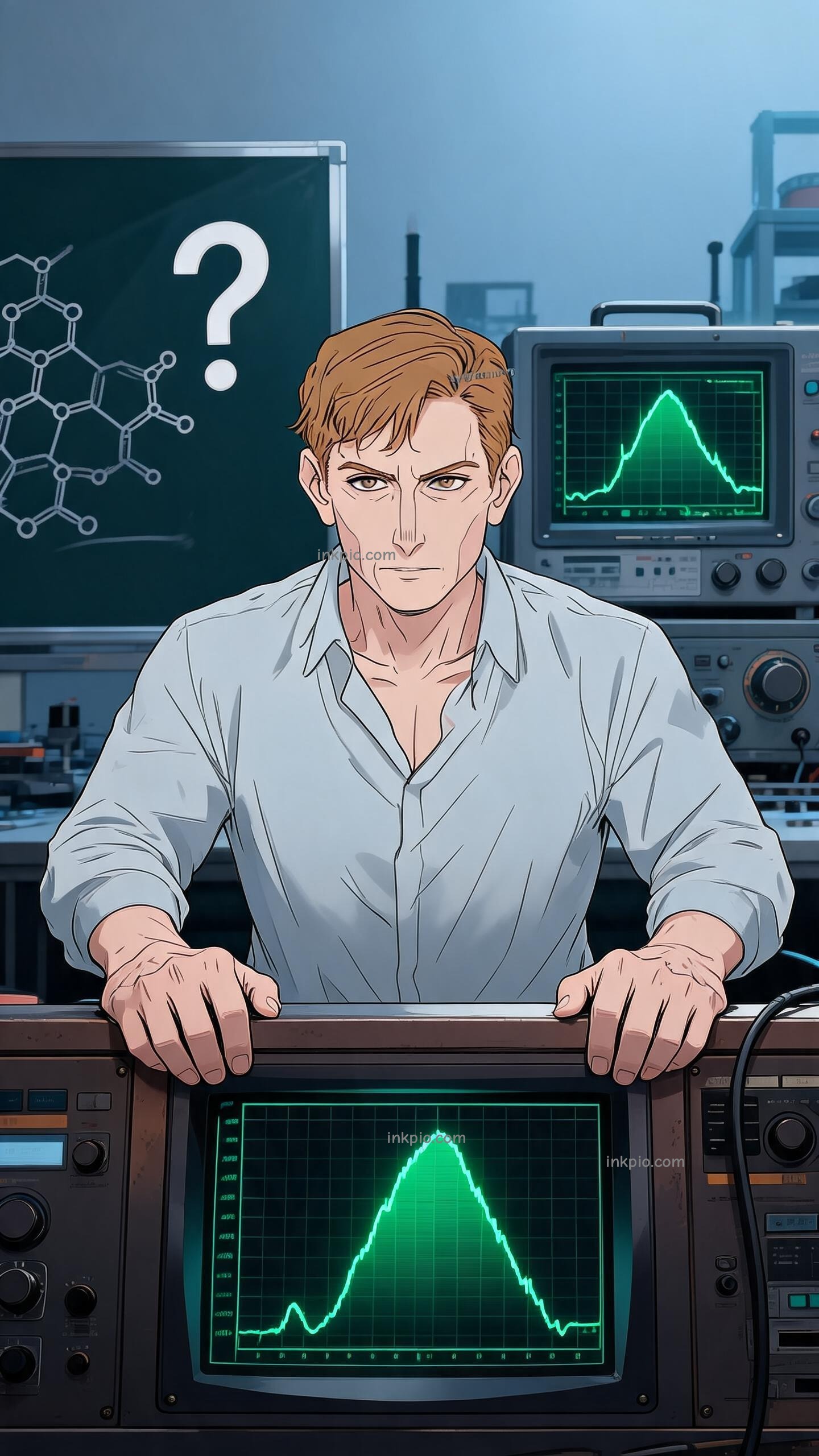

The silence in the laboratory was heavy, broken only by the rhythmic clinking of glassware. Outside, Tokyo buzzed with life, but inside Sankyo Pharmaceutical, Akira Endo felt a different kind of pressure. It wasn't just professional ambition; it was a quiet dread. In the early 1970s, heart disease was a silent epidemic sweeping through Japan. Friends, colleagues, and neighbors were dropping dead without warning. The existing drugs to lower cholesterol were brutal, causing side effects so severe that patients often stopped taking them. Endo knew he couldn't rely on the pharmacy shelves. He had to look elsewhere.
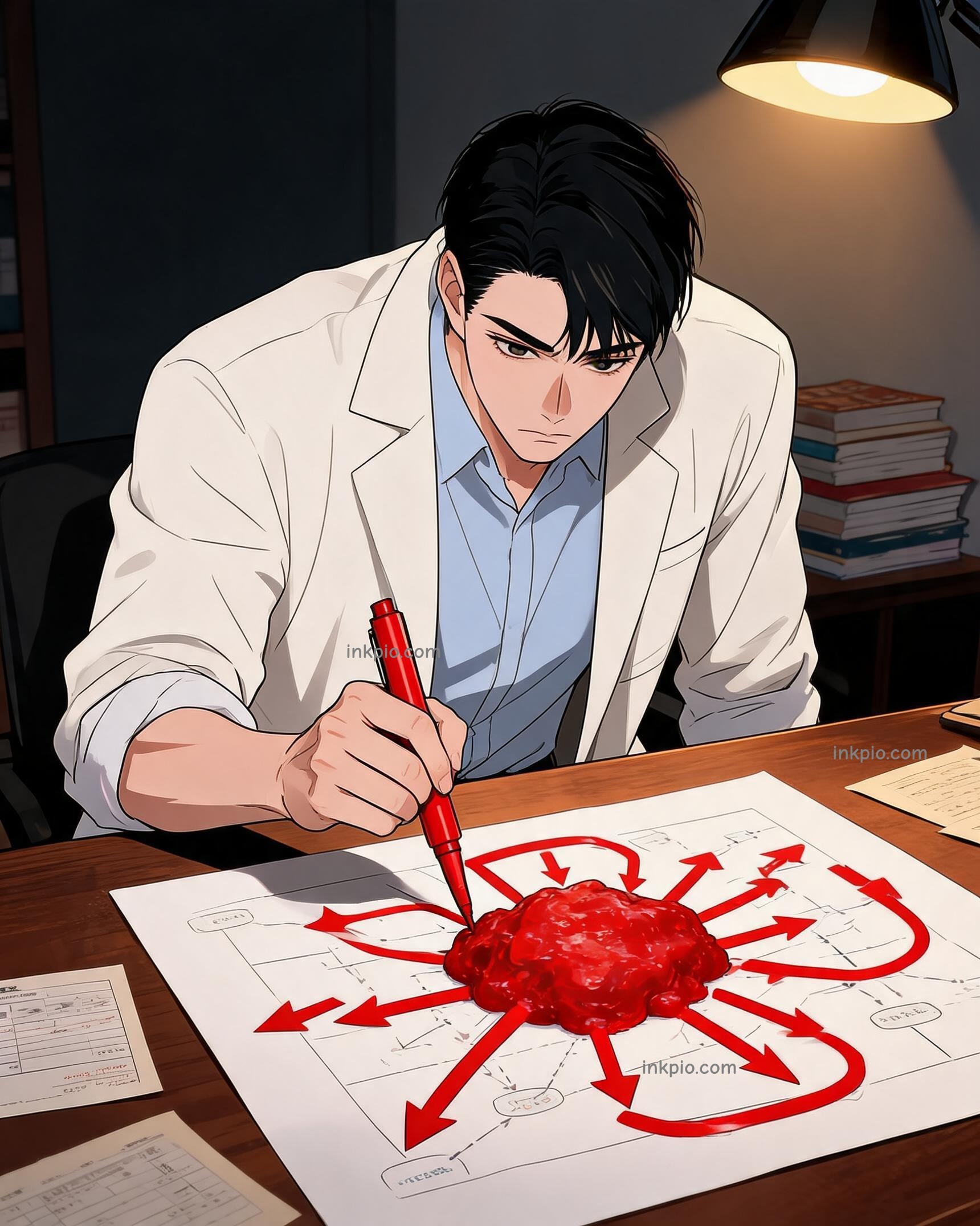
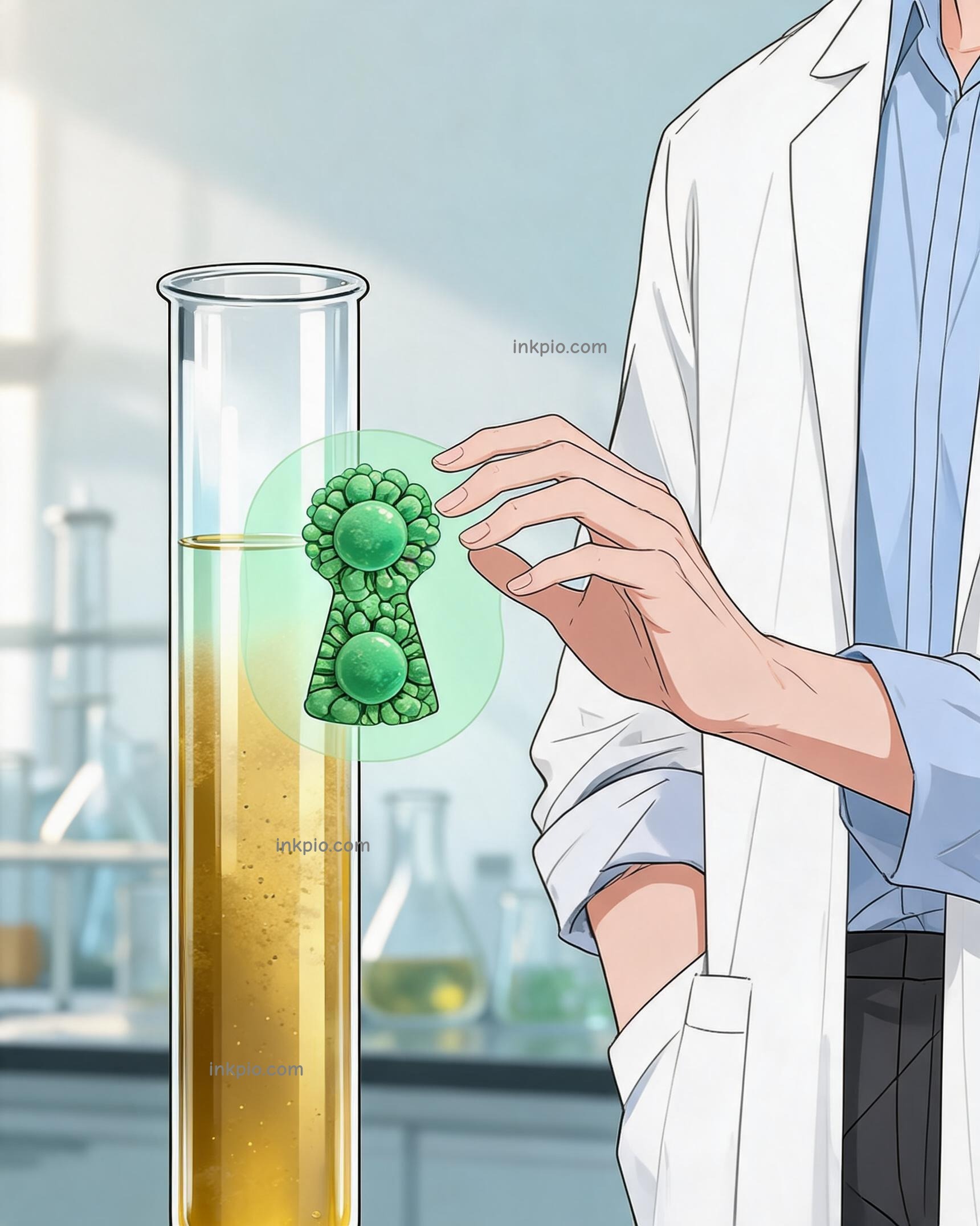
He turned his gaze downward, to the dirt. Endo hypothesized that fungi, locked in eternal chemical warfare with bacteria in the soil, might hold the key. To survive, they spit out molecules to block their competitors' growth. If a fungus could stop a bacterium from building its cell wall, maybe it could stop a human liver from building cholesterol. It was a gamble based on nature's cruelty, but it was the only lead he had. He focused on a single enzyme: HMG-CoA reductase. Think of it as a turnstile in a factory. Raw materials pass through it to become waxy cholesterol. Endo’s plan was to jam that turnstile.
For months, the lab became a world of monotony. Endo collected soil samples from remote corners of Japan. He cultured hundreds of fuzzy mold colonies in glass dishes, each one a potential savior or a dead end. His assistants watched him work with a mix of admiration and concern. They saw the fatigue in his eyes, the way he stared at the petri dishes long after the lights dimmed. Most tests failed. The reactions spun along, indifferent to his efforts. The tubes remained clear, the enzymes active, the cholesterol flowing. Doubt began to creep in. Was he chasing a ghost? Was the mechanism too complex for a simple mold to disrupt?
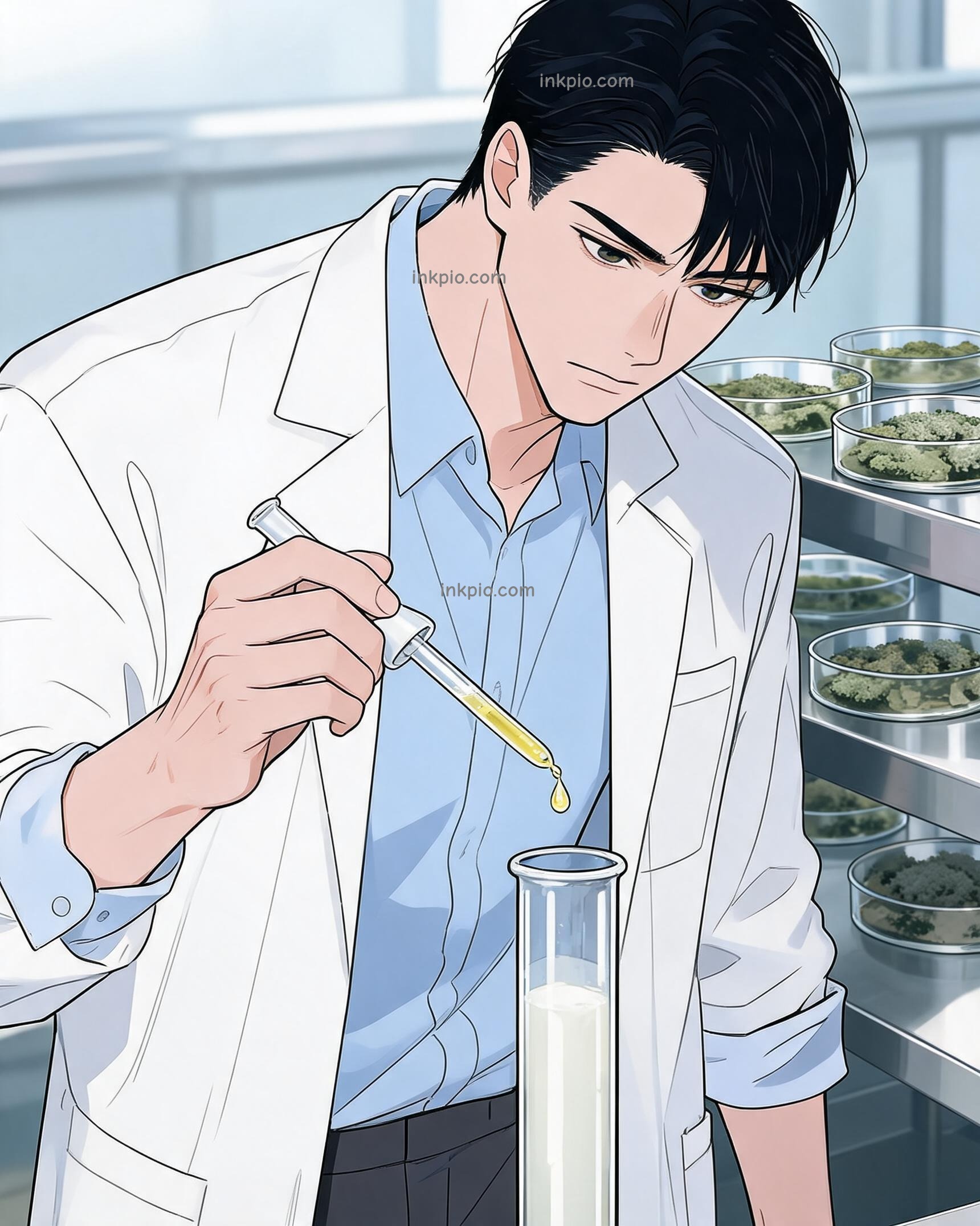
Then, in 1973, a sample from a common soil mold changed everything. It was Penicillium citrinum. When Endo pipetted its pale broth into the test tube, the reaction didn't just slow down; it halted. The molecule, later named compactin (ML-236B), hadn't destroyed the cell. It had done something far more elegant. It slipped into the enzyme’s active site, fitting perfectly like a key snapped in a broken lock. It blocked the turnstile without breaking the machine. Endo held the vial up to the light. The liquid looked ordinary, but he knew it was extraordinary. For the first time in months, the tightness in his chest eased.
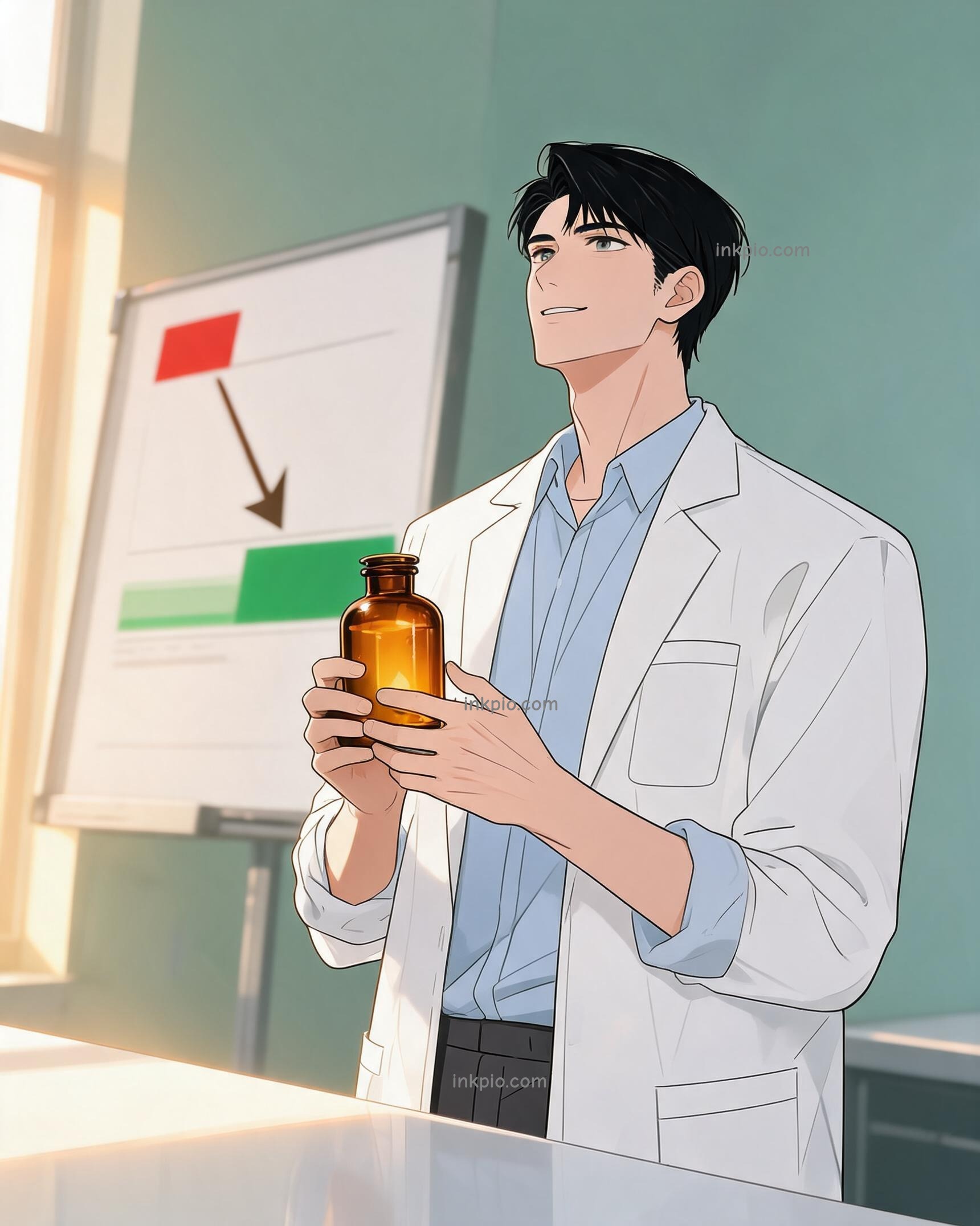
The real terror, however, lay ahead. Moving from petri dishes to human bodies was a leap of faith. Early trials in 1978 were tense. Endo waited for the blood panels, his hands steady but his heart racing. Would it work? Or would it cause the same devastation as previous drugs? The results came back. LDL cholesterol levels had dropped by over 30%. The numbers slid out of the red danger zone. It wasn't just data; it was proof. He had found a way to unclog the arteries safely.
Endo capped a small amber vial and set it on the clean bench. The lab was quiet again, but the silence felt different now. It wasn't empty; it was full of possibility. He thought about the people outside, living with the ticking clock in their chests. They didn't know his name, and they never would. But somewhere, a heart would keep beating because of this small bottle. He didn't smile. He just exhaled, a long, slow breath, and turned off the light.