
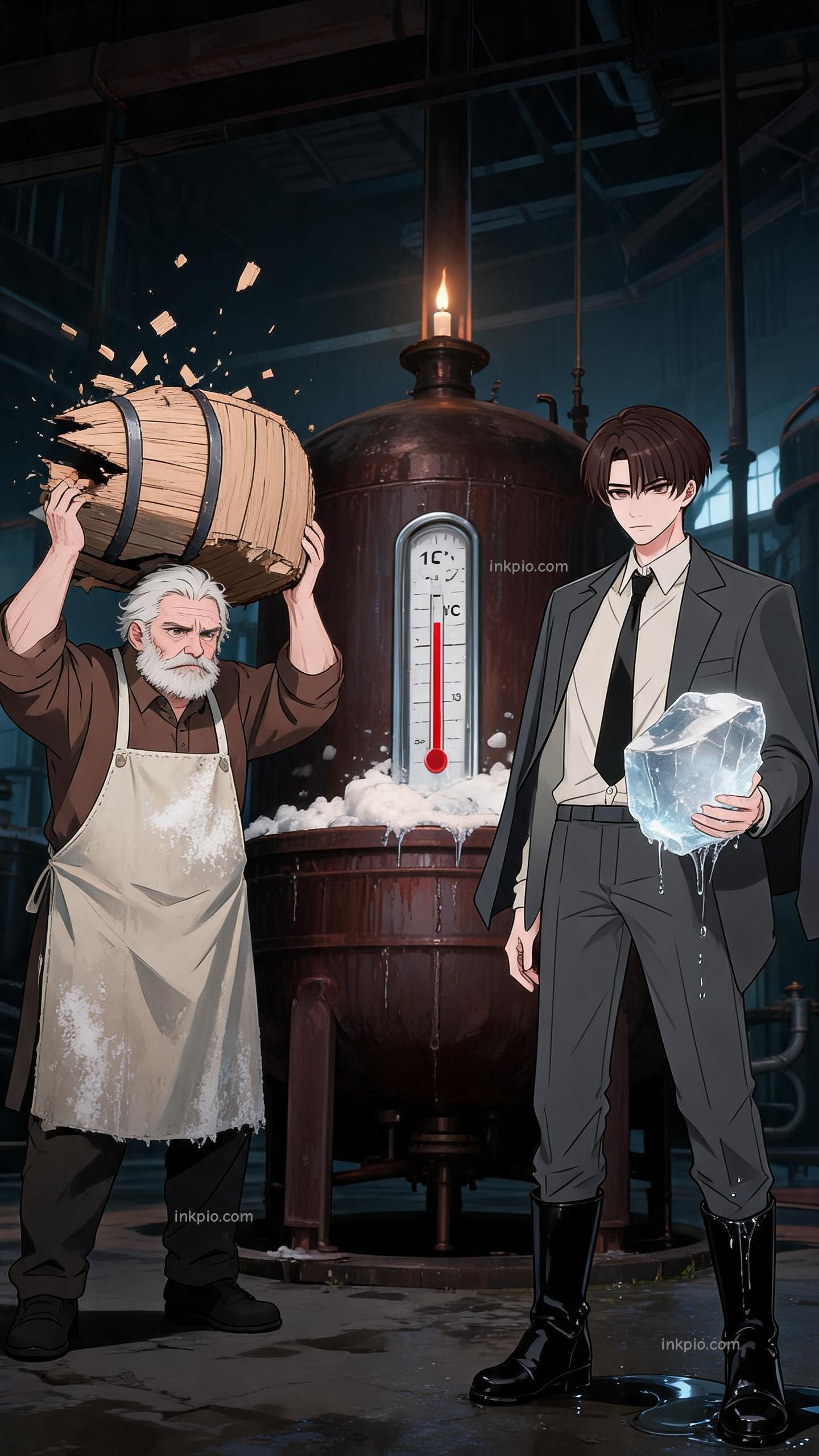

The wooden ice bucket shattered against the brewery floor, sending splinters flying like shrapnel. Carl von Linde didn’t flinch. He watched dirty water drip from a melting block of natural ice, pooling around his boots. It was 1873 in Munich, and the summer heat felt less like weather and more like a siege.
Inside the massive wooden fermentation vats, the beer was dying. At 15 degrees Celsius, the liquid bubbled with a sour, acidic foam that smelled of failure. Lager demands a strict chill between 4 and 8 degrees to ferment properly. Without it, the yeast turns erratic, producing off-flavors that no amount of marketing can hide. If this batch spoiled, the brewery wouldn’t just lose a season’s profits; it would lose its soul.
Linde knew the old ways were broken. Hauling ice from distant lakes was a losing battle against thermodynamics. He realized he couldn’t 'create' cold out of thin air. Cold is merely the absence of heat. To make something cold, you have to steal its warmth and move it somewhere else.
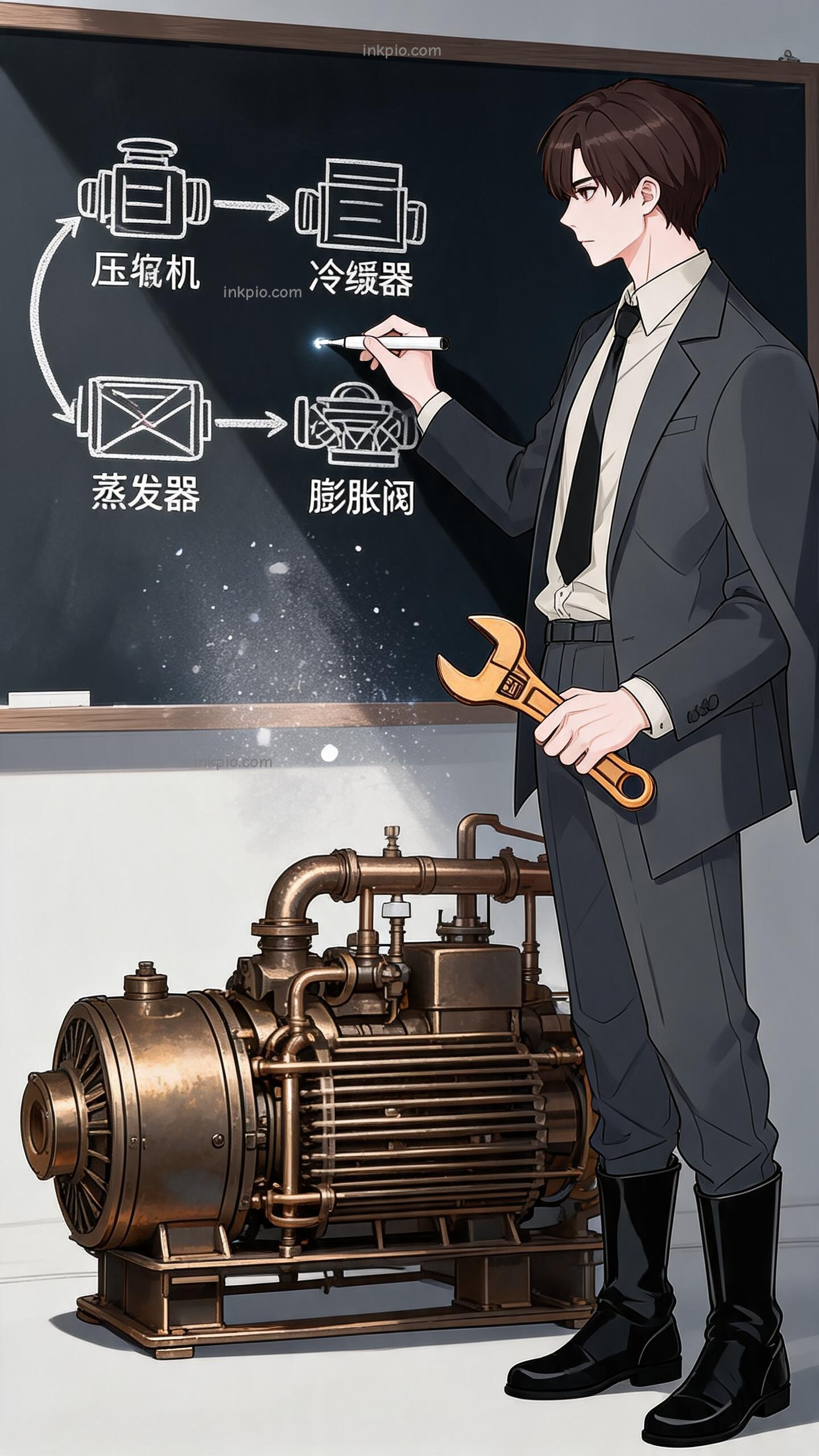
He thought of a sponge soaking up a puddle. You squeeze the sponge outside to dump the water, then put it back inside to soak up more. His machine would do exactly this, but instead of a sponge, it used ammonia gas. The physics were brutal but elegant. Squeezing the gas in a heavy compressor forced its heat out into the hot summer air. Letting the liquid expand inside the brewery pipes pulled the heat right out of the beer.
The head brewer stood by the vats, arms crossed tightly over his chest. He looked at the noisy, hissing contraption with open disdain. To him, this brass-and-iron monster was an insult to centuries of brewing tradition. He didn’t trust machines that whispered threats of explosion. He trusted winter. And winter was months away.
Linde ignored the skepticism. His hands trembled slightly, not from fear, but from the weight of the gamble. He reached for the main valve. This was the moment where theory met reality. If the seals failed, ammonia would fill the room, choking them all. If the pressure held, they might just survive July.
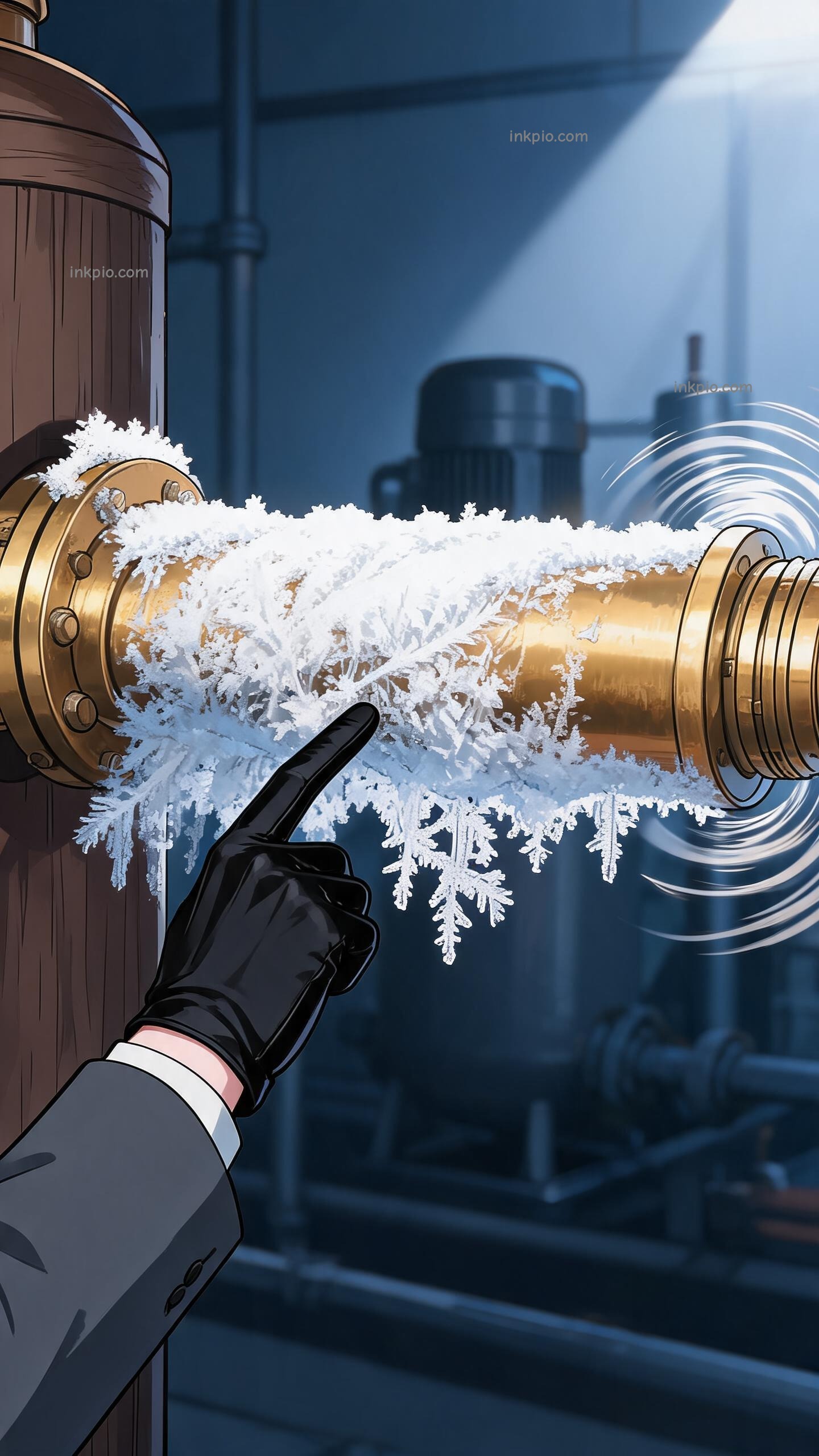
He turned the valve. Ammonia rushed through the closed system with a sharp hiss. Instantly, a thick layer of white frost crept across the brass pipes, glowing brightly against the dark, sweaty wood of the vat. The compressor pumped heat into the stifling room, making the air even heavier, while the internal pipes turned freezing cold.
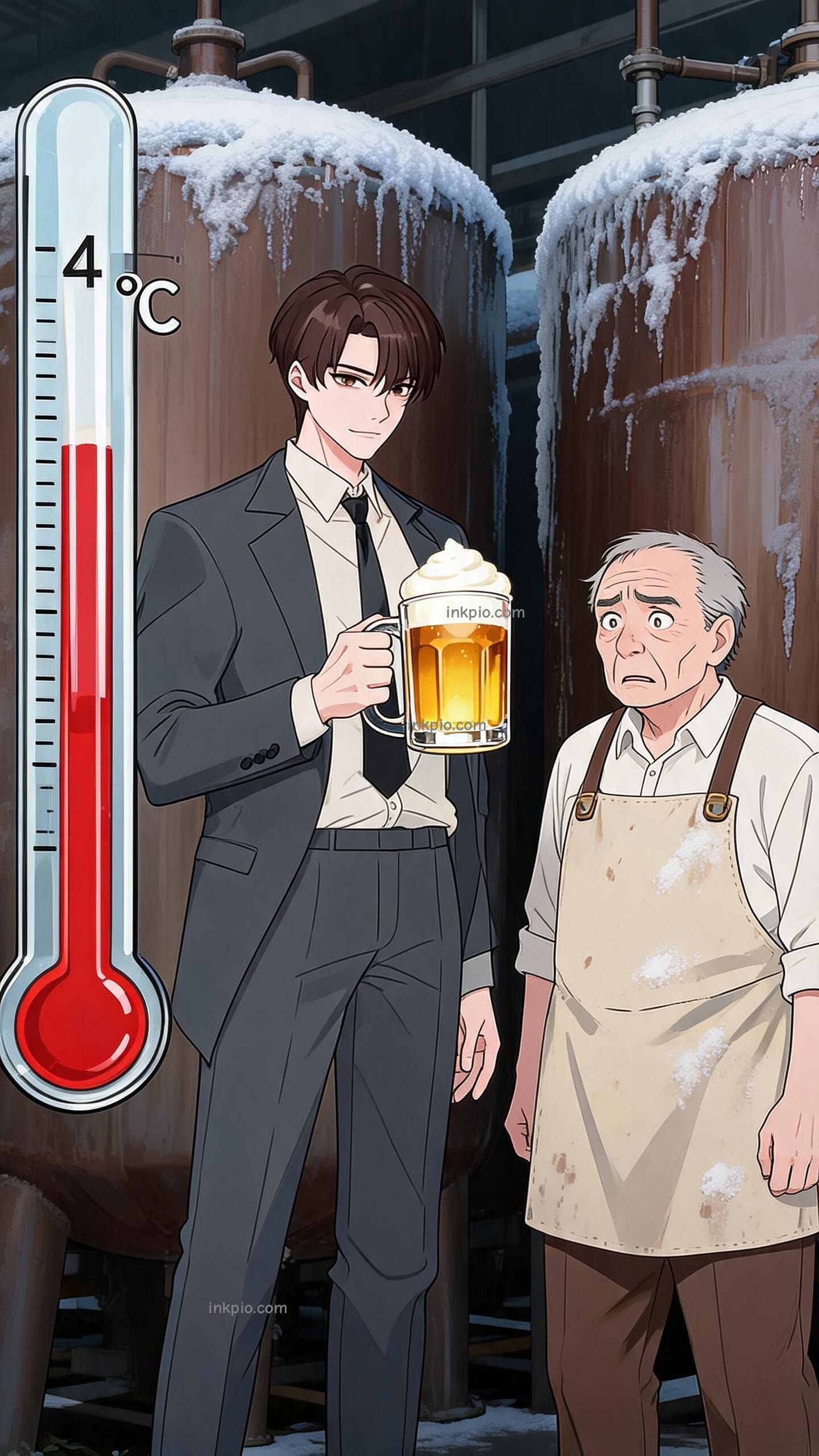
Silence fell over the brewery, broken only by the rhythmic thrum of the engine. The red mercury line on the vat thermometer began to drop. It passed 10 degrees. Then 8. The head brewer leaned in, his eyes narrowing. The line settled steadily at 4 degrees. Perfect.
Linde poured a tall glass of the golden liquid. He held it up to the dim light. A crisp, creamy foam head sat on top, stable and white. It looked alive. He handed the glass to the head brewer. The older man took it slowly, his calloused fingers brushing the frosty condensation. He stared at the glass, then at Linde. The tension in his shoulders finally broke. He took a sip.
They never had to wait for winter again. The frost on the pipes meant they could brew a crisp, cold lager in the dead of July. They just bottled it. But as Linde watched the condensation form on the glass, he knew he hadn’t just saved a batch of beer. He had captured a season.