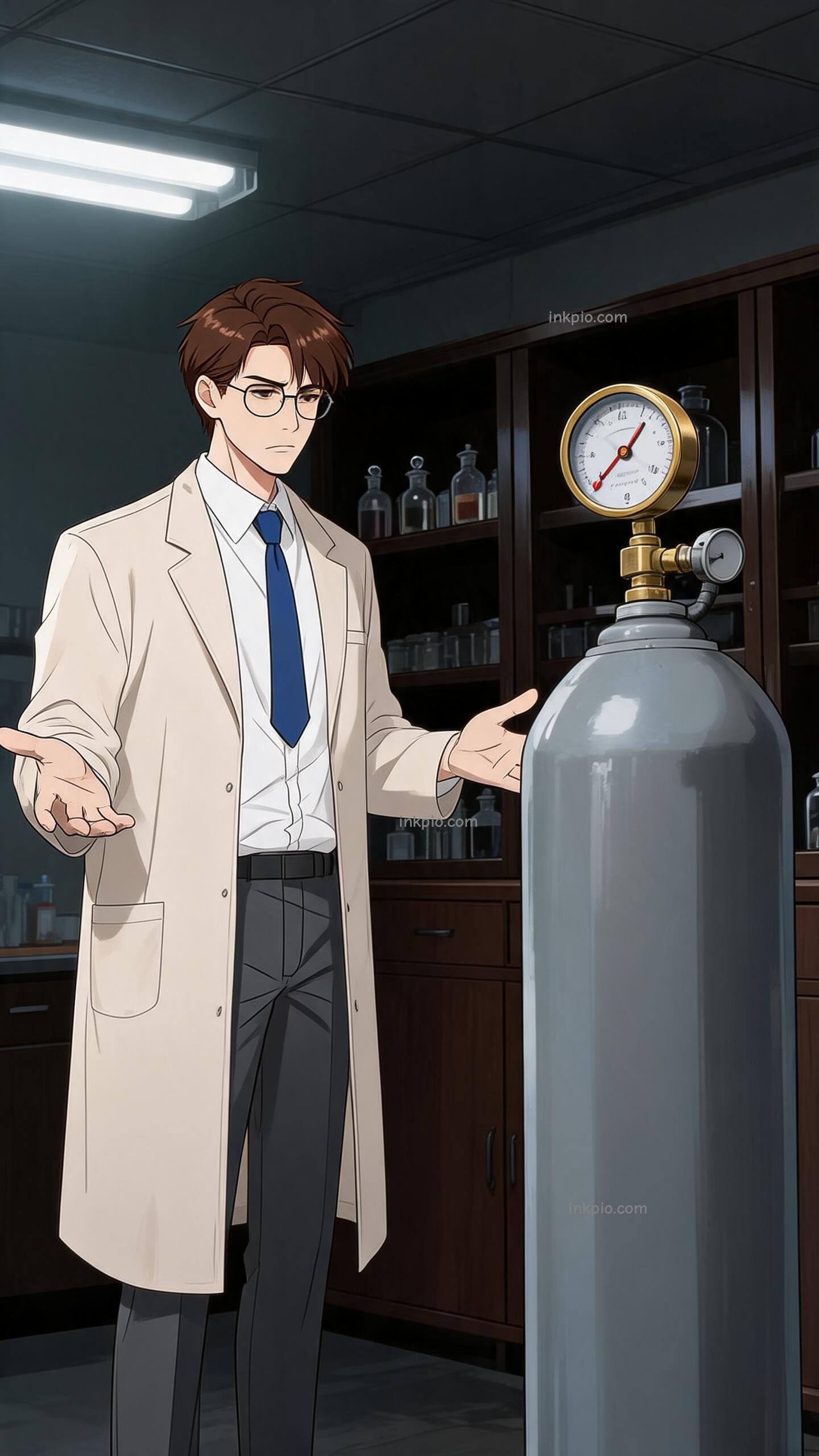
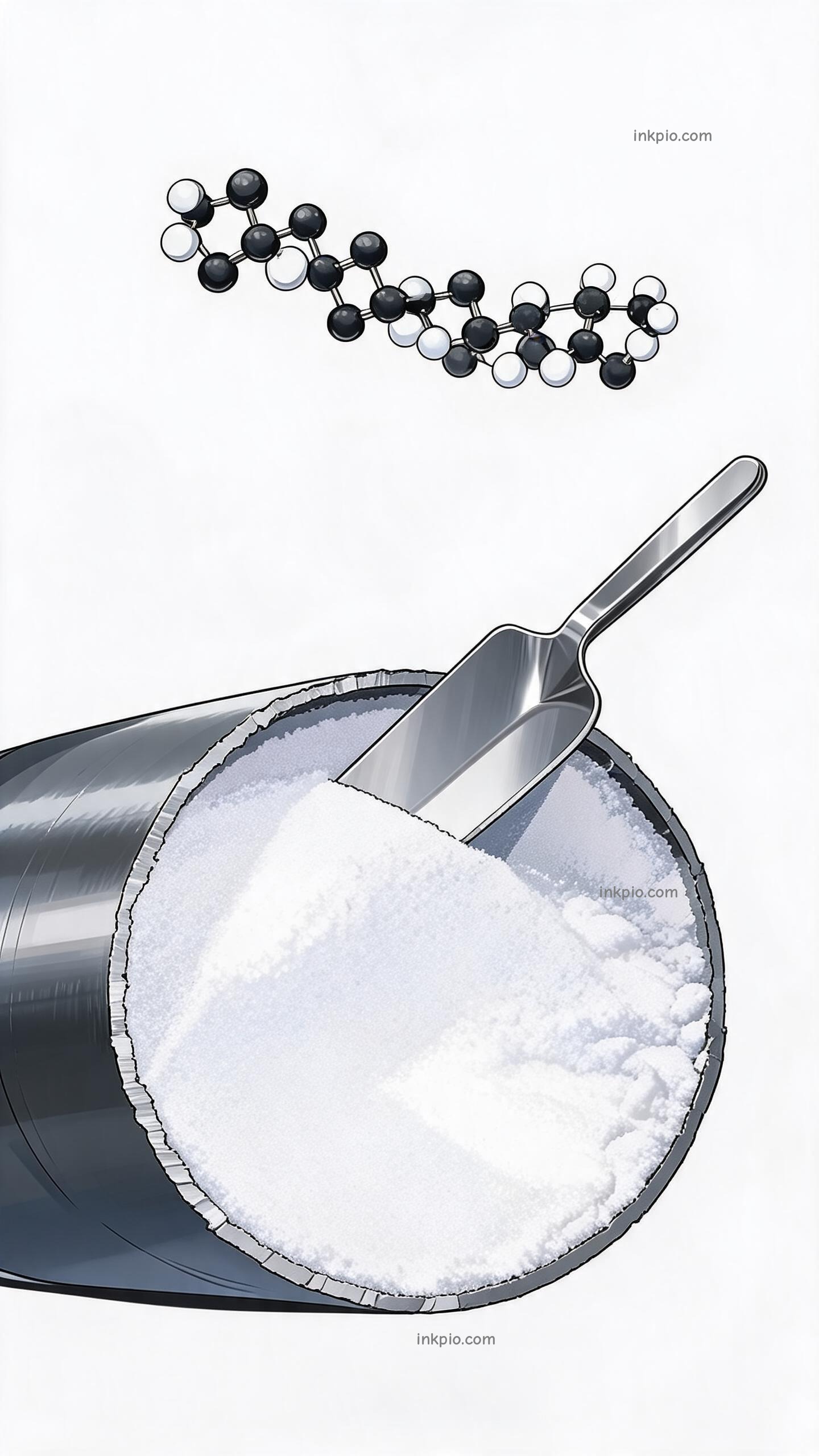

The pressure gauge on the steel cylinder lied. On April 6, 1938, the red needle rested stubbornly at zero, signaling a catastrophic failure for Roy Plunkett. In the sterile hum of DuPont’s Deepwater plant, an empty tank meant more than a wasted afternoon; it meant a breach in protocol, a question from supervisors, and the gnawing anxiety of a researcher who felt he was falling behind. He had needed that tetrafluoroethylene gas for his refrigerant experiments. Without it, the data gap would widen, and his reputation might slip with it.
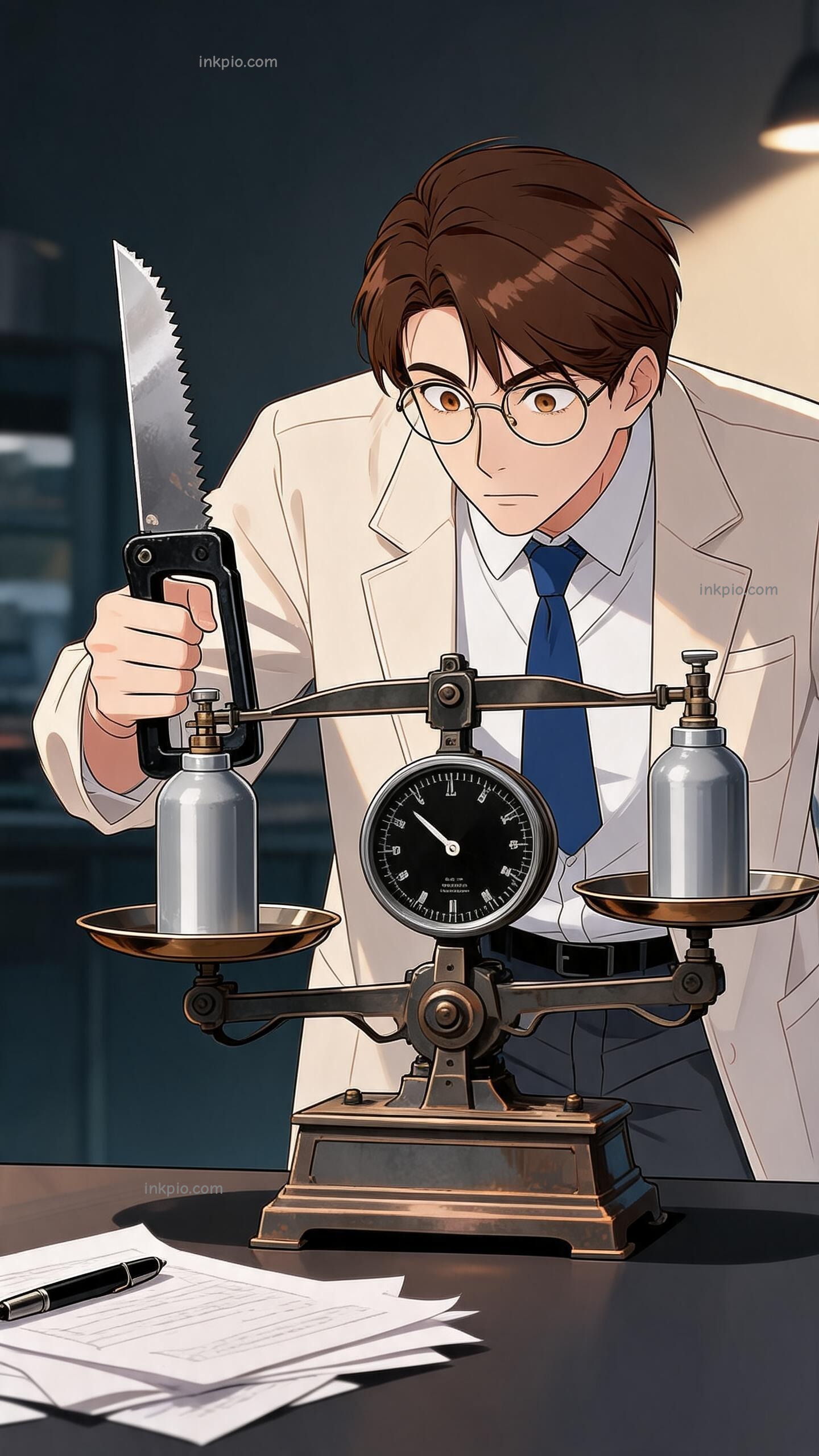
Plunkett reached for the valve, expecting the hollow hiss of escaping air. Instead, silence. He gripped the cold metal handle and lifted. His muscles tensed, bracing for the lightness of emptiness, but the weight remained. It was heavy. Uncomfortably, impossibly heavy. The scale confirmed what his arms already knew: the mass inside hadn’t vanished. The gas was still there, trapped in a form that refused to behave like a gas. A strange tension tightened in his chest—not just curiosity, but the specific dread of encountering something that defied the rules he relied on for safety.
He dragged the cylinder to the workbench. The usual tools felt inadequate against this anomaly. Picking up a hacksaw, he began to cut through the thick steel wall. Metal shavings curled away, hot and sharp. As the blade breached the interior, no gas rushed out. No pressure released. Instead, a thick, waxy substance clung to the saw teeth. It was white, slick, and utterly silent.
Inside the cylinder, the walls were coated in a strange snow. Plunkett scraped a sample onto his gloved finger. The powder didn’t cling to the leather; it slid off with eerie ease. He rubbed it between his thumb and forefinger. It felt like nothing. No friction. No resistance. Just a ghostly smoothness that seemed to repel his own touch.
The molecules had not leaked. They had turned on each other. In the sealed darkness of the tank, the tetrafluoroethylene had spontaneously polymerized. Imagine carbon atoms linking hands in a desperate, endless chain. Now picture each carbon atom wrapped in a dense armor of fluorine atoms. This fluorine shield is so tight, so chemically indifferent, that it refuses to interact with anything else. It creates a barrier so complete that no other molecule can find a purchase. The bonds are unbreakable; the surface is inviolable.
Plunkett stared at the white residue. The frustration of the ruined experiment began to recede, replaced by a quiet, unsettling awe. He had set out to make a better coolant. Instead, he had created a material that rejected the world. Nothing stuck to it. Not oil, not water, not even the air itself. It was the loneliest substance imaginable, yet perfectly stable.
His assistant leaned in, eyeing the mess with concern. "Do we clean it up?" the younger man asked, reaching for a rag. Plunkett shook his head slowly. "No," he said, his voice low. "Look at it. It doesn’t want to be cleaned. It doesn’t want to be anything but itself." He carefully scraped the remaining powder into a glass vial, treating it not as waste, but as an artifact.
That evening, Plunkett left the plant with the same heavy steps he had arrived with, but his mind was elsewhere. The failed refrigerant sat in his pocket, a small vial of impossible smoothness. He didn’t know then that this accidental polymer would become Teflon. He didn’t know it would line frying pans and seal rocket fuel tanks. He only knew that for the first time in weeks, the chaos of the lab had produced something perfectly, defiantly orderly. He walked home under the dim streetlights, feeling the weight of the vial in his coat, wondering what else was hiding in plain sight, waiting to refuse the world.