
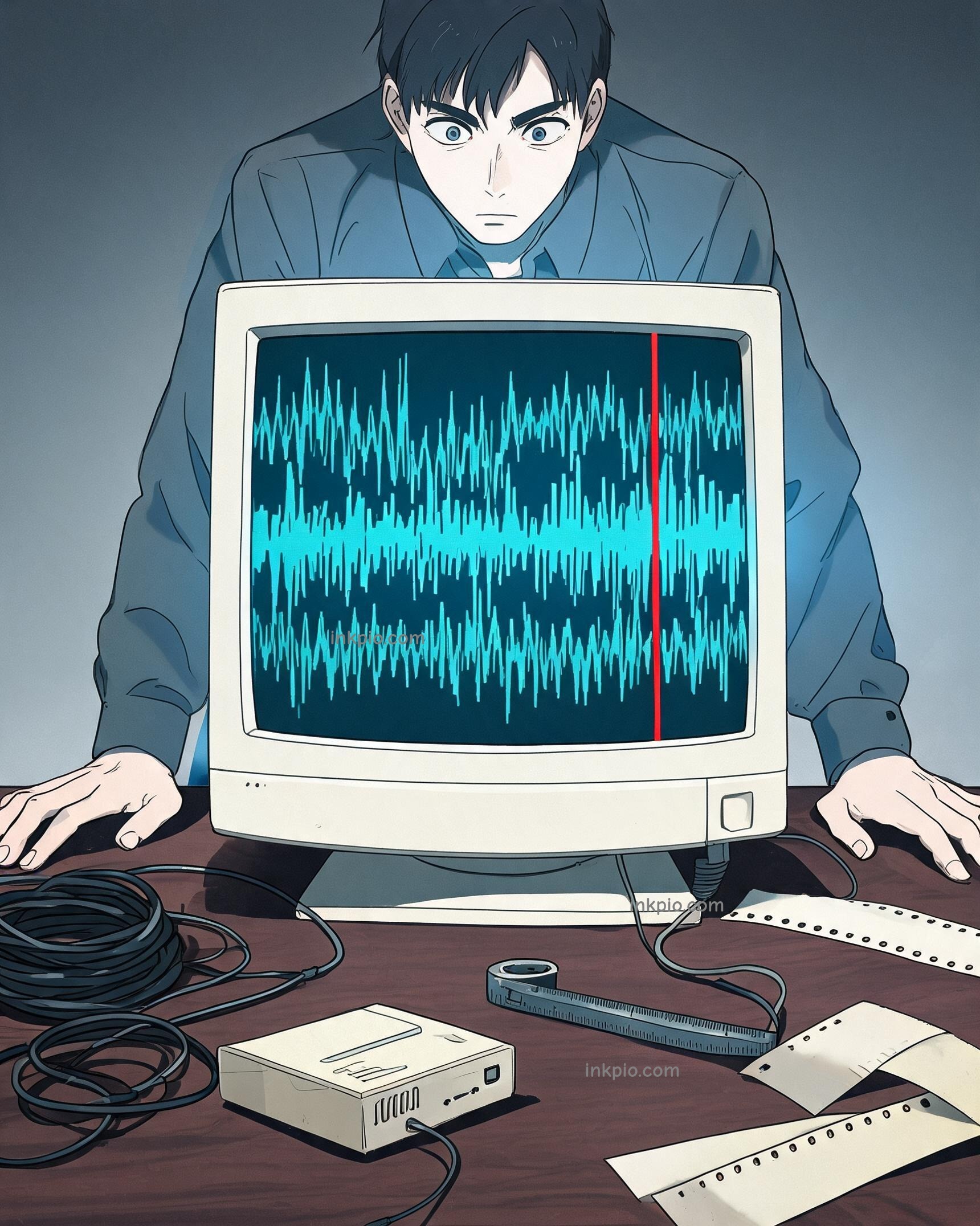



The modem screeched in 1995, but the real bottleneck sat on Karlheinz Brandenburg’s desk. A single track of CD-quality audio demanded fifty megabytes. The dial-up connection could barely push a few kilobytes per second, so sending a whole song over the network felt like trying to push a truck through a garden hose. Karlheinz tried the obvious fix first. He chopped off the smallest digital bits, hoping the ear wouldn’t notice the missing data. The speakers answered back with a wall of harsh, metallic static. The math was clean, but the sound was broken.
Raw numbers weren't the problem. Human ears were. Karlheinz stopped staring at raw waveforms and mapped how people actually hear sound. He fed the full audio track into a program that scanned for dominant notes. Whenever a loud tone appeared, the software drew a threshold curve and swept away every frequency hiding in its acoustic shadow. The input stayed rich, the operation targeted biological blind spots, and the output shrank to exactly one-tenth the original size. He wasn't deleting music. He was deleting silence the ear already ignored.
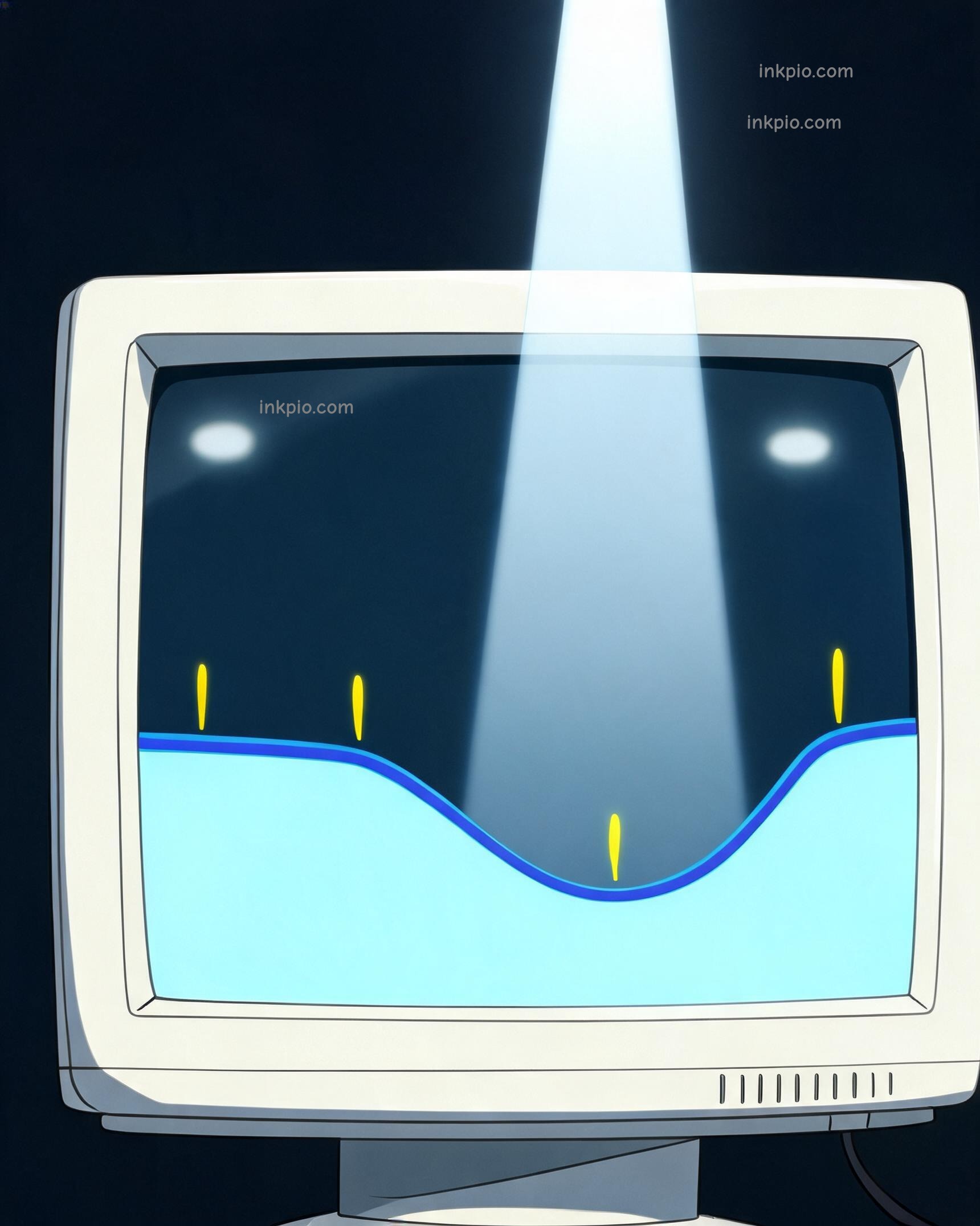
The trick required a precise mathematical boundary. The algorithm relies on the psychoacoustic masking effect, where a loud 1 kHz tone hides nearby frequencies below a specific decibel threshold. Karlheinz spent weeks tweaking the curve. He listened to test tracks, adjusted the thresholds, and deleted just enough data to shrink the file without breaking the melody. Early versions still sounded hollow. He tightened the math, ran it again, and watched the file size drop while the music stayed intact. A fifty-megabyte track finally collapsed into a tidy 4.8 megabytes.
He clicked play. The speakers filled the room with clean, full-range audio, exactly as it sounded on the original CD. The compression proved that stripping away biologically useless data preserved the exact experience listeners cared about. In 1995, the Fraunhofer Institute released the first public MP3 encoder software, standardizing the Layer III compression format. Karlheinz leaned back in his chair and listened to the quiet hum of a working machine.