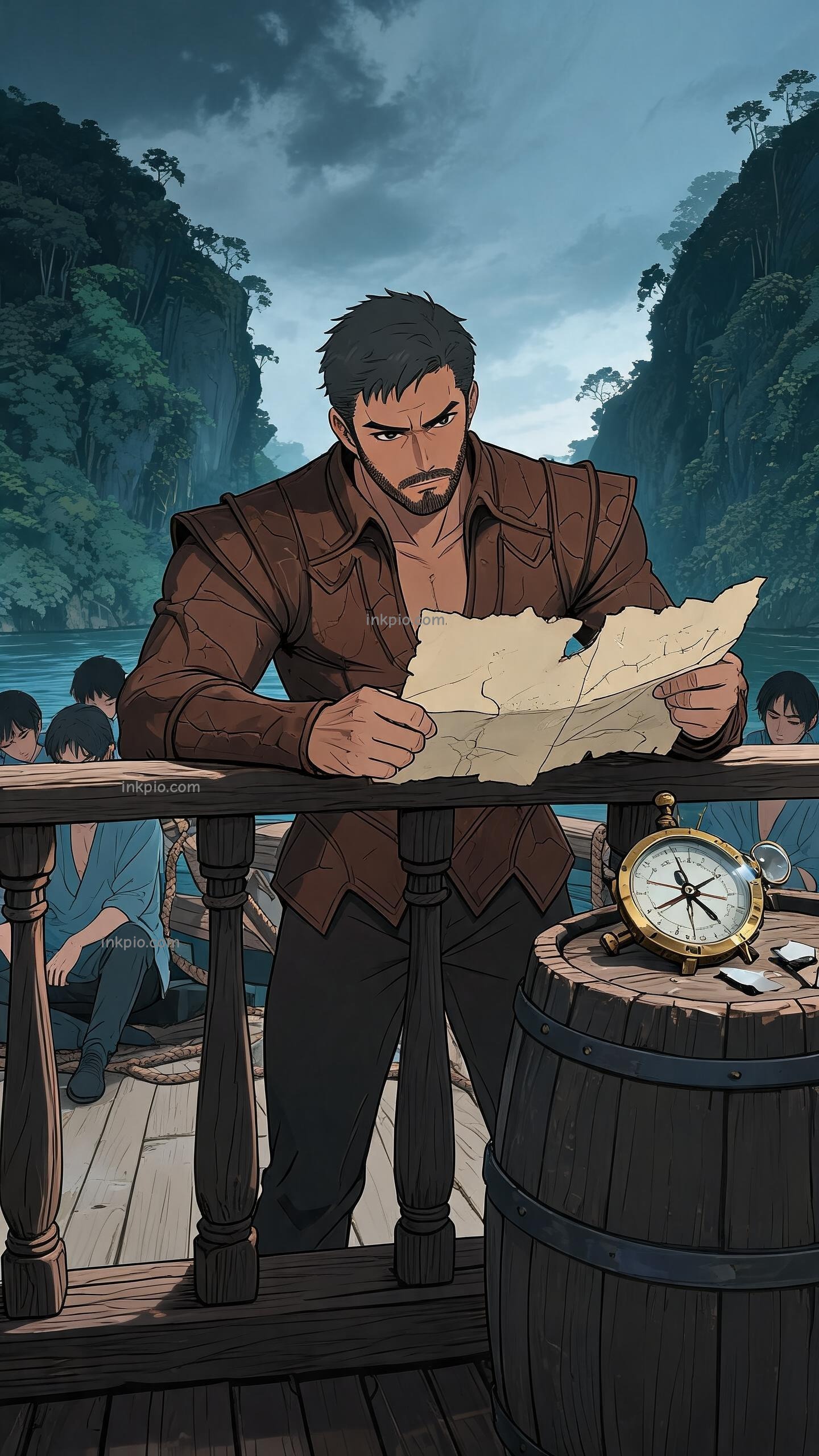
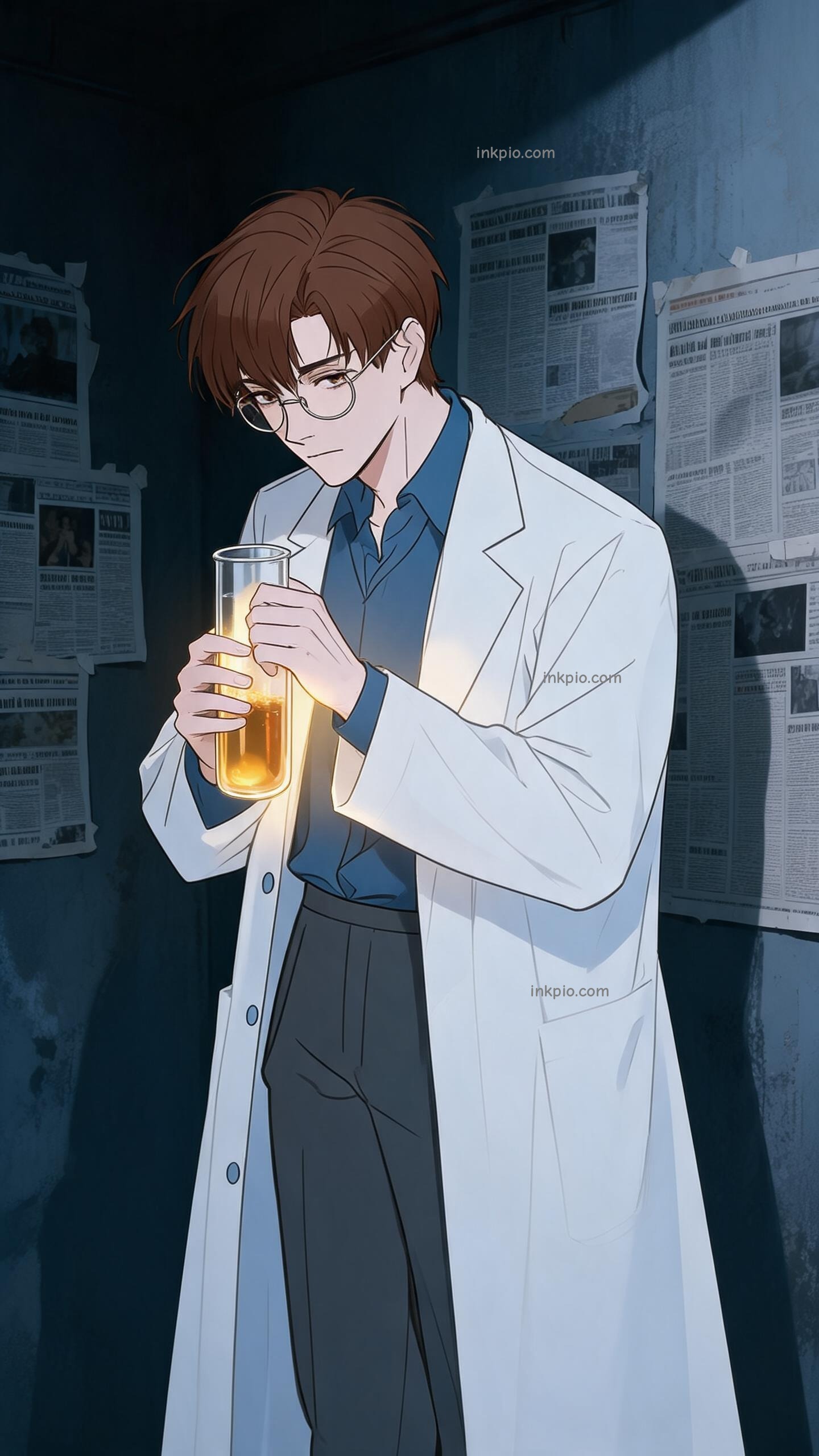


The glass tube felt cold in Max Theiler’s hand, but the contents were burning with invisible heat. Inside swirled the yellow fever virus, a microscopic assassin that had already claimed thousands of lives across the tropics. In severe cases, it killed half its victims, turning their bodies against themselves in a hemorrhagic nightmare. No vaccine existed. No cure waited in the wings. Theiler stared at the swirling liquid, knowing that every day he spent hesitating meant more graves dug in distant, sun-scorched lands.
His hypothesis was not just scientific; it was an act of biological domestication. He imagined the virus not as a monster to be destroyed, but as a wild wolf that could be tamed. If he forced the virus to live in a host it did not naturally infect—mice—it would have to change to survive. It would adapt to the mouse brain, slowly forgetting how to hunt human cells. The goal was paradoxical: make the virus so comfortable in mice that it became harmless to humans, yet still recognizable enough for the human immune system to learn its face.
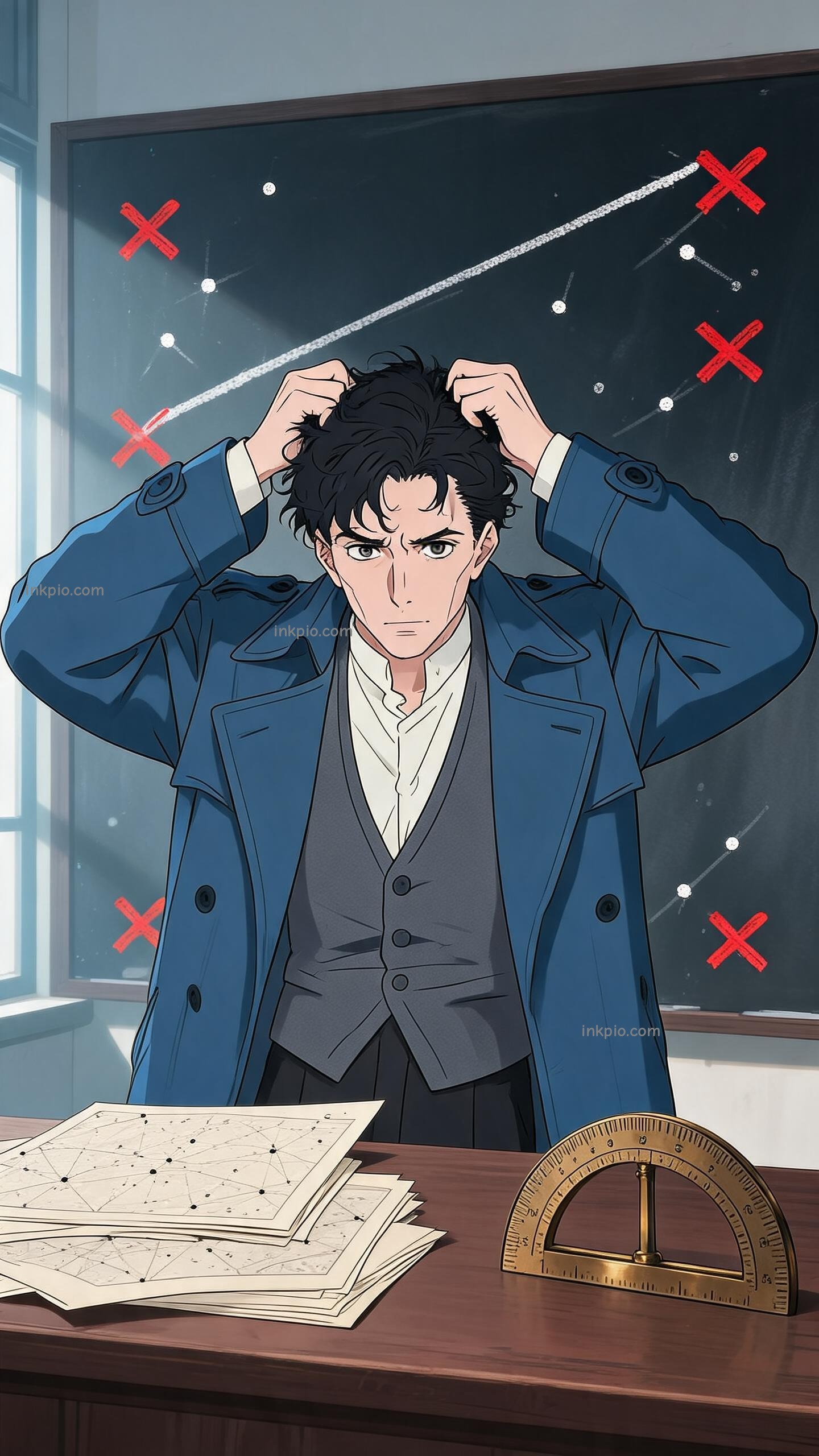
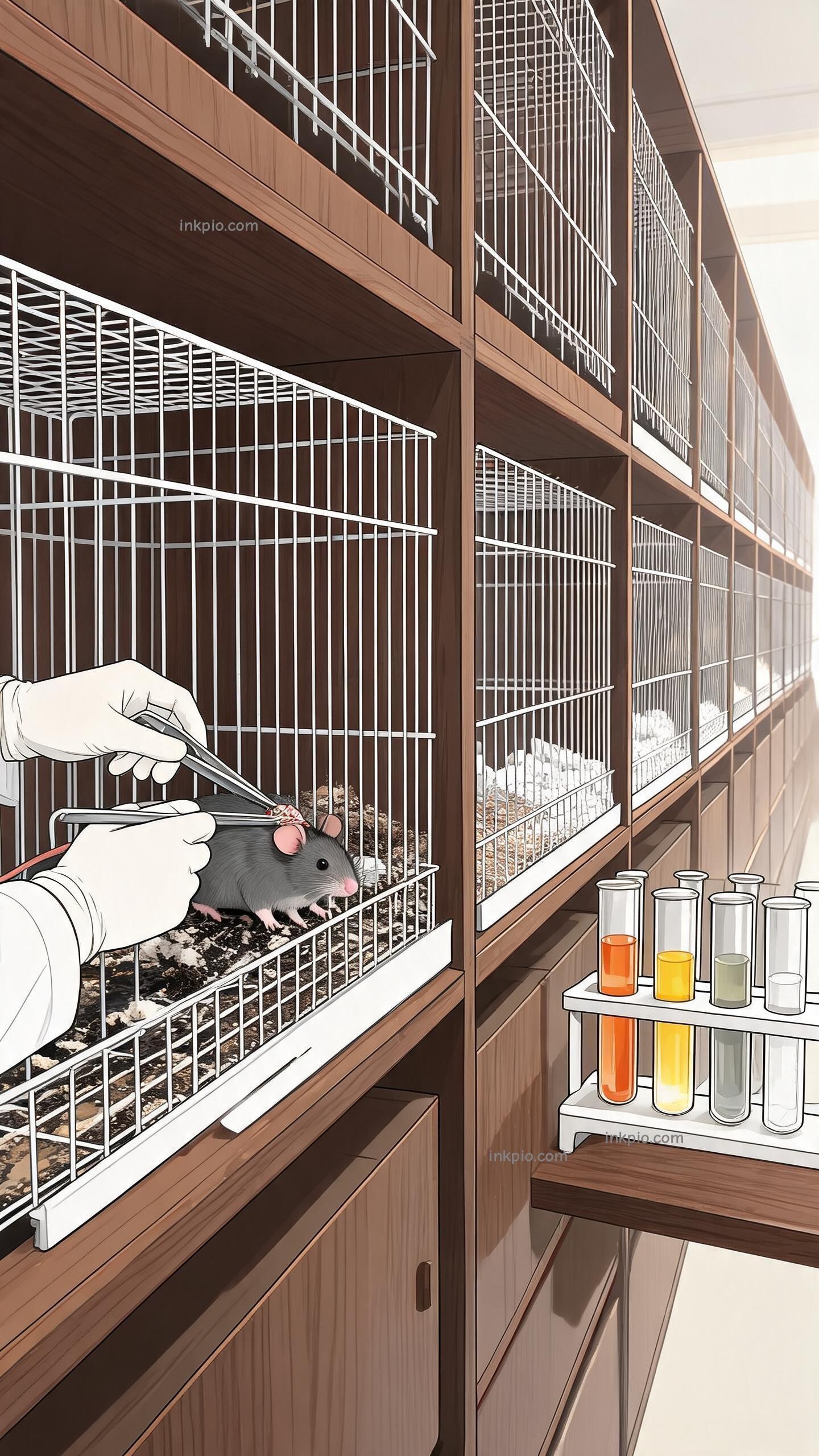
The work was grueling and repetitive, bordering on madness. Day after day, Theiler extracted brain tissue from infected mice and injected it into new ones. Generation 10 passed. Then 50. His colleagues at the Rockefeller Institute watched him with a mix of pity and skepticism. To them, he was a man chasing ghosts, passing mouse brains around like a grim ritual. They saw only the monotony; Theiler saw the slow erosion of lethality. He worried that the virus might mutate into something worse, or that his own fatigue would cause a slip. A single mistake could release the untamed beast back into the world.
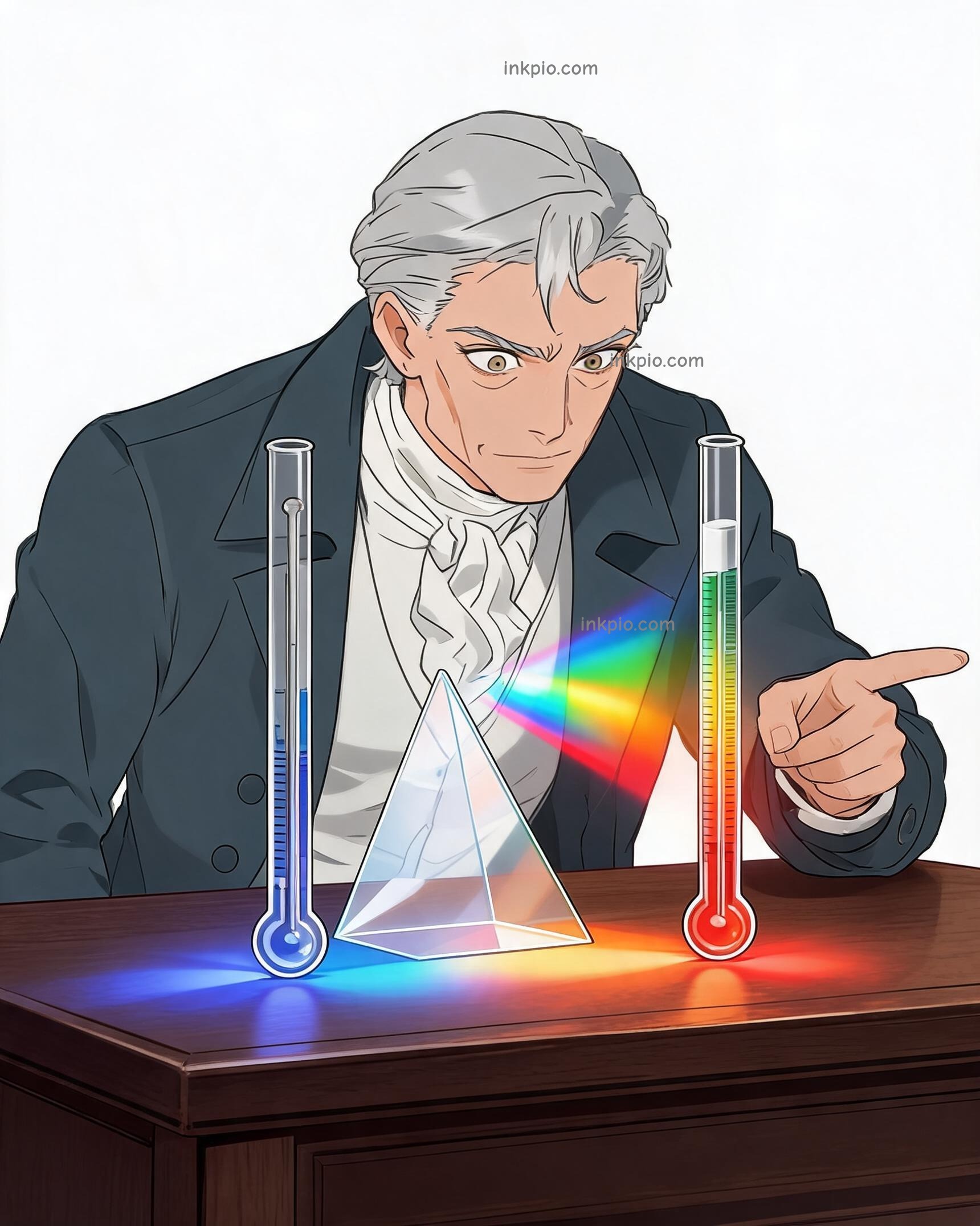
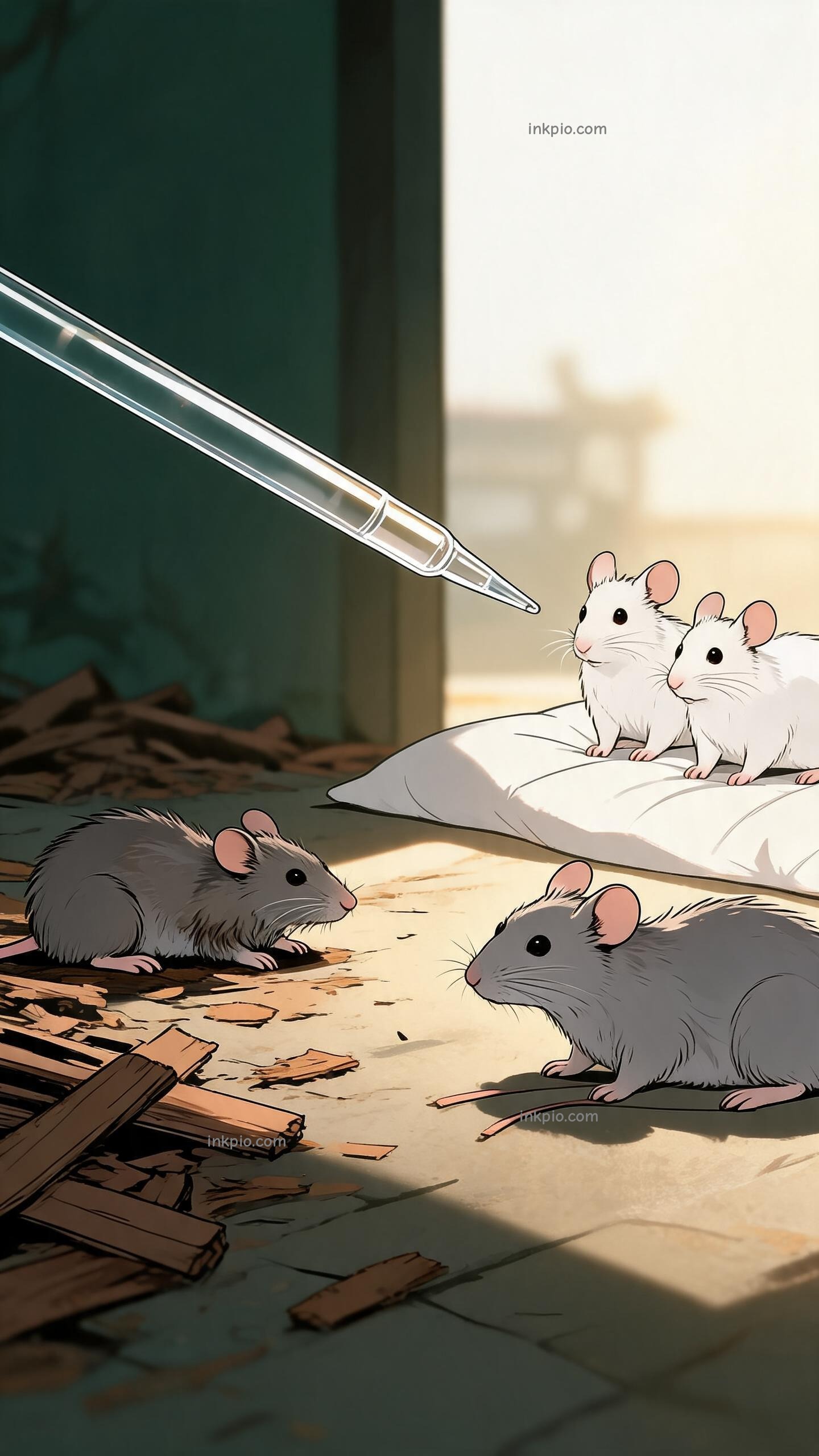
By the time he reached the 100th passage, the air in the lab felt heavier. This was the threshold. The virus had lived in mice for so long that it should have lost its edge. The critical test was stark and unforgiving. One group of mice received the original, deadly strain. Another group received the 100th-passage virus. Theiler held his breath as the days ticked by. The control mice died, their bodies succumbing to the hemorrhage as expected. But the mice injected with the attenuated strain? They survived. They ate. They moved. The wolf had forgotten how to bite.
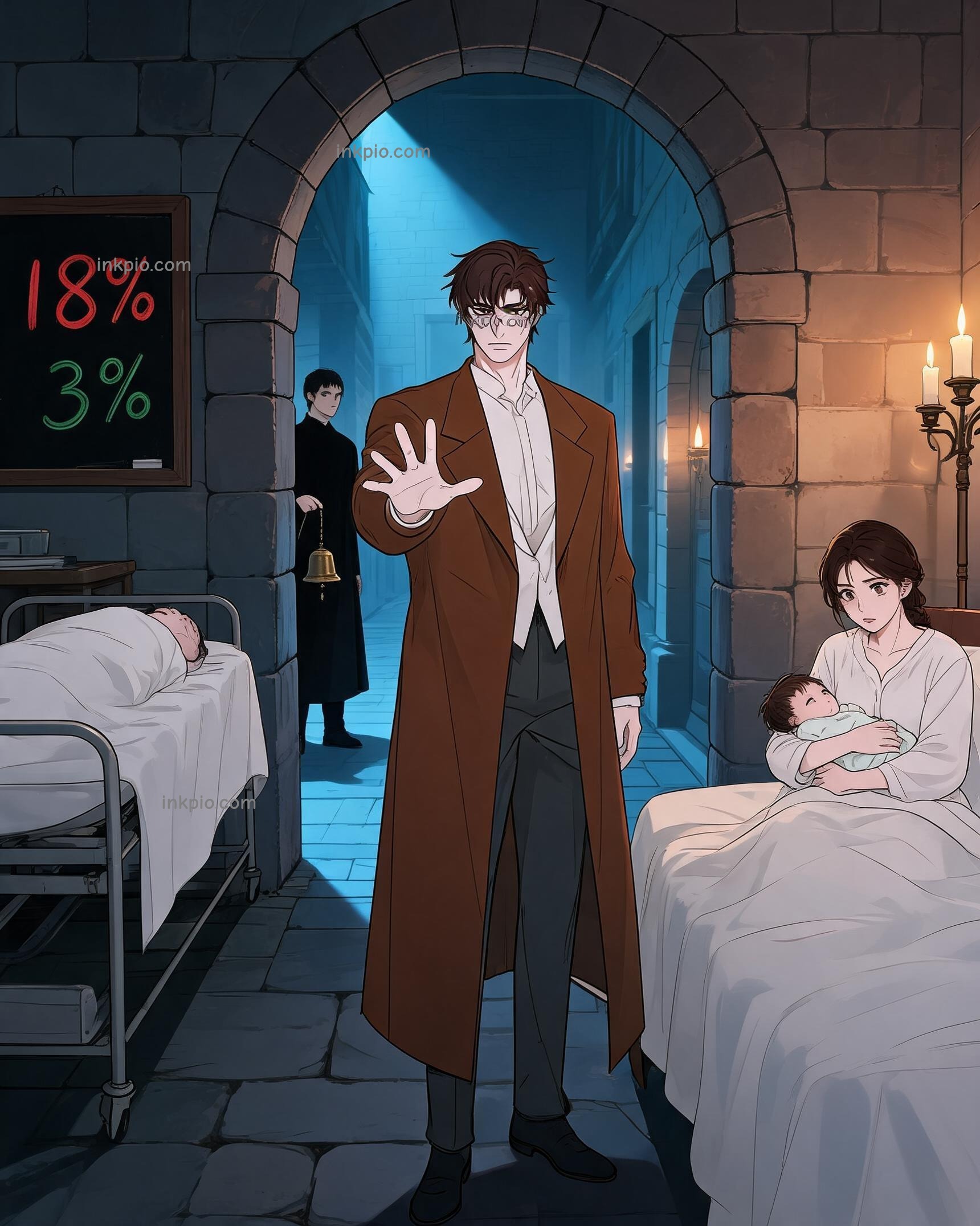
In 1937, the team finalized this strain, naming it 17D. It was no longer just a hypothesis; it was a shield. The 17D vaccine would go on to become one of the safest and most effective medical tools ever created, protecting hundreds of millions of people from a death that had once been inevitable. Yet, in that moment, the victory was quiet. There were no headlines, no parades. Just the silent relief of seeing life continue where death had been certain.
Fourteen years later, in 1951, the Nobel Committee recognized his work, citing him "for his discovery of an effective vaccine against yellow fever." It remains the only Nobel Prize ever awarded specifically for vaccine development. The ceremony in Stockholm was formal and distant, a world away from the smell of mouse cages and antiseptic. When Theiler returned to New York, he did not throw a party. He did not give a grand speech about his legacy.
He walked into the laboratory, the familiar hum of equipment greeting him. He washed his hands, scrubbing away the dust of travel and the weight of expectation. He put on a fresh white coat, the fabric crisp and clean. Then, without looking back at the medal or the accolades, he turned toward the rows of cages. The mice needed checking. The work was never done.