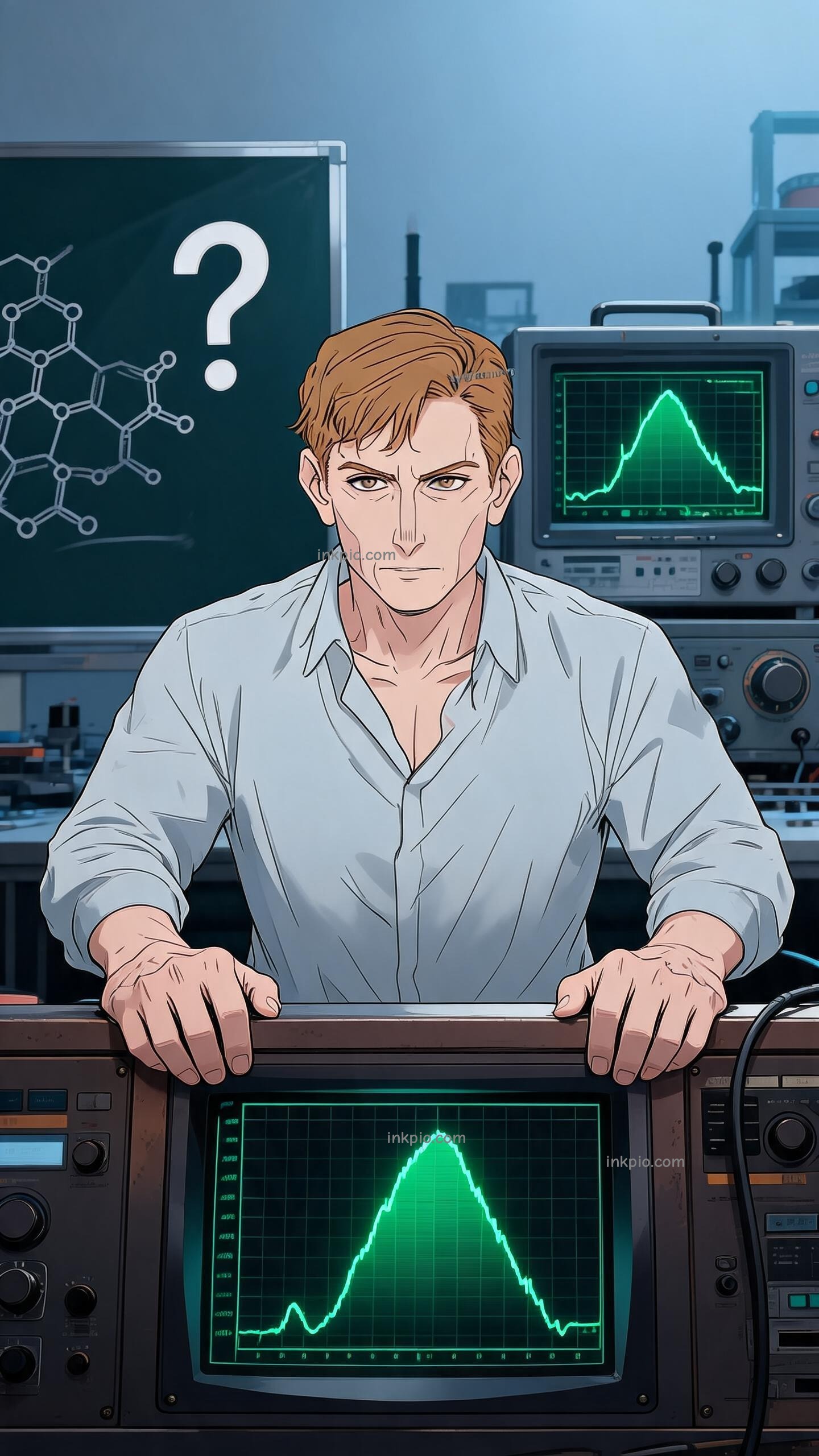
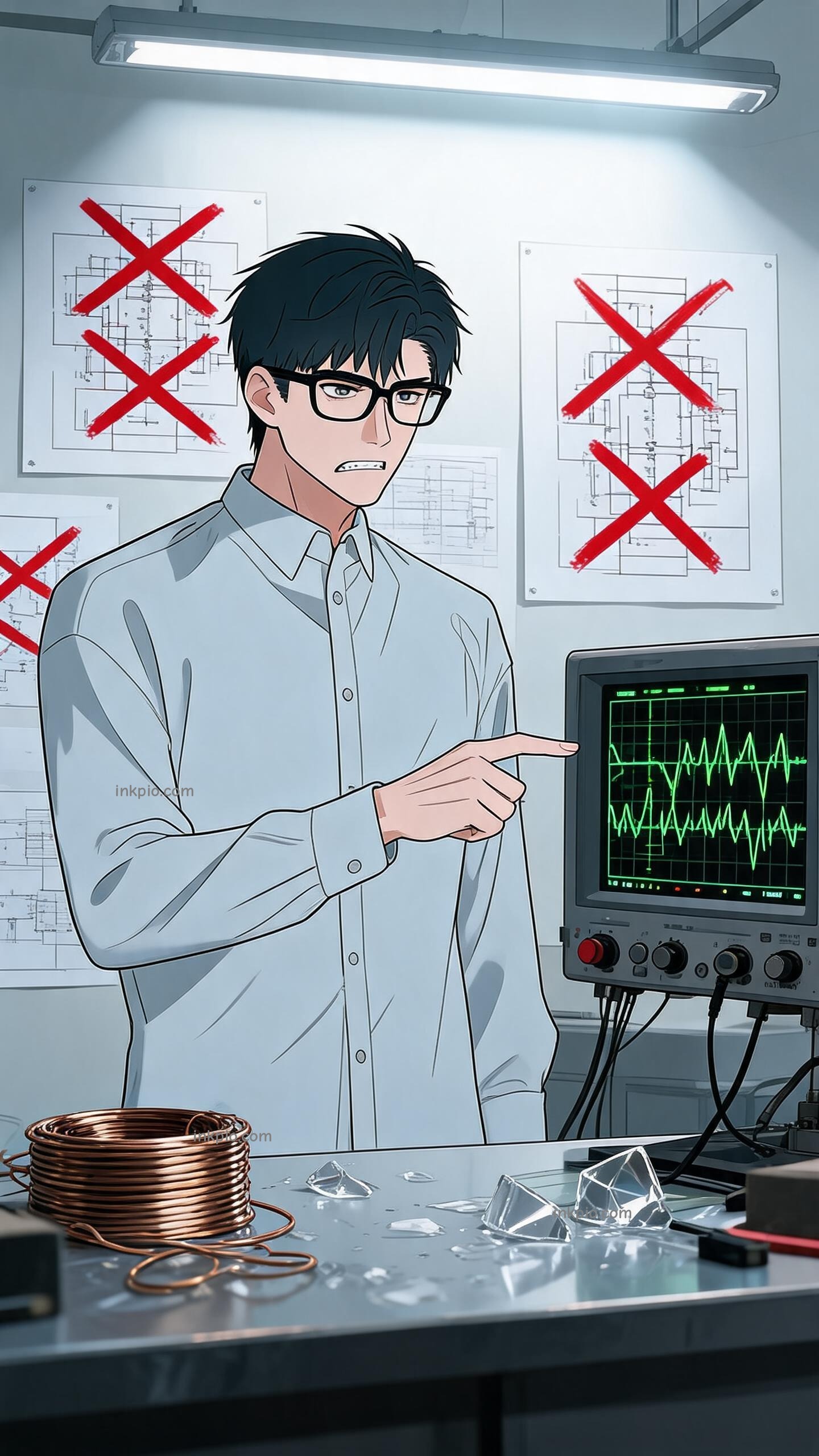
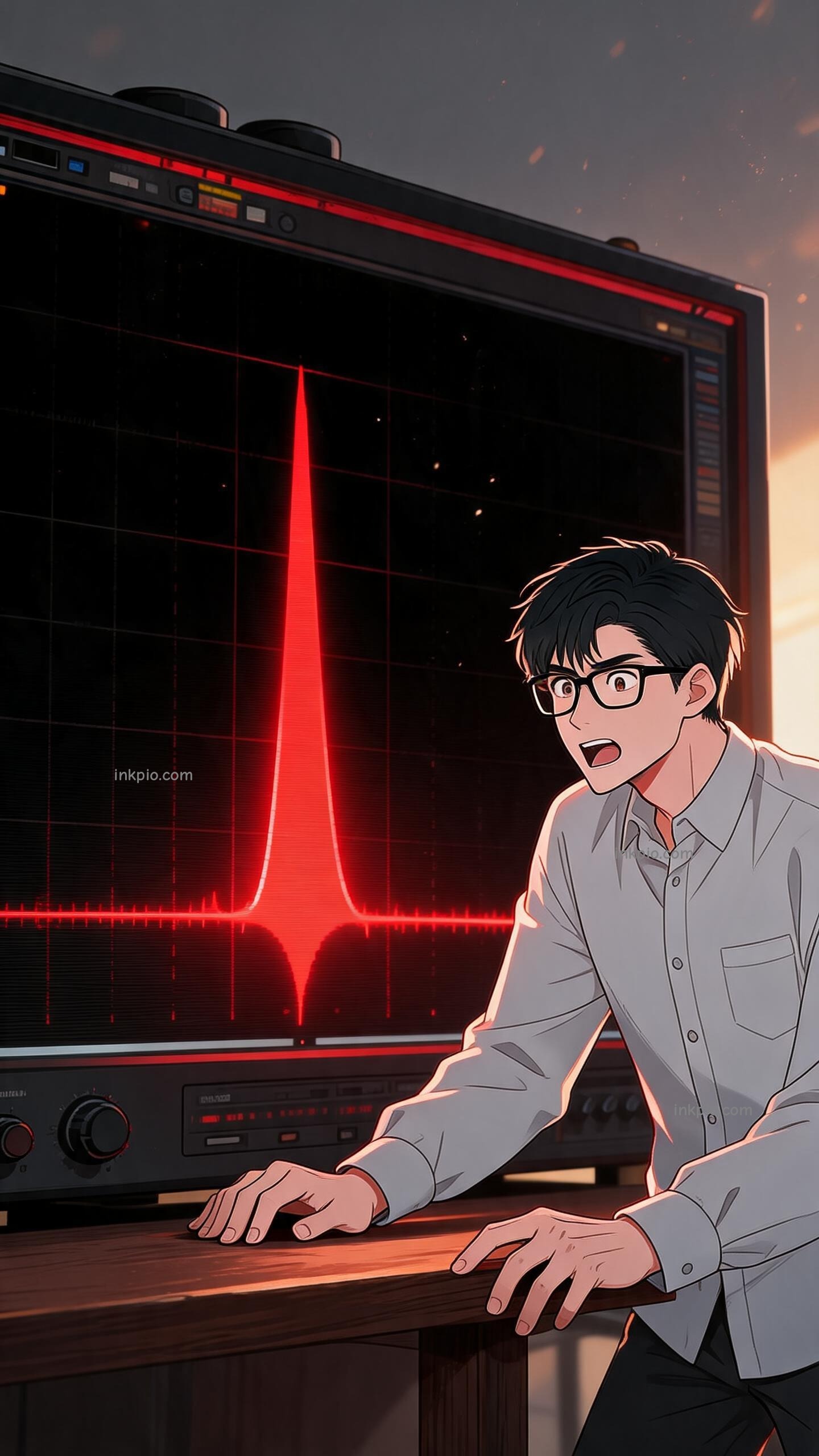

The oscilloscope screen glowed with a chaotic tangle of green waves. Theodore Maiman stared at the mess, his eyes burning from hours of squinting in the dim lab. He didn't just see noise; he saw the skepticism of the entire physics community staring back at him.
It was 1960, and the race to build a working laser felt less like a scientific endeavor and more like a siege. The big laboratories, flush with government grants, had bet everything on complex gas tubes and microwave cavities. They had dismissed ruby crystals as "lossy"—a polite word for useless. To them, the pink stone was a dead end, a toy for jewelers, not physicists.
Maiman had no such luxury. His budget at Hughes Research Laboratories was a fraction of his rivals'. He couldn't afford to fail, yet every established voice told him he already had. The pressure wasn't just professional; it was personal. If ruby didn't work, he had nothing left to show for years of isolation.
The problem with ruby was thermal noise. Inside the crystal lattice, chromium ions were lazy. When energized, they preferred to dump their energy as random heat rather than coherent light. It was like trying to fill a bucket with a hole in the bottom. Pour water slowly, and it leaks out before you make a splash. But Maiman had found a loophole in the math.
He calculated that if he hit the crystal with a flash of light that was incredibly short and intense, he could force the ions into a high-energy state before the heat had time to ruin the party. Dump the whole bucket in a split second, and the water overflows. It was a gamble on timing, a race against thermodynamics itself.
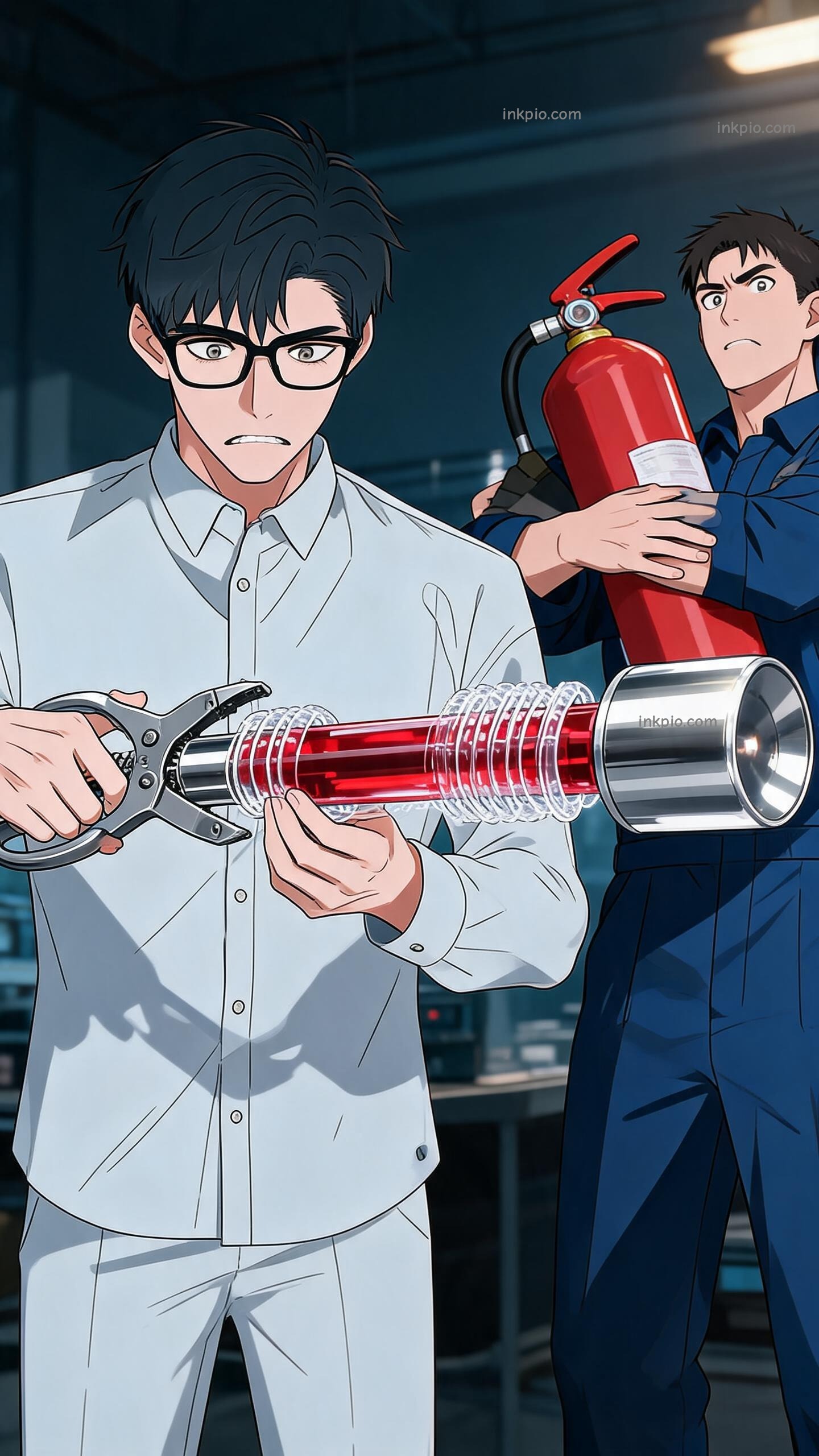
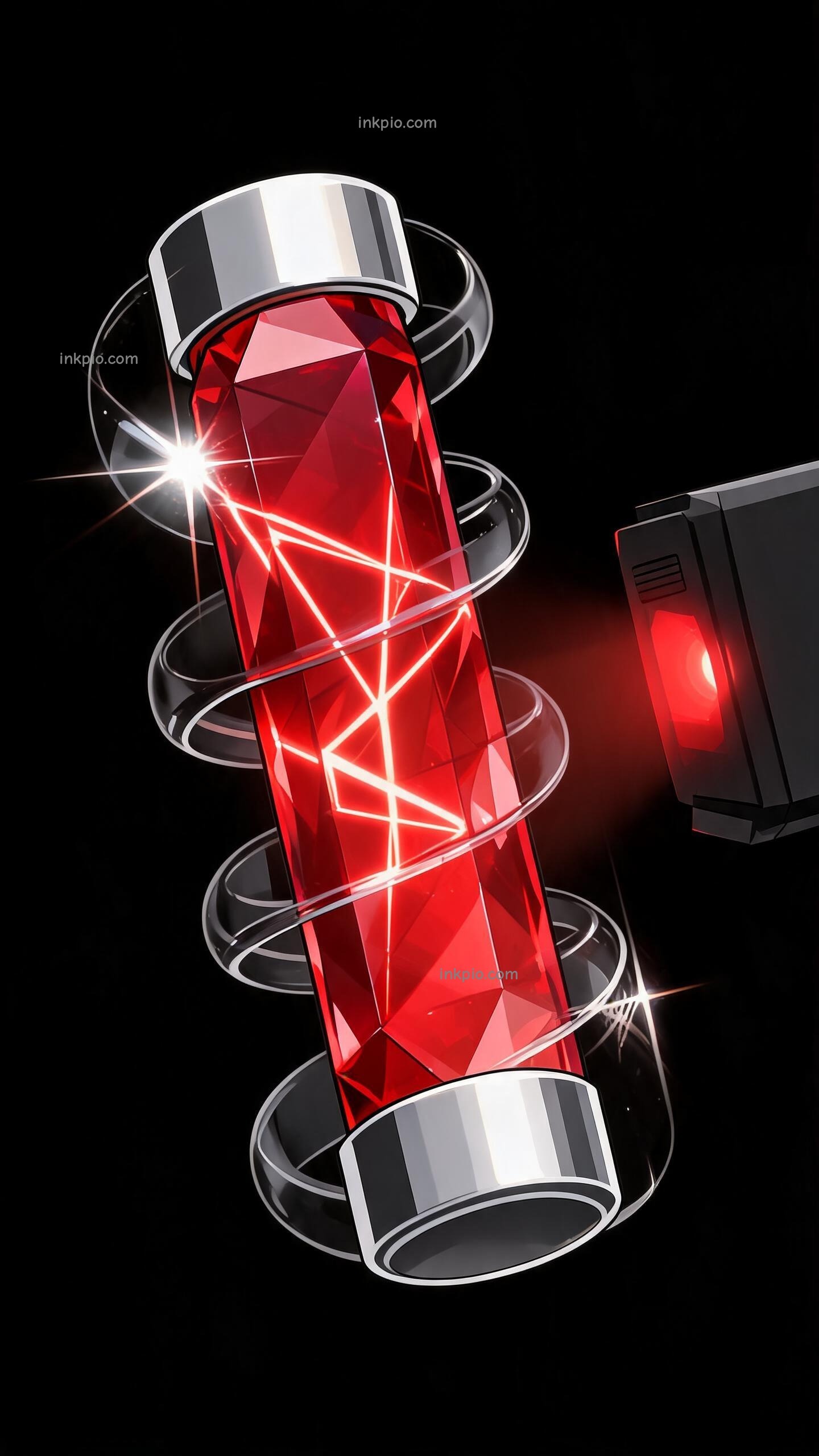
He took a synthetic ruby rod, no bigger than a pencil, and coated its ends with silver to act as mirrors. Then, he wrapped a xenon flash tube in a tight helix around the crystal. The setup looked fragile, almost makeshift. His laboratory assistant stood nearby, hands hovering near the power dials, knuckles white. The assistant didn't speak, but the silence in the room was heavy with shared anxiety. One wrong move, one miscalculation, and the crystal would simply shatter or melt.
Maiman took a breath and triggered the pulse.
The xenon tube fired a blinding white burst. For a fraction of a second, the lab was washed in stark, artificial daylight. The optical pump slammed into the chromium ions, forcing them into population inversion. The air smelled of ozone and heated metal.
The crystal did not melt. Instead, something invisible happened inside the pink stone. Trapped photons bounced between the silvered mirrors, slamming into other ions with increasing violence. They triggered a massive avalanche of stimulated emission. The chaos of thermal noise was suddenly ordered, coerced into unity.
On the oscilloscope, the messy green waves vanished. In their place, a single, razor-sharp peak of pure red light shot across the screen. It vibrated at exactly 694.3 nanometers. It was not just a signal; it was a statement. The scattered light had been tamed.
Maiman sat back, the tension draining from his shoulders. He watched the glow, not with triumph, but with a quiet, stunned relief. The assistant let out a breath they hadn't realized they were holding. Outside, the world continued its noisy routine, unaware that inside this small, underfunded lab, the nature of light had just changed forever. Maiman reached for his notebook, his hand steady now, ready to write down what he had just seen.