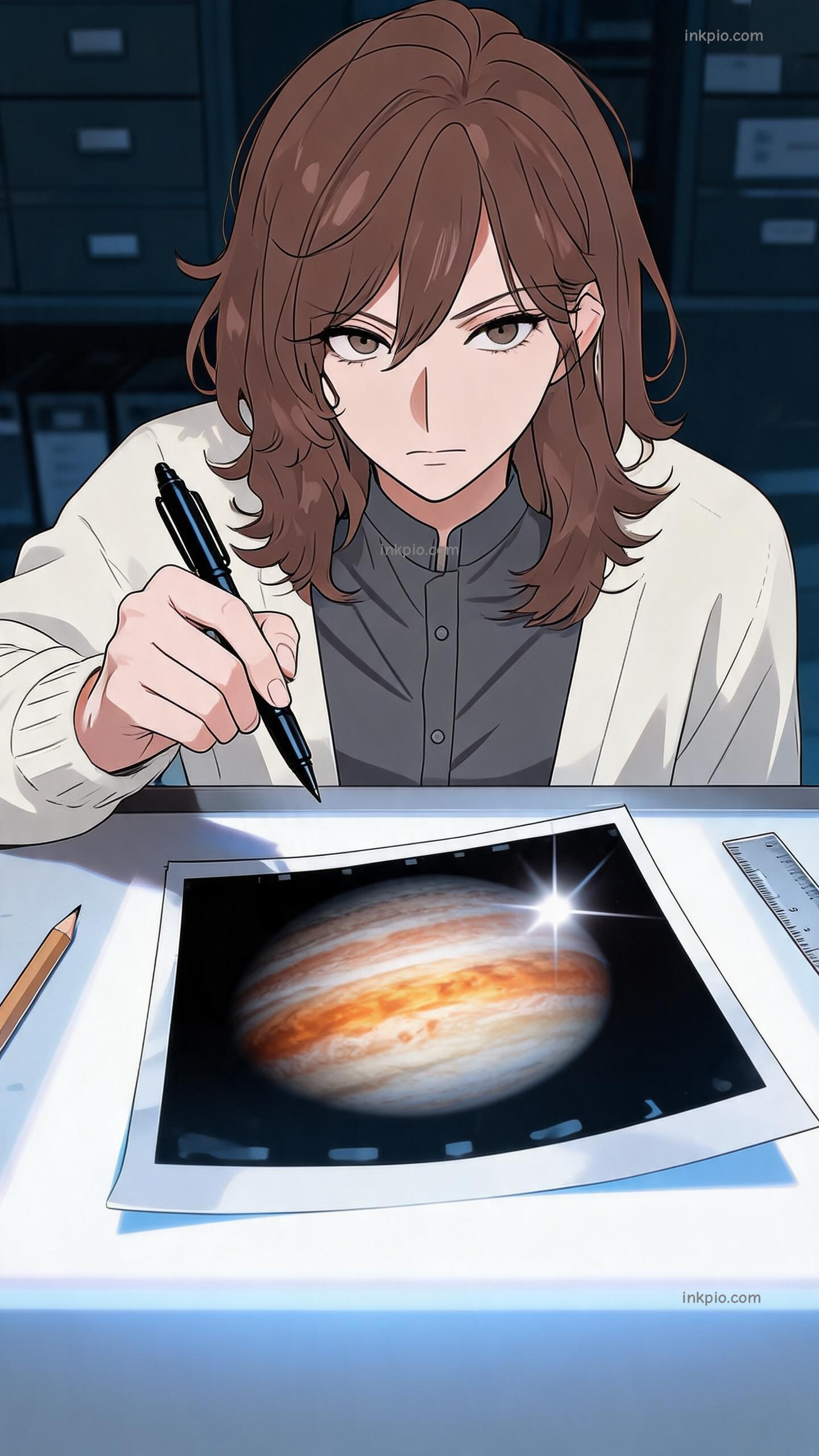
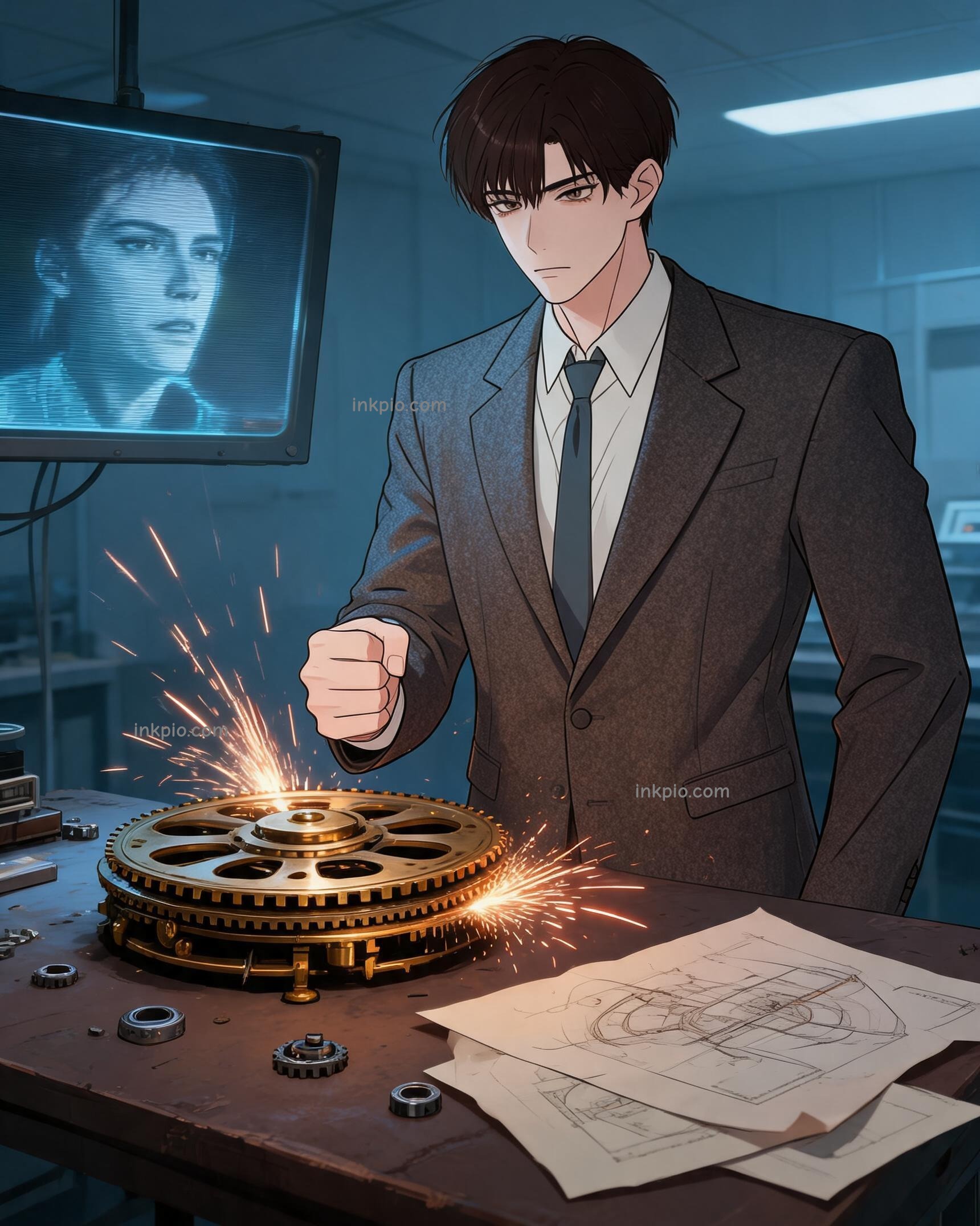



The brass disk spun with a violent, grinding rhythm, shaking the workbench until the tools rattled in their trays. On the frosted glass, the image remained a ghost—blurry, dim, and flickering like a dying candle. Philo Farnsworth leaned back, his spine stiff from hours of hunching over schematics. At twenty-one, he felt the weight of every failed experiment pressing against his chest. The mechanical television was a dead end. It tried to build a picture by drilling holes into a heavy Nipkow disk, catching light one sliver at a time. But the gears fought each other, and the image never held still. He needed to break a picture into pieces without a single moving part. The silence in the lab felt less like peace and more like holding his breath before a fall.
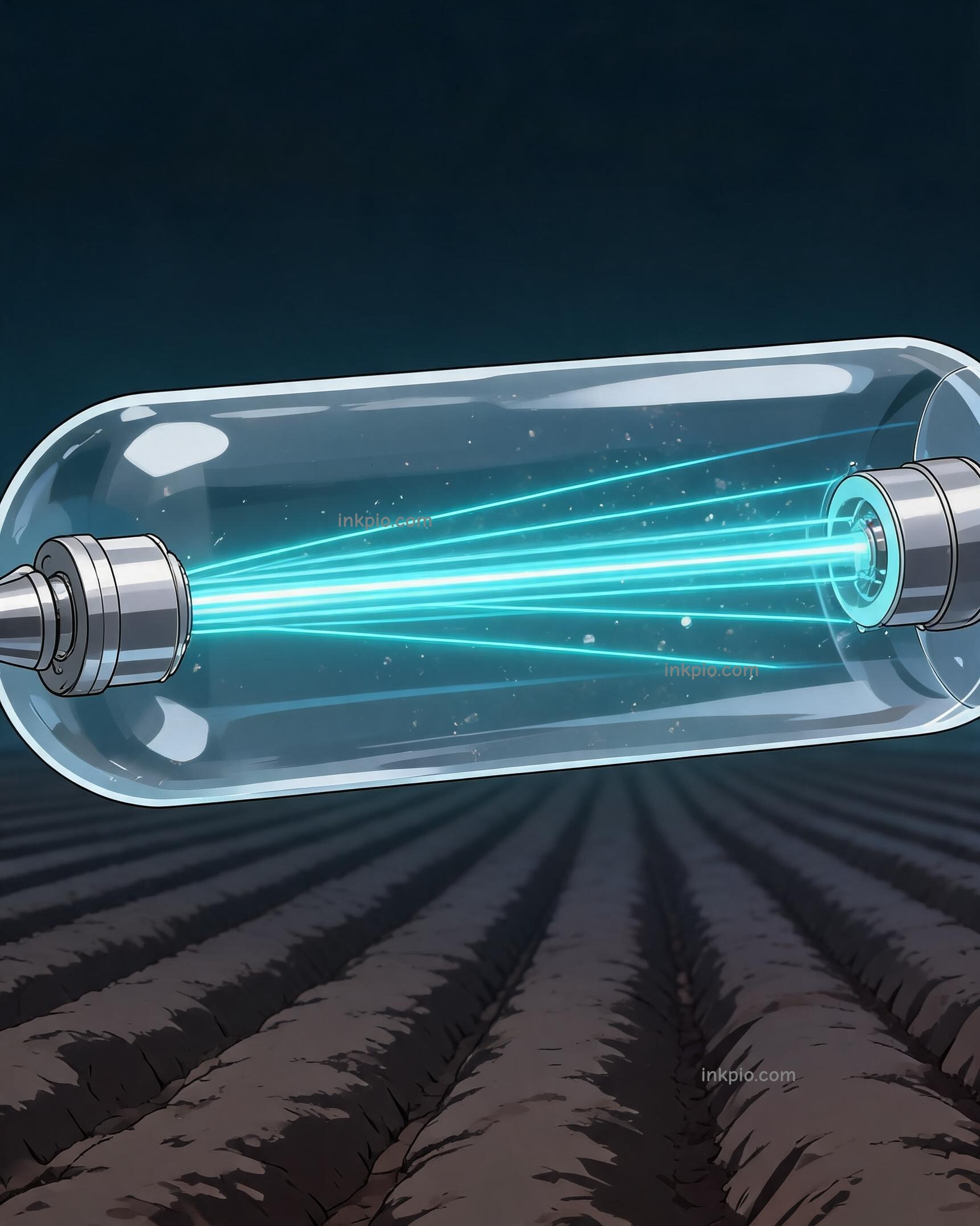
He left the cluttered room for the Idaho hills, needing air that didn’t smell of ozone and burnt insulation. In a sunlit field, a farmer guided a horse-drawn plow through dark, rich soil. The blade cut deep, turning the earth in perfectly straight rows that stretched toward the horizon. Philo watched the dirt part in clean lines, and the tension in his shoulders suddenly released. He saw the missing link. Light hitting a photoelectric plate could be read the exact same way. Instead of a spinning wheel, a focused electron beam could sweep across the surface like that plow. The beam would strike one narrow row, turn the brightness into an electrical charge, jump down a fraction of an inch, and sweep the next. It would repeat this sixty times a second. Fast enough to trick the human eye into seeing a full picture instead of separate strokes. For the first time in months, the problem didn't feel like a wall. It felt like a path.
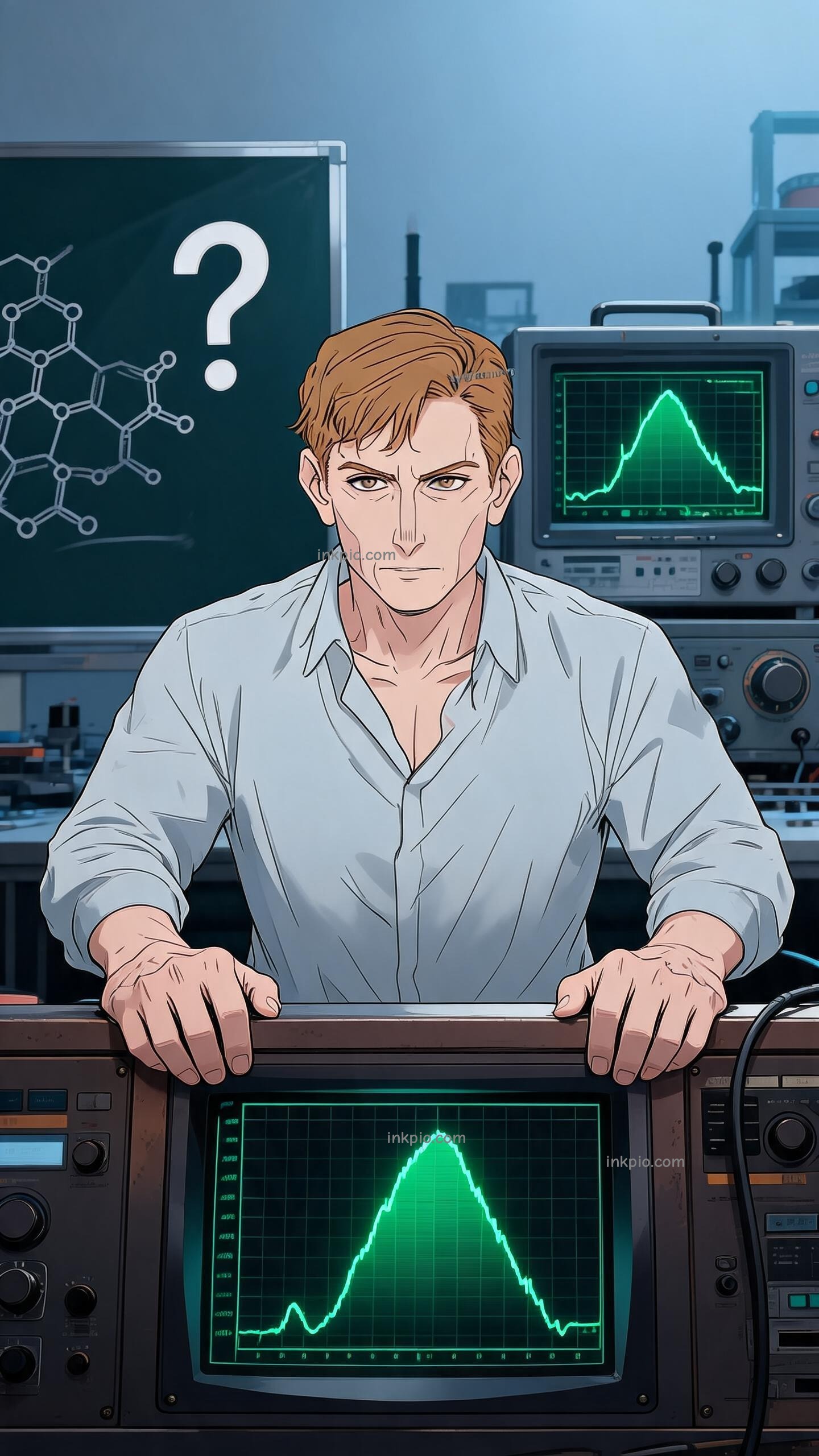
Back in San Francisco, the air in the lab was thick with anticipation and dust. He began building a glass vacuum tube, which he called an image dissector. The theory was elegant, but the practice was stubborn. Keeping that beam tight while forcing it to race across the glass required a precision that felt impossible. He had to align delicate magnetic coils and balance the voltage perfectly. If the focus slipped even a millimeter, the line would smear into a blur, mocking his efforts. Wires hummed in the dim room, a low, electric chant. His hands trembled slightly as he adjusted the dials. This wasn't just about fixing a machine; it was about proving that the world could be seen differently. He flipped the main switch and stepped back, leaving the outcome to the physics he had rewritten in his mind.
On September 7, 1927, the receiver screen flickered once, then settled. A sharp white line cut cleanly across the dark glass. It didn’t shake. It didn’t fade. The heavy brass disk sat useless on a shelf, finally replaced by an electron beam scanning 60 lines per second. Philo stood beside the humming glass, his hand still resting near the control knobs. He didn't cheer. He didn't call anyone. He just watched that single, steady line hold its place in the dark. It was thin, simple, and utterly stable. In that quiet room, the chaotic noise of the mechanical age faded away, replaced by the silent, steady pulse of the electronic future. The line remained there, burning into the glass, waiting for the rest of the world to catch up.