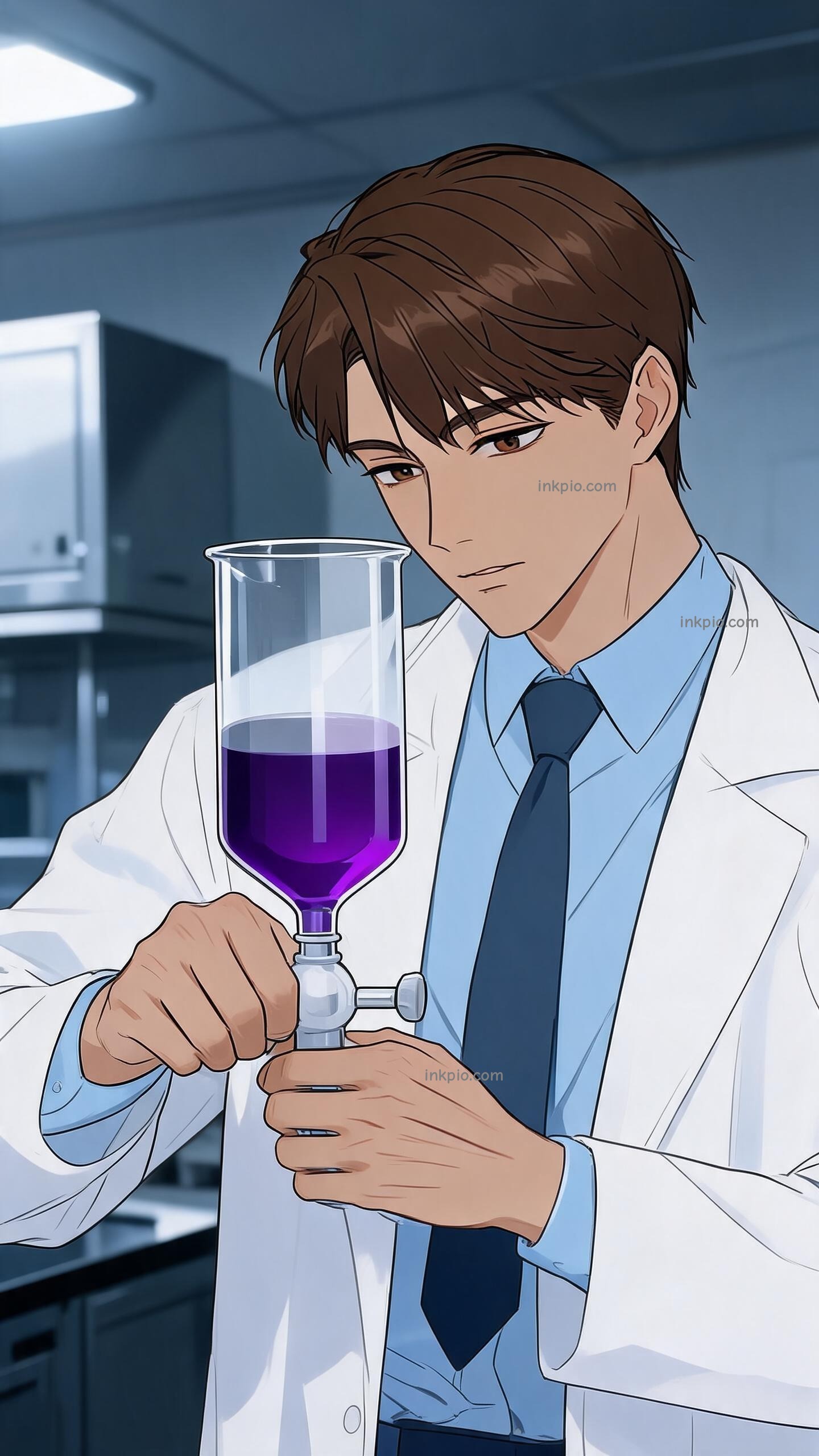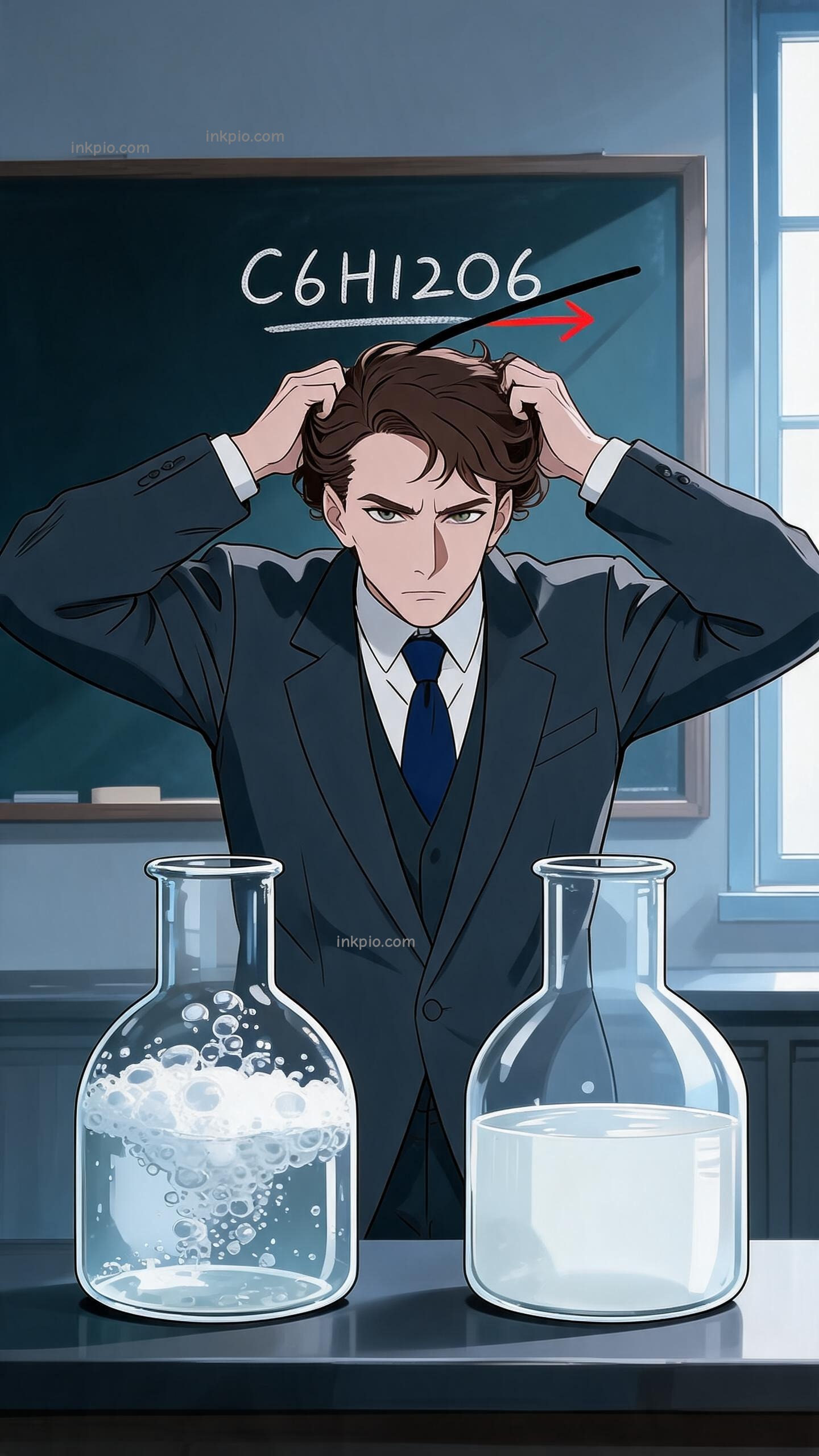
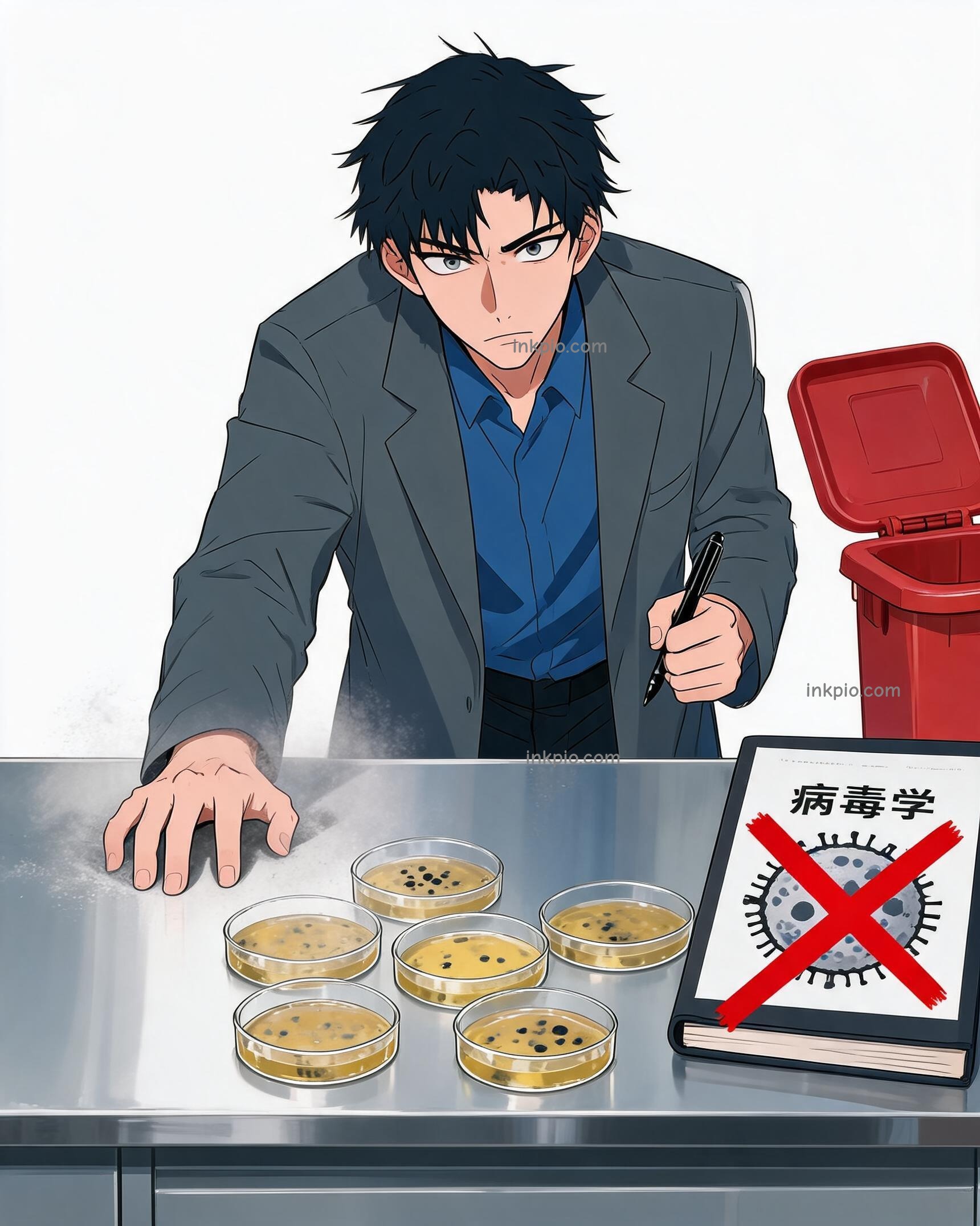

The petri dishes sat empty, mocking them. For years, Jian Zhou and Ian Frazer watched their cultures fail to thrive. HPV was a ghost in the machine, refusing to grow outside the human body. This biological stubbornness wasn't just an inconvenience; it was a death sentence for cervical cancer research. The old vaccine playbook—grow the virus, kill it, inject it—was useless against an enemy that wouldn't show up for battle. Every failed culture felt like a personal rejection, a silent accusation that they were chasing a phantom.
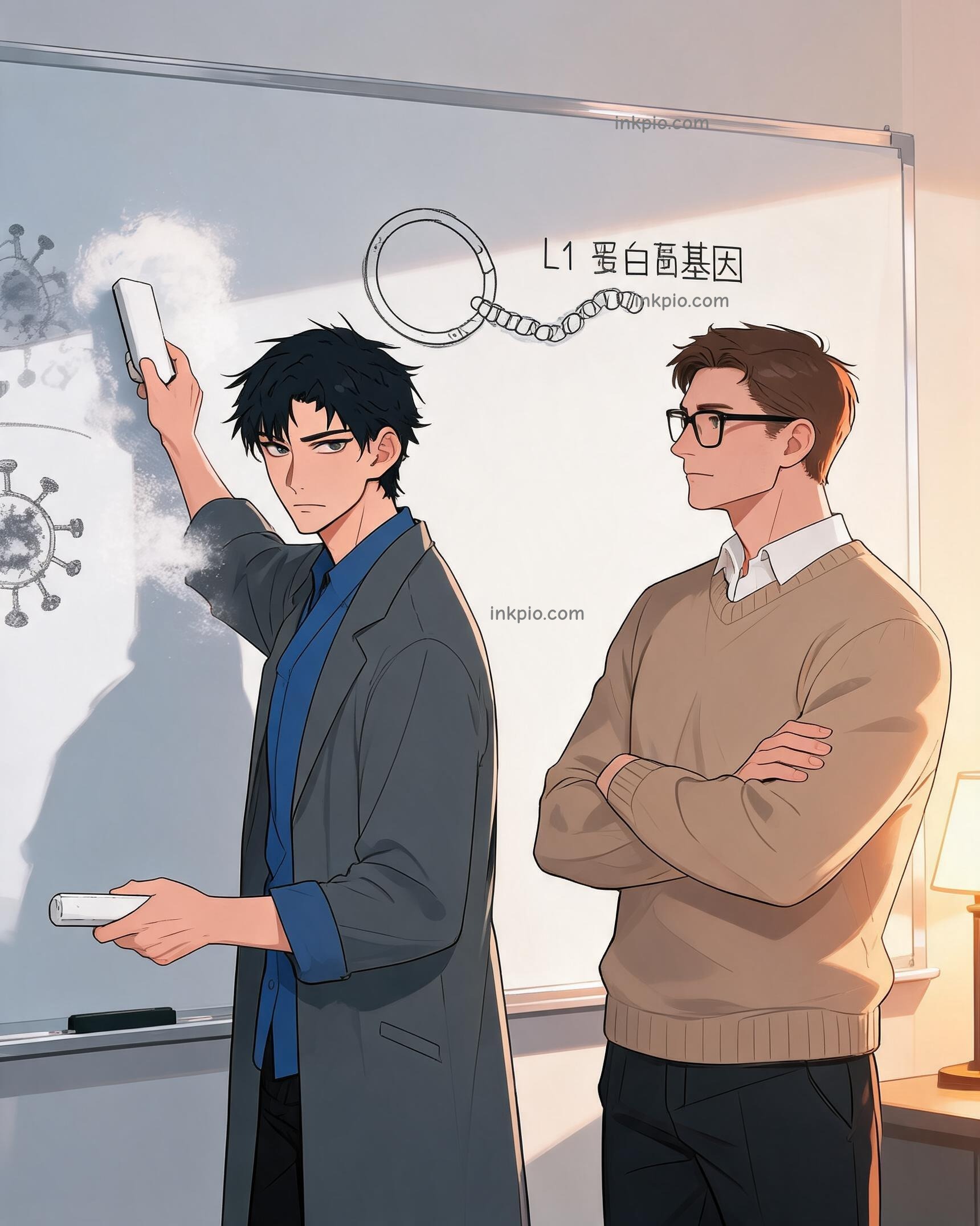
Zhou stopped looking at the whole virus. He started seeing it as a trap. If they couldn't grow the beast, maybe they didn't need to. He proposed a radical shift: stop trying to build the entire car. Just build the shell. It sounded like cheating, or perhaps madness. They would isolate the genetic blueprint for the L1 protein, the virus's outer coat, and discard the dangerous DNA core entirely. It was a gamble on biology’s tendency to mimic form without substance.
The process resembled crafting a hollow chocolate Easter bunny. You pour melted chocolate into a mold, let it set, and scrape out the center. Using recombinant DNA technology, they fed the L1 gene into living eukaryotic cells. These cells became tiny factories, reading the instructions and pumping out protein fragments. The tension in the lab was palpable. Would these fragments remain chaotic debris? Or would they find order?
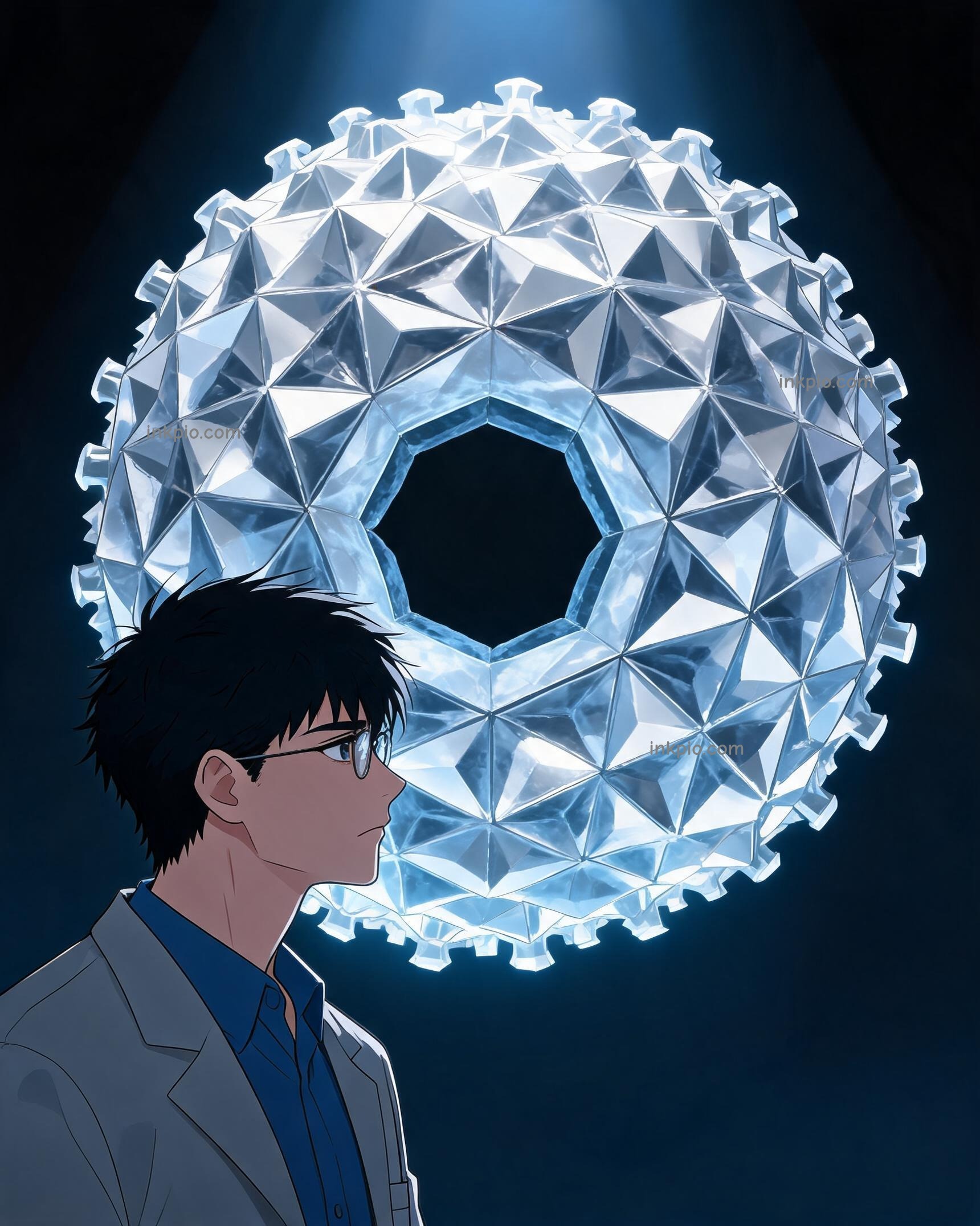
Nature surprised them. The protein pieces didn't just float aimlessly. They spontaneously self-assembled, locking together with geometric precision. Input was a single gene; output was a flawless physical structure. These weren't random clumps. They were perfect icosahedral shells, mirroring the virus's architecture but devoid of its soul. The team held their breath, waiting to see if the illusion held up under scrutiny.
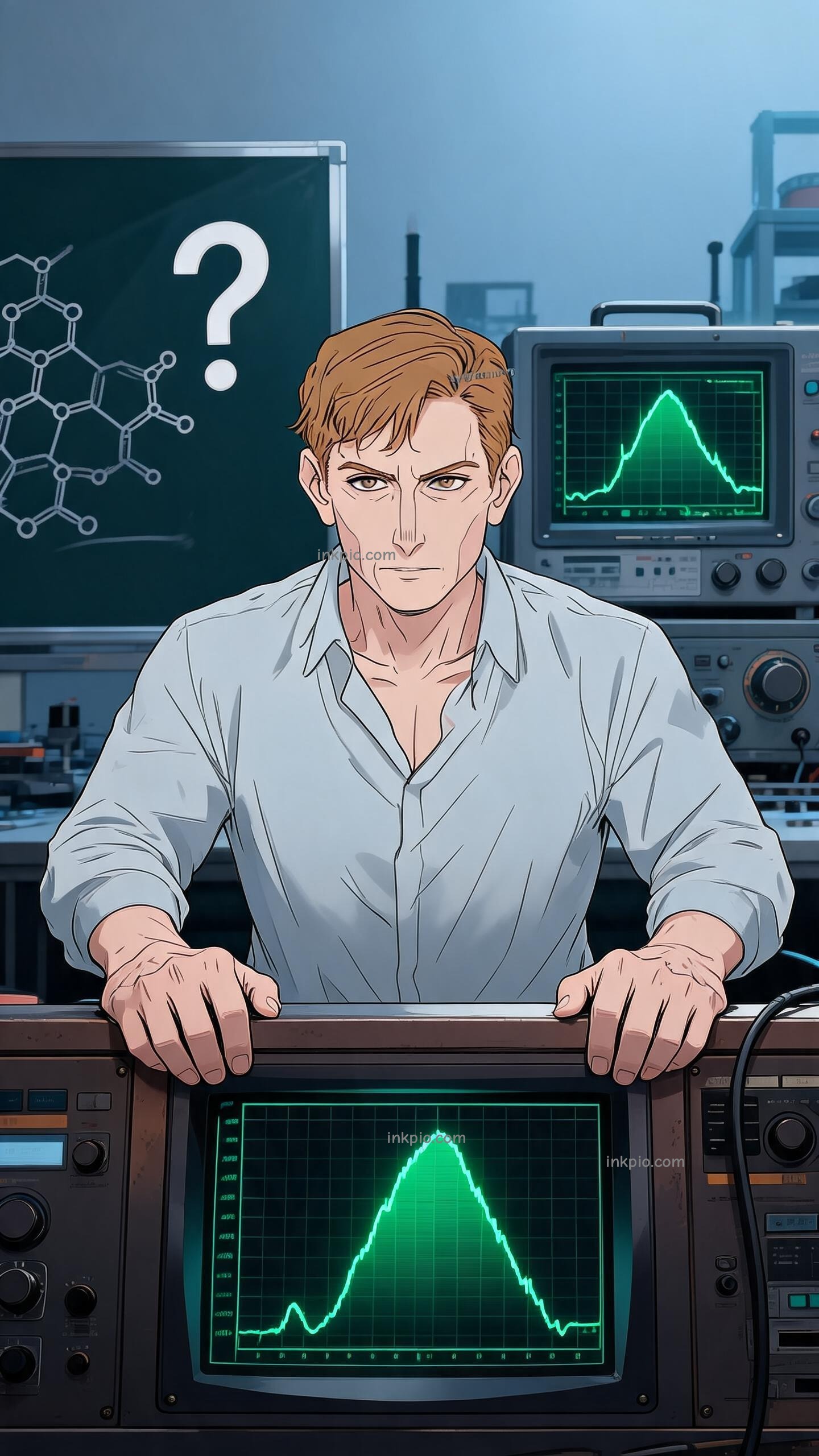
In 1991, at the University of Queensland, the moment of truth arrived. They placed the sample under the electron microscope. The monitor flickered, then stabilized. Perfect twenty-sided shells filled the screen. They looked identical to real HPV, down to the bumpy surface texture. But they were empty. No genetic material. No capacity to cause cancer. Just a ghost. Zhou leaned back, his eyes fixed on the glowing voids. The silence in the room was heavy, not with failure, but with awe.
Frazer watched Zhou’s face. He saw the exhaustion melt into something sharper. Recognition. These 'virus-like particles' (VLPs) retained the exact native conformation of the real thing. They were impostors, designed to trick the body without carrying the disease. The immune system would see this empty shell and panic. It would churn out a massive army of antibodies, preparing for a war against an enemy that wasn't there.
When the real virus eventually showed up, those antibodies would be waiting. They would tear it apart before it could infect a single cell. Zhou didn't cheer. He simply stared at the screen, tracing the outline of an empty shell that had just saved millions of lives. The ghost had become their greatest ally. The brick wall hadn't been broken; they had simply learned to walk through it by becoming invisible.