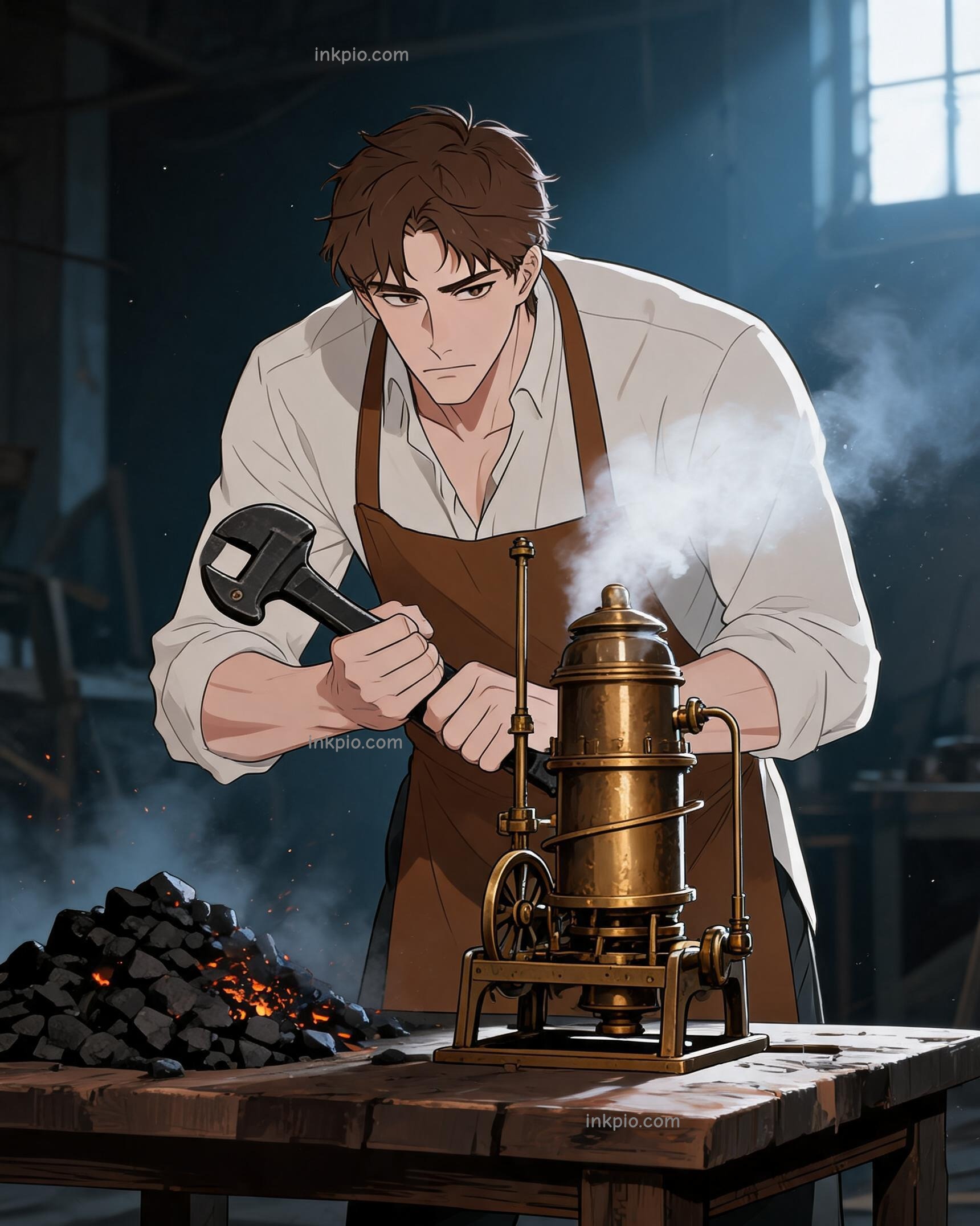
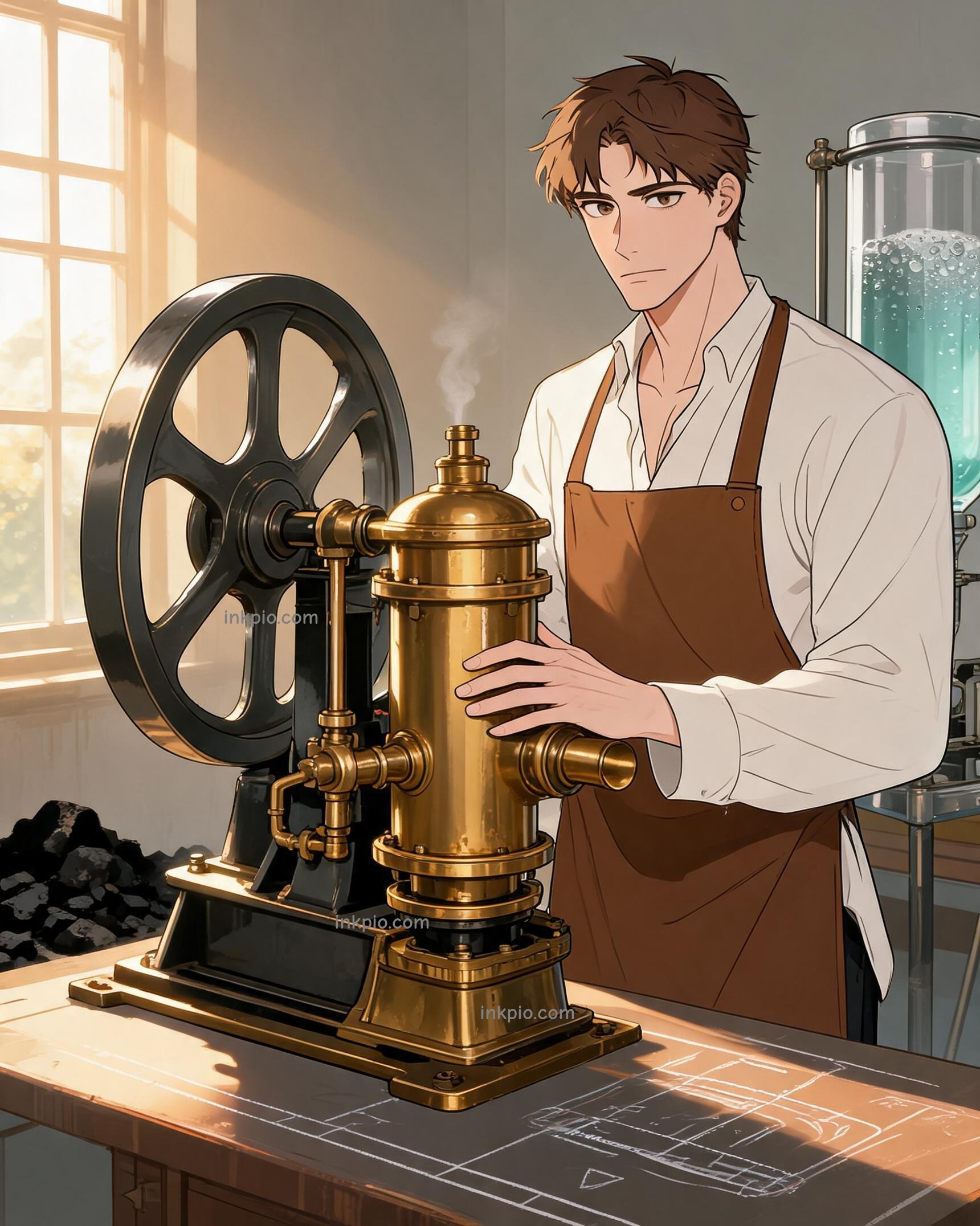

The brass engine on James Watt’s workbench was a hungry beast. It devoured coal with a greed that terrified him, not because of the cost, but because of the waste. In 1765, efficiency wasn't just a metric; it was a moral failing. Watt watched the steam hiss into the damp Glasgow air, vanishing like breath in winter. Each puff represented energy thrown away, a betrayal of the fire’s potential. The ash pile grew, a gray monument to his frustration.
The Newcomen model was clumsy. To make the piston drop, cold water flooded the cylinder, condensing the steam into a vacuum. But this act killed the heat. The iron walls, moments ago blazing hot, turned ice-cold. Then, fresh steam had to rush in, wasting its power just to reheat the metal box before doing any actual work. Seventy-five percent of the fuel’s energy vanished into this thermal seesaw. Watt touched the cooling metal. It felt like failure.
He couldn't fix it by tinkering. The problem was fundamental. The same space was being asked to be both oven and freezer, a contradiction in physics that no amount of polishing could resolve. The workshop felt suffocating. The rhythmic clanking of the machine sounded less like progress and more like a mockery. He needed air. He needed distance from the thing that refused to make sense.
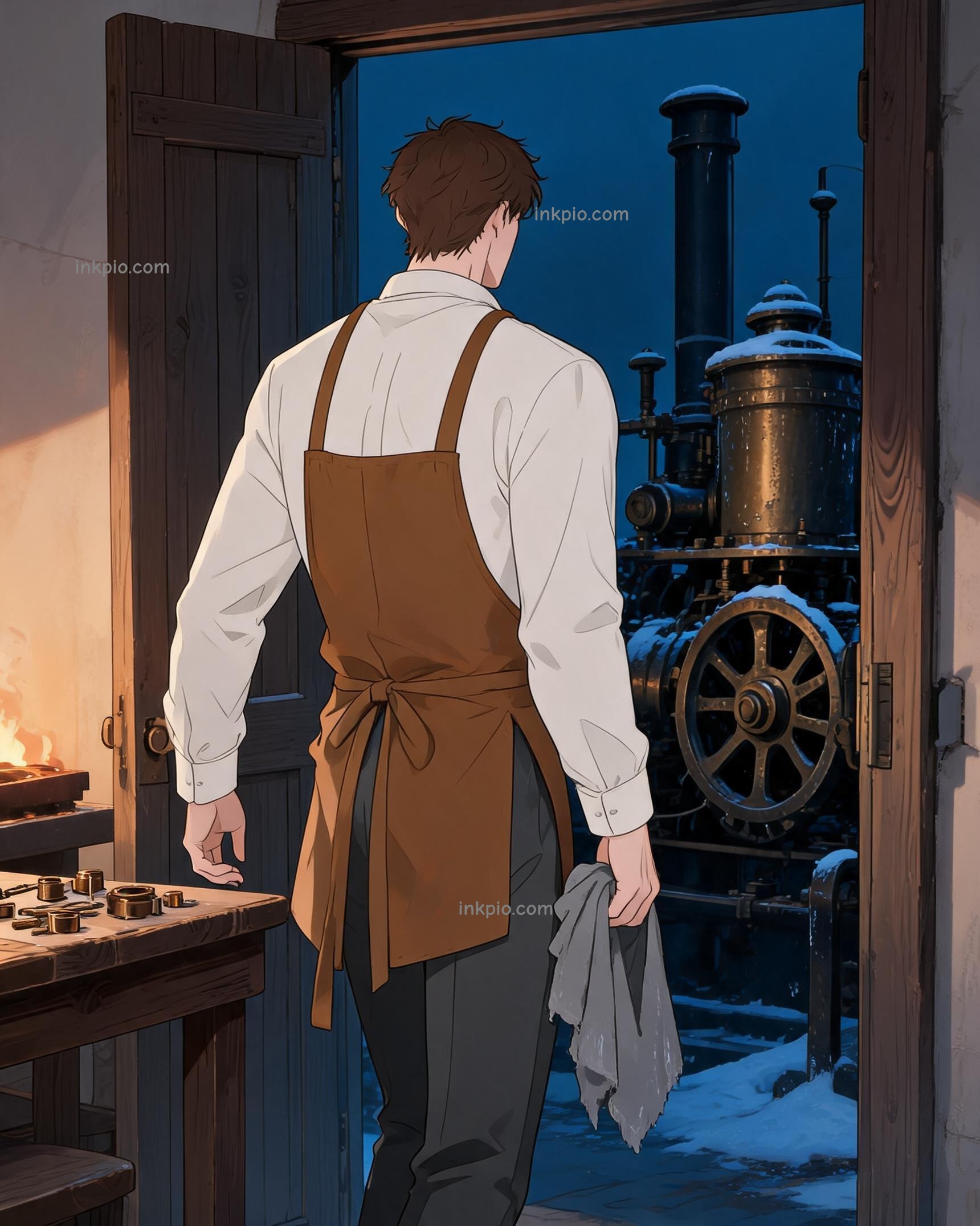
Watt pushed open the door and stepped onto the wet grass of Glasgow Green. The mist clung to his coat. He walked without direction, his mind still trapped in the cylinder’s cycle. Why force one chamber to endure such violent temperature swings? The question nagged at him, a splinter in his thoughts. He looked at the path ahead, the Golf-house visible in the distance, but he wasn't seeing the landscape. He was seeing pipes and valves.
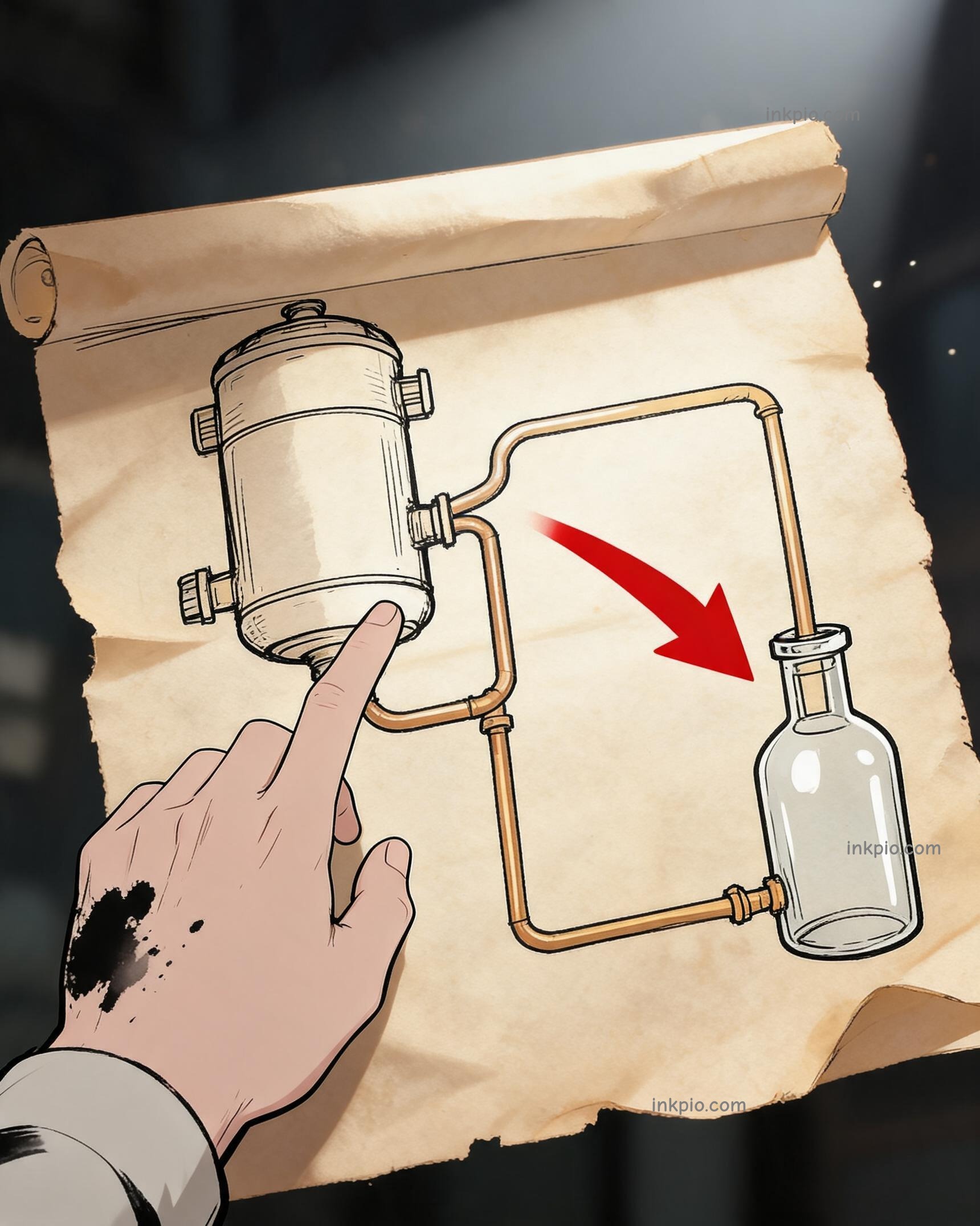
Then, the tension snapped. The answer didn't come as a gradual realization, but as a complete structure dropping into place. What if the condensation happened elsewhere? He pictured a second vessel, kept permanently cold, connected to the hot cylinder by a single valve. When the valve opened, steam would rush into the chilly side room, collapsing into water instantly. The vacuum would form, pulling the piston down, while the main cylinder remained hot, untouched by the cold shock.
He stopped walking. The world around him faded. In his mind, he traced the flow of steam, the opening of the valve, the silence of the separate condenser. It was elegant. It was simple. It solved the contradiction. Later, he would write that he had not walked further than the Golf-house when the whole thing was arranged in his mind. But in that moment, there was no writing, only the sudden, quiet certainty that the machine could be saved.
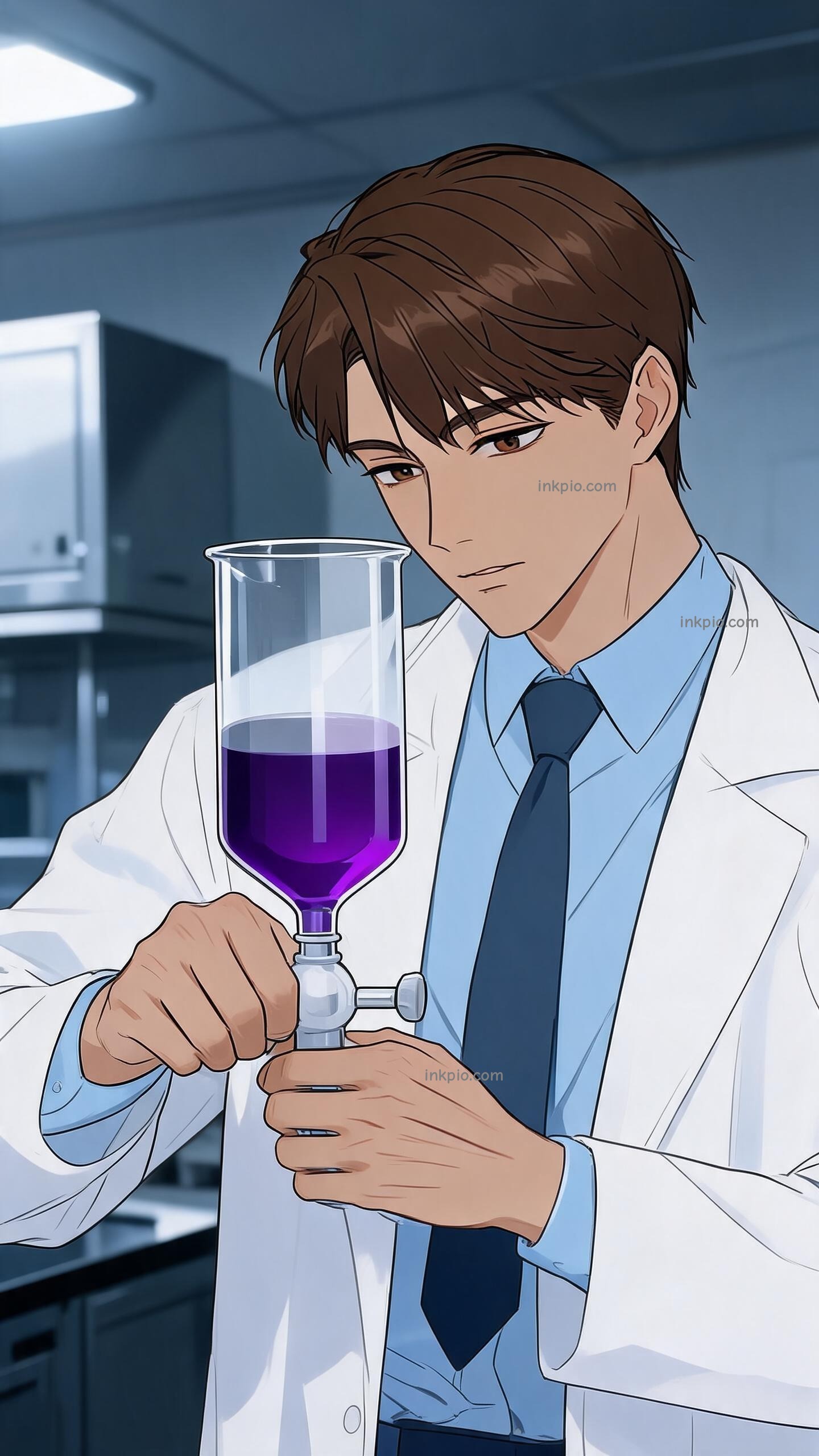
Back in the workshop, the air smelled of sulfur and anticipation. Watt dragged a chilled glass flask to the bench. His hands moved with a precision born of desperation. He connected the flask to the cylinder with a makeshift valve. This was the test. If it failed, he was just a man playing with toys. If it worked, he had changed the rules.
He stoked the fire. The flames licked the bottom of the boiler. Steam built up, pressure rising. He opened the valve. Instead of the usual violent shudder and cough, the machine exhaled smoothly. The steam rushed into the glass flask, fogging it instantly as it condensed. The piston dropped with a steady, powerful stroke. Then another. And another.
Watt placed his hand on the brass cylinder. It stayed warm. The heat wasn't being wasted on reheating cold iron; it was being used for work. The glass flask grew cloudy with every cycle, a visual testament to the separated process. The coal pile barely diminished, yet the engine worked three times faster. The noise changed too. The erratic banging was gone, replaced by a low, consistent hum.
He leaned against the workbench, exhausted but alert. The machine ran on, indifferent to his relief. It wasn't just a pump anymore. It was a heartbeat. Watt listened to the rhythm, the sound of latent heat finally being respected. Outside, the Glasgow rain continued to fall, but inside, the air felt different. Lighter. The impossible had become mechanical. He didn't cheer. He just watched the steam vanish into the glass, knowing nothing would ever be quite the same again.