

The sink drain waited like a hungry mouth. Stephanie Kwolek held the beaker over it, her arm trembling slightly from fatigue. It was 1965, and the lab air smelled of stale coffee and chemical solvents. Inside the glass, the liquid refused to behave. It wasn't the clear, obedient solution her supervisors expected for tire reinforcement. It was cloudy, milky, and swirling with an opalescent sheen that looked wrong.
For months, failure had been her constant companion. Every new polymer batch came out brittle, snapping under the slightest tension. Her notebook was a graveyard of crossed-out formulas, each one a promise broken by physics. The steel cords she aimed to replace were heavy, rusting, and stubbornly reliable. They mocked her lightweight ambitions. DuPont needed a miracle for radial tires, but Stephanie only had a series of expensive mistakes. The pressure to deliver was a physical weight on her shoulders, heavier than the steel she tried to defeat.
She tilted the beaker. The cloudy mixture sloshed against the glass, threatening to spill. Logic dictated she pour it out. It was a failed experiment, a waste of time and resources. In the rigid hierarchy of industrial chemistry, anomalies were errors to be corrected, not mysteries to be explored. She had spent enough days chasing ghosts in the molecular structure. Her colleagues moved around her, focused on their own clear, successful solutions. No one was watching. No one would know if this particular failure disappeared down the drain.
But her hand stopped. A stubborn itch of curiosity pricked at the back of her mind. It wasn't just hope; it was a refusal to accept that the universe had nothing left to show her. "I was going to throw it away," she muttered to the empty room, her voice rough from disuse. "But I decided to spin it anyway." It was a small rebellion against efficiency. She cleaned the spinneret, her movements precise despite the exhaustion clouding her thoughts. If this failed, she would quit. If it worked, she wouldn't know why.
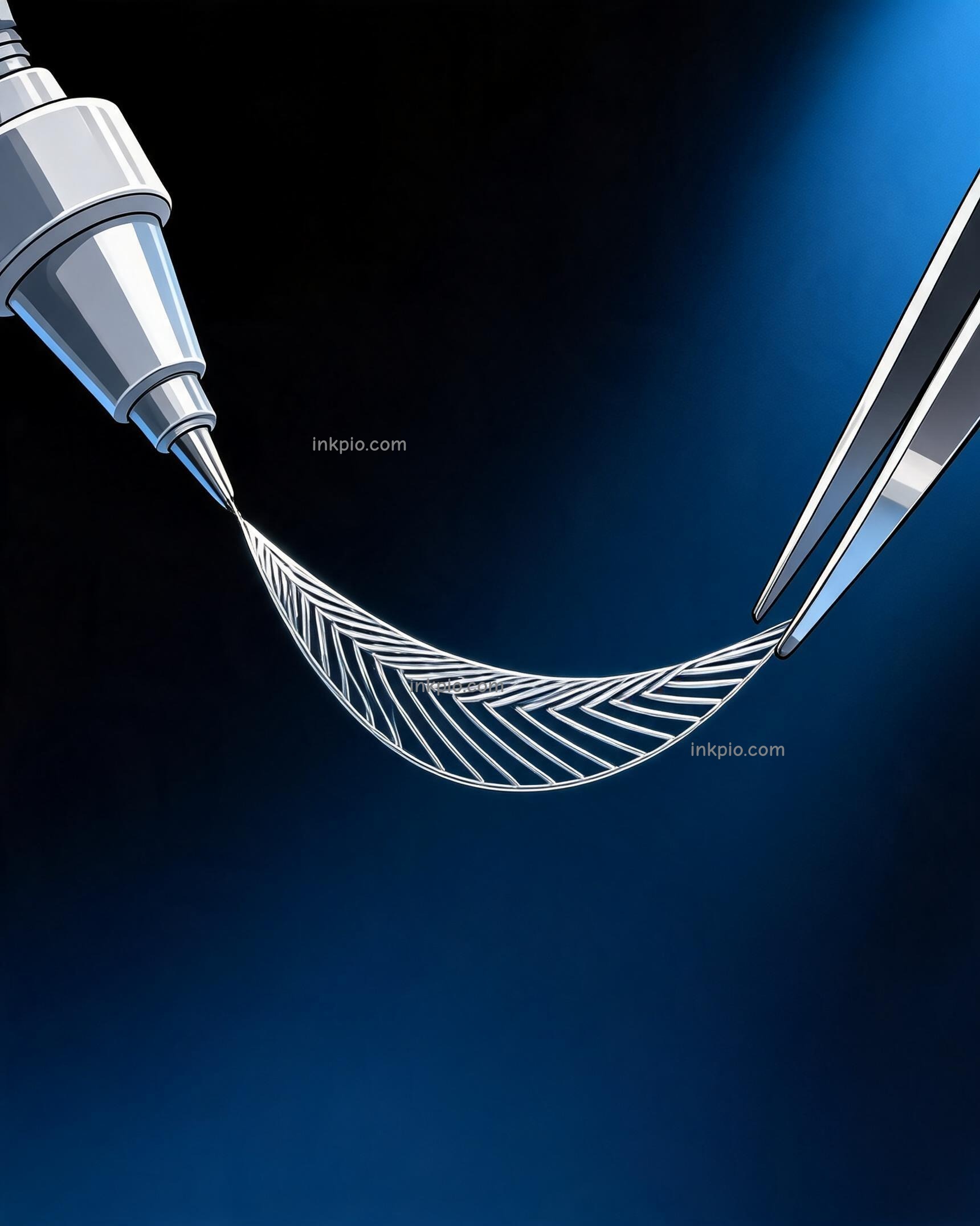
The pump hummed to life, pushing the poly-p-phenylene terephthalamide soup through the microscopic nozzle. Inside the narrow channel, something extraordinary happened. The rigid molecules, previously floating in chaotic disorder, were forced into alignment. Like logs caught in a narrowing river, they turned parallel to the flow. The shear stress of extrusion locked them into a single, continuous direction. This was no longer a tangled mess of weak links. It was a structured army of molecules, marching in perfect step.
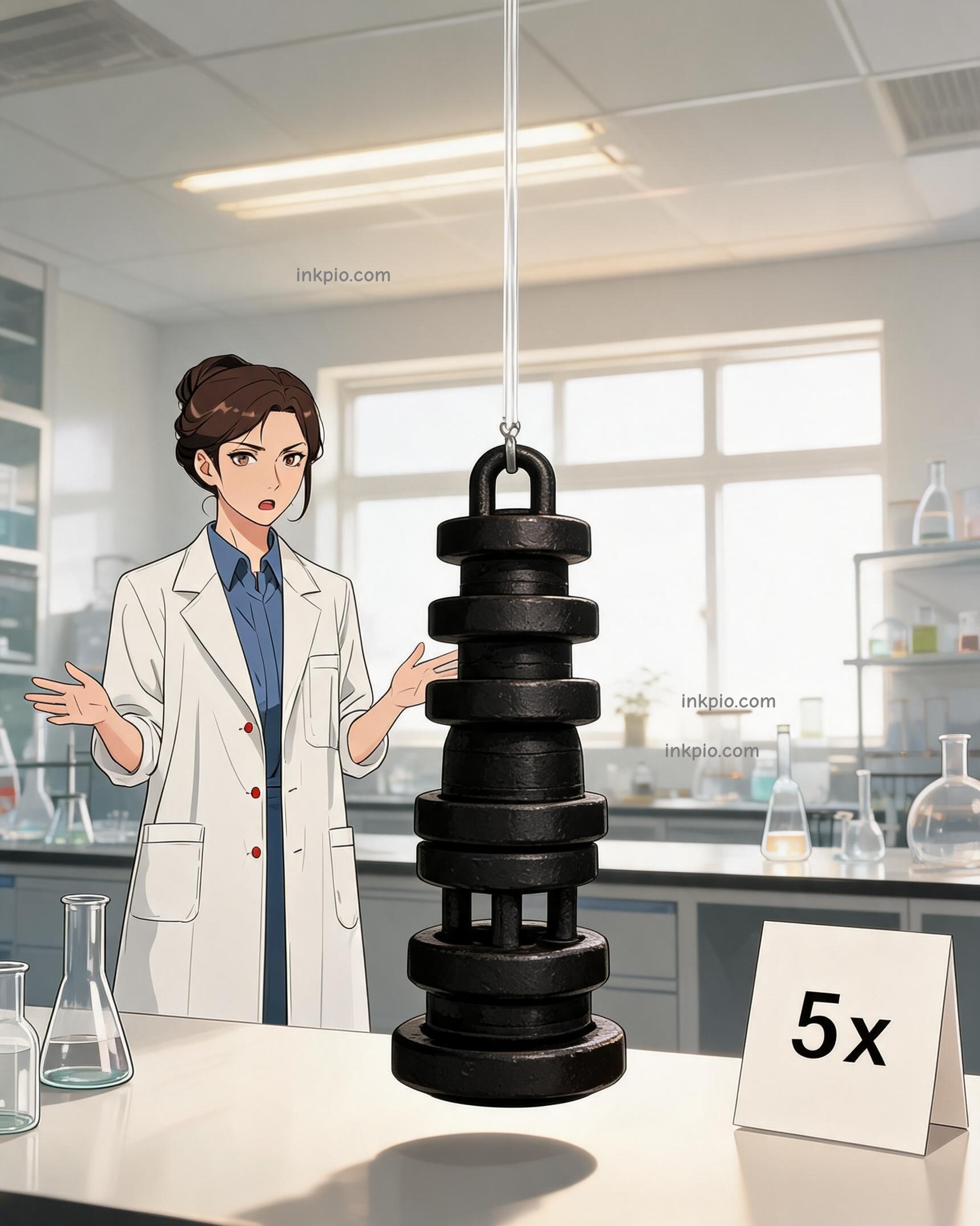
A thread emerged. It was impossibly thin, shimmering with a strange, metallic luster. It looked fragile, like spider silk spun by a ghost. Stephanie clipped it into the stress tester, her breath held tight in her chest. She began adding iron weights, one by one. The machine groaned under the load. Usually, the thread would snap here, revealing the brittleness that had plagued her for months. But the fiber held. The weights climbed past the breaking point of standard nylon. Past the strength of regular steel.
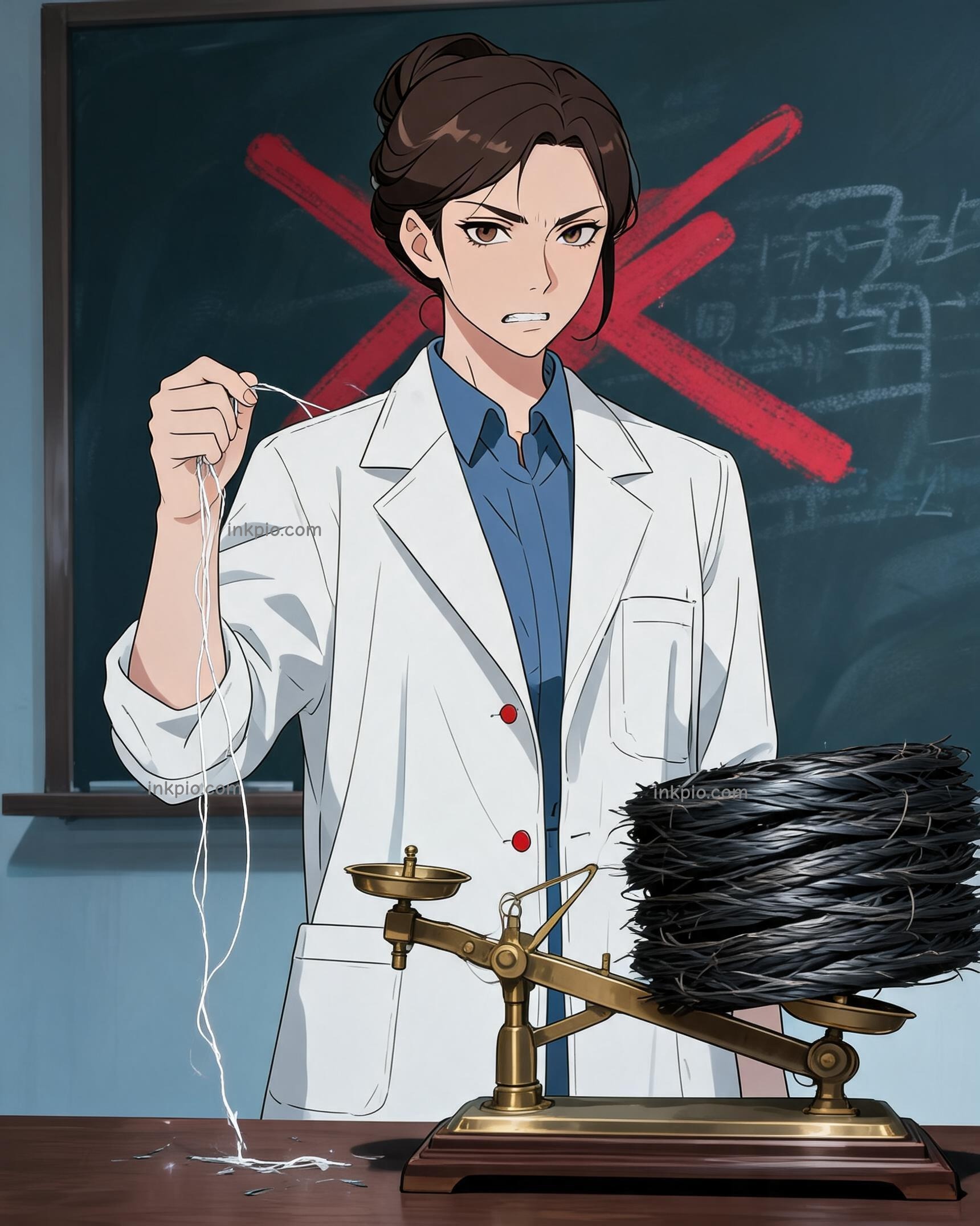
The readout climbed to 3.6 gigapascals. The hair-thin strand supported five times the load of a steel wire of the same diameter. Silence filled the lab, broken only by the creak of the testing rig. The heavy iron weights hung suspended, defying gravity and expectation. Stephanie stepped back, her hands shaking not from fatigue, but from the sudden, terrifying realization of what she held. The cloudy mistake hadn't just survived. It had rewritten the rules of matter. She stared at the shimmering thread, knowing that nothing in her world would ever look quite the same again.