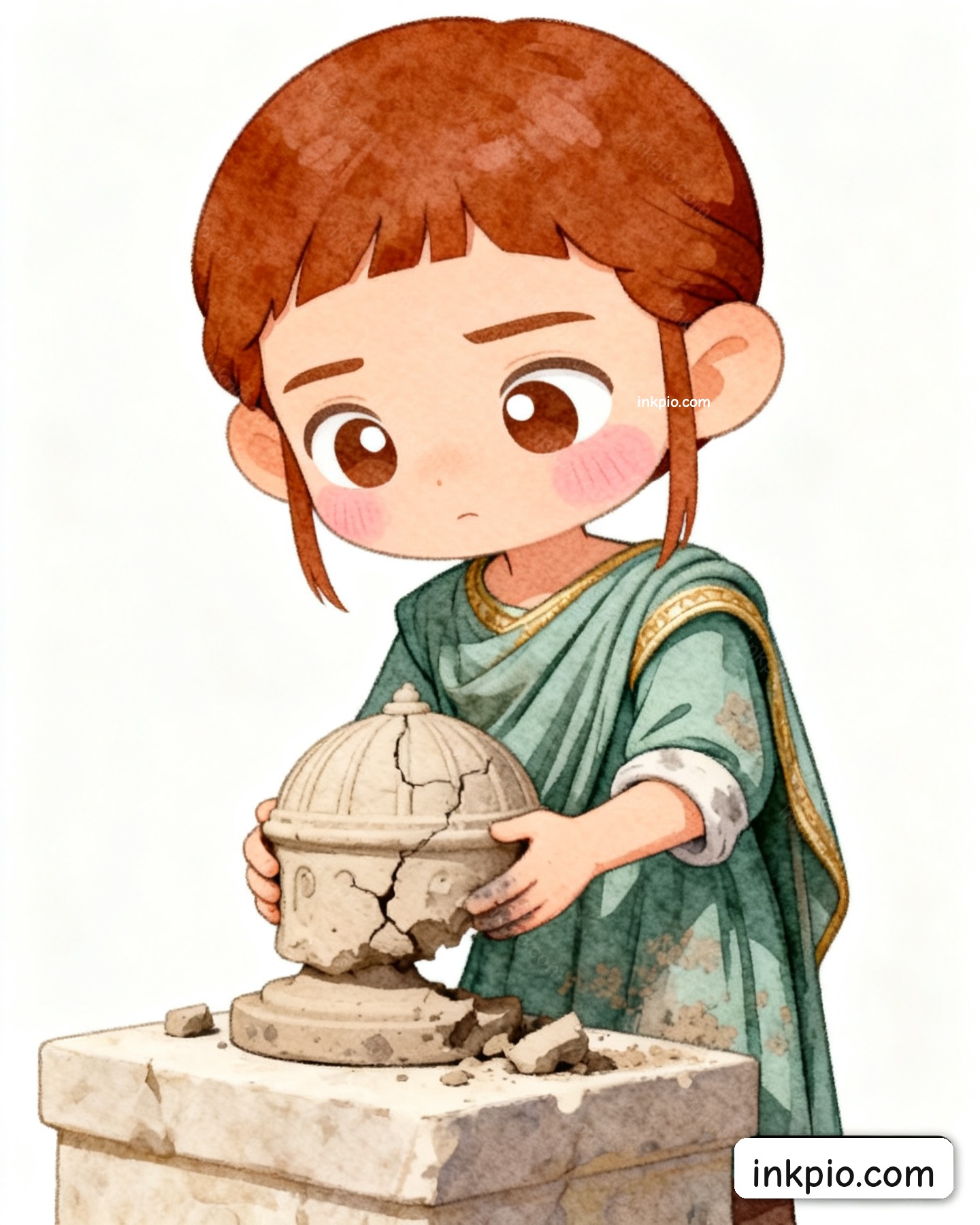
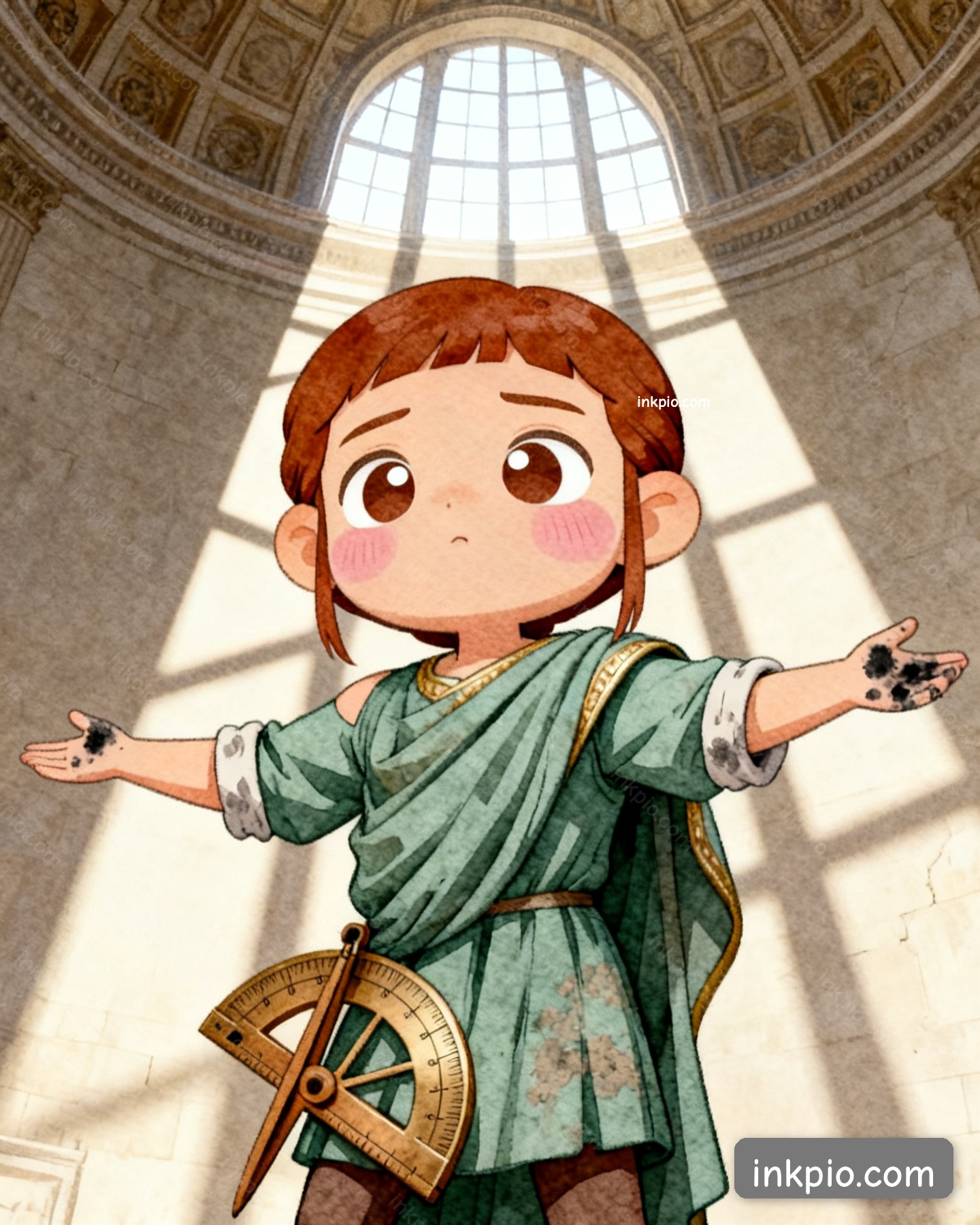

The emperor demanded a floating roof. Gravity handed back a pile of cracked clay. In 532, Justinian I commissioned Anthemius and Isidore to build Hagia Sophia, but the bricks kept pushing sideways. You cannot negotiate with weight, and the wooden scaffolding groaned every time the foreman asked for a wider curve.
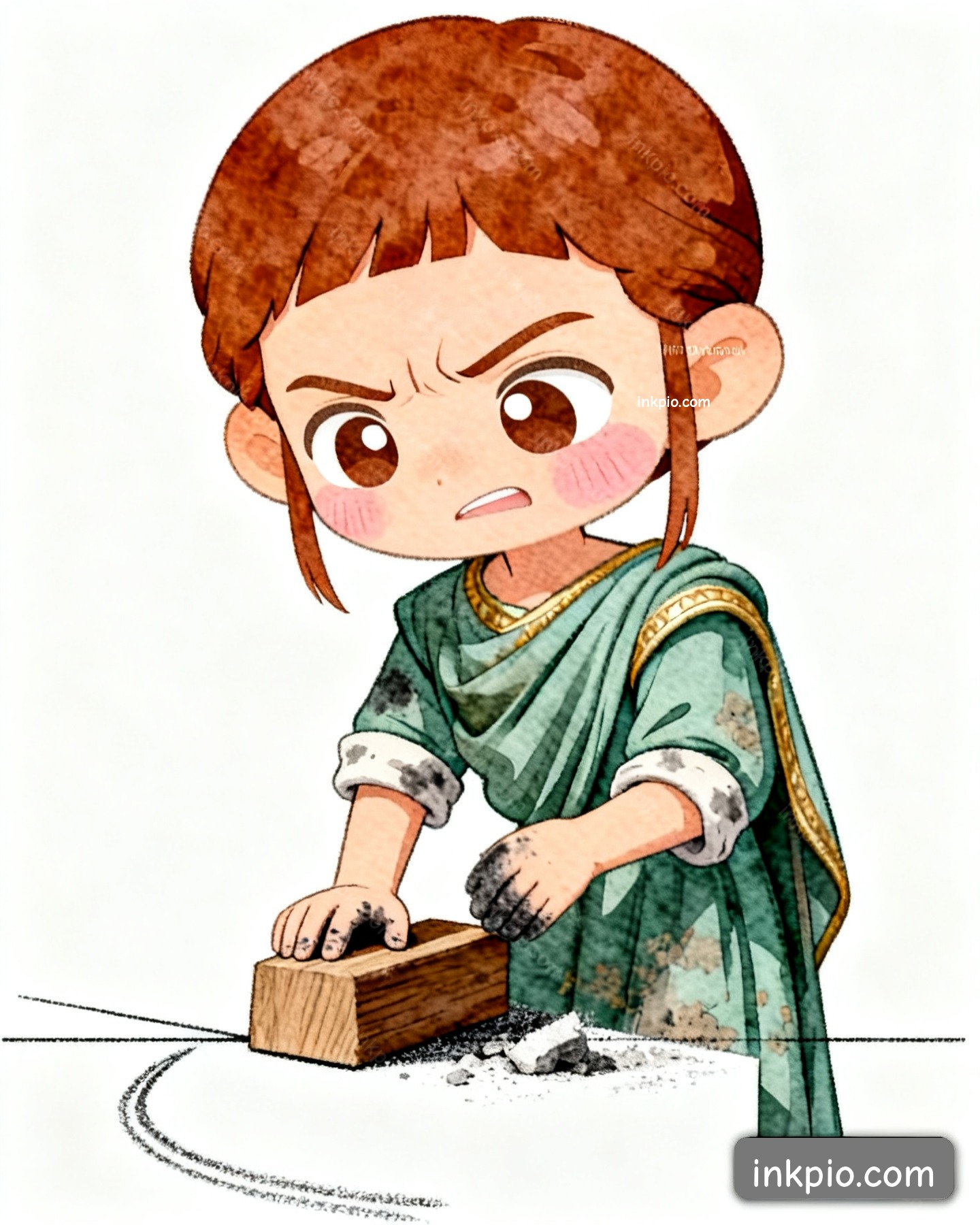
The real trouble lived right where the round ceiling met the square base. A heavy dome naturally shoves outward at its edges, trying to split the supporting walls apart. Square foundations simply do not handle that sideways shove well. Every new ring of brick made the chalk lines on the floor bulge toward the edges. The court expected divine suspension, but raw mass only cared about finding the shortest path to the ground.
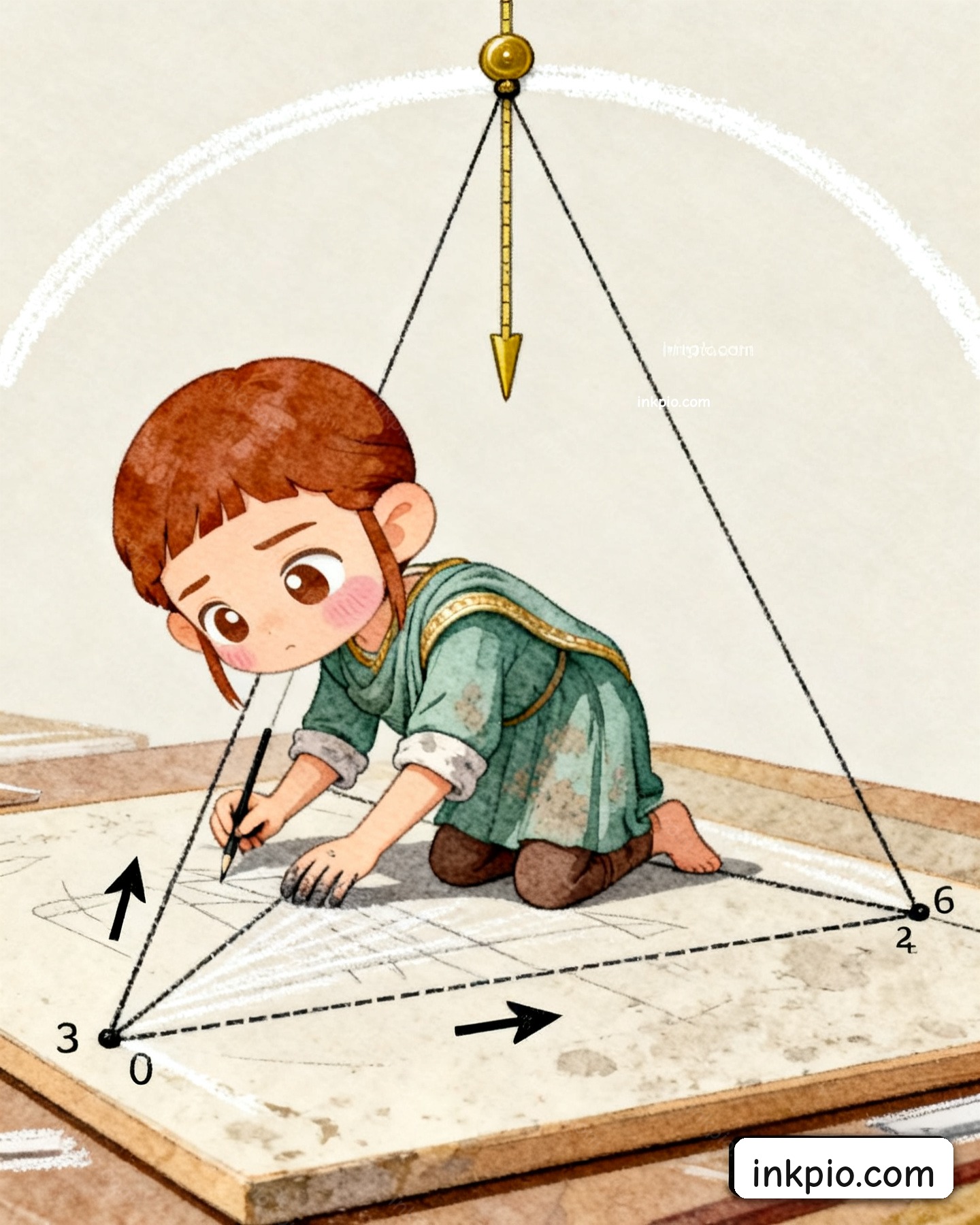
Anthemius tossed the court sketches aside and knelt on the limestone. He tied a length of rough hemp to a lump of chalk and swept two overlapping arcs across the square floor, linking the center to each corner. Picture a square cloth pulled taut by four hands. When you lift the middle, the fabric forms smooth, curved folds that funnel all the tension straight to your fingers. He ran a tight string along those chalk folds and hung a heavy brass plumb bob at the exact intersection. The bob pulled the string dead straight. He finally mapped the route for the pendentive geometry. The sideways pressure would just slide down those curved seams and drop straight into the four massive corner piers.
The foreman handed him a thicker rope, and Anthemius pulled it tight to define the shape. The curved triangle locked the invisible forces into place instantly. The thirty-one-meter dome relied on pendentive geometry to channel the dead weight downward like water finding a steep drain. Justinian wanted angels holding the bricks, but physics just needed a clear lane. Gravity never drew a royal salary and certainly ignored imperial proclamations. It only followed the steepest line you gave it.
The scaffolding came down years later and left behind perfectly straight walls. Sunlight cut through the high windows, casting sharp shadows across the uncracked masonry. Visitors looked up and noted how the space seemed less like it rested on stone and more like a golden canopy dropped straight from the sky. Anthemius just wiped his hands and set his wooden compass back in its box. The math worked because numbers refuse to play favorites. The roof stayed aloft for the exact same reason it always does. The load simply went where they pointed it.